The U.S. and Venezuela’s interim government signed a 100‑year oil concession that covers 17 fields and roughly 65 billion barrels, or about one‑fifth of Venezuela’s proven reserves.
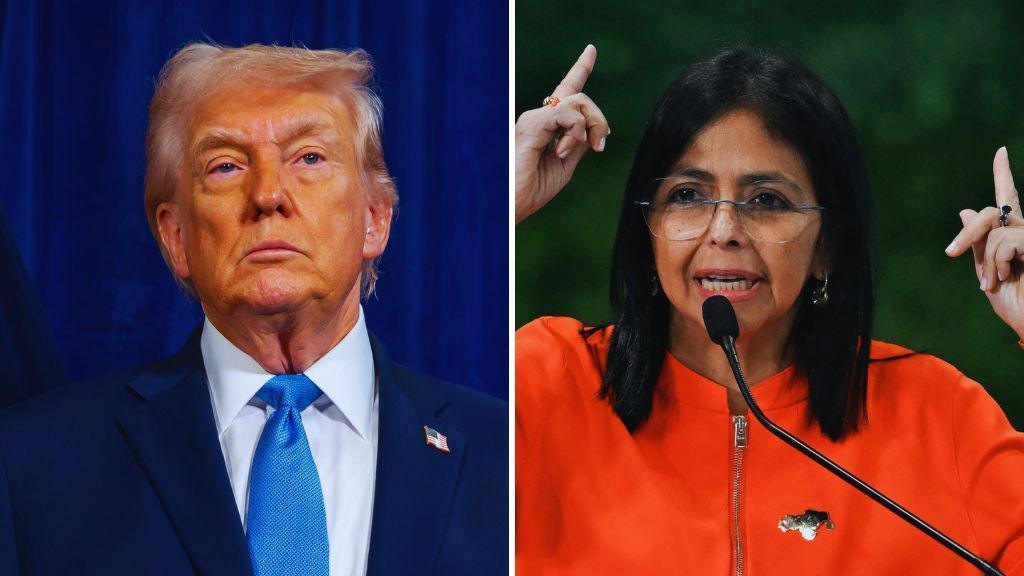
U.S. officials say the pact will curb dependence on Middle‑East oil, bring $100 billion in capital and create a new source of tax revenue for Caracas. President Donald Trump called the agreement “the biggest oil deal in world history”; interim president Delcy Rodríguez described it as a historic turning point.
Critics, however, see the deal as a step toward neo‑colonialism. Former U.S. officials and Venezuelan opposition leaders argue that the agreement hands control of national assets to an American‑led company, undermining autonomy. They point to the clause that gives the U.S. government veto power over board appointments and requires a majority of board members to be U.S. nationals.
Amid the turmoil, Venezuelan opposition figures accuse Delcy Rodríguez of aligning with former President Maduro’s regime. They question whether the deal will translate into democratic gains and call for a restoration of constitutional order before any resource contracts.
Economic experts warn that the feasibility of the 2‑to‑3‑year profit timeline is doubtful; the oil sector’s fragmented state may require a decade to recover production levels seen 30 years ago. The U.S. claims the agreement re‑establishes the Monroe Doctrine, a 19th‑century principle asserting American dominance in the Western Hemisphere.
Venezuelan socialists see the pact both as a potential lifeline for a struggling economy and as capitulation. While some argue it brings necessary investment, others fear a new era of foreign control. The debate underscores the complex interplay of global energy markets, national sovereignty and political power in the Gulf‑South‑America nexus.