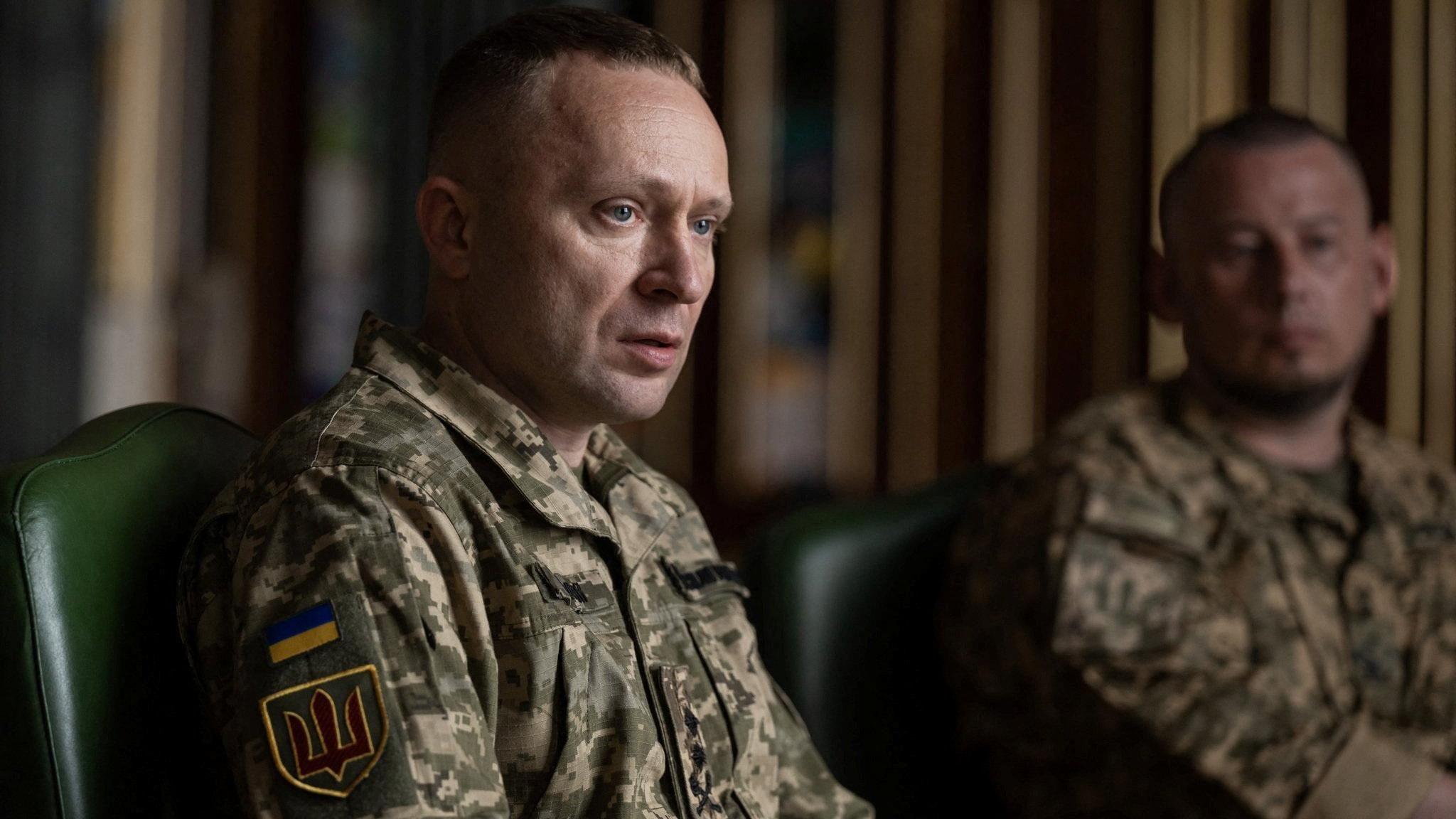
Ukraine Names Maj‑General Mykhailo Drapatyi as New Commander‑in‑Chief
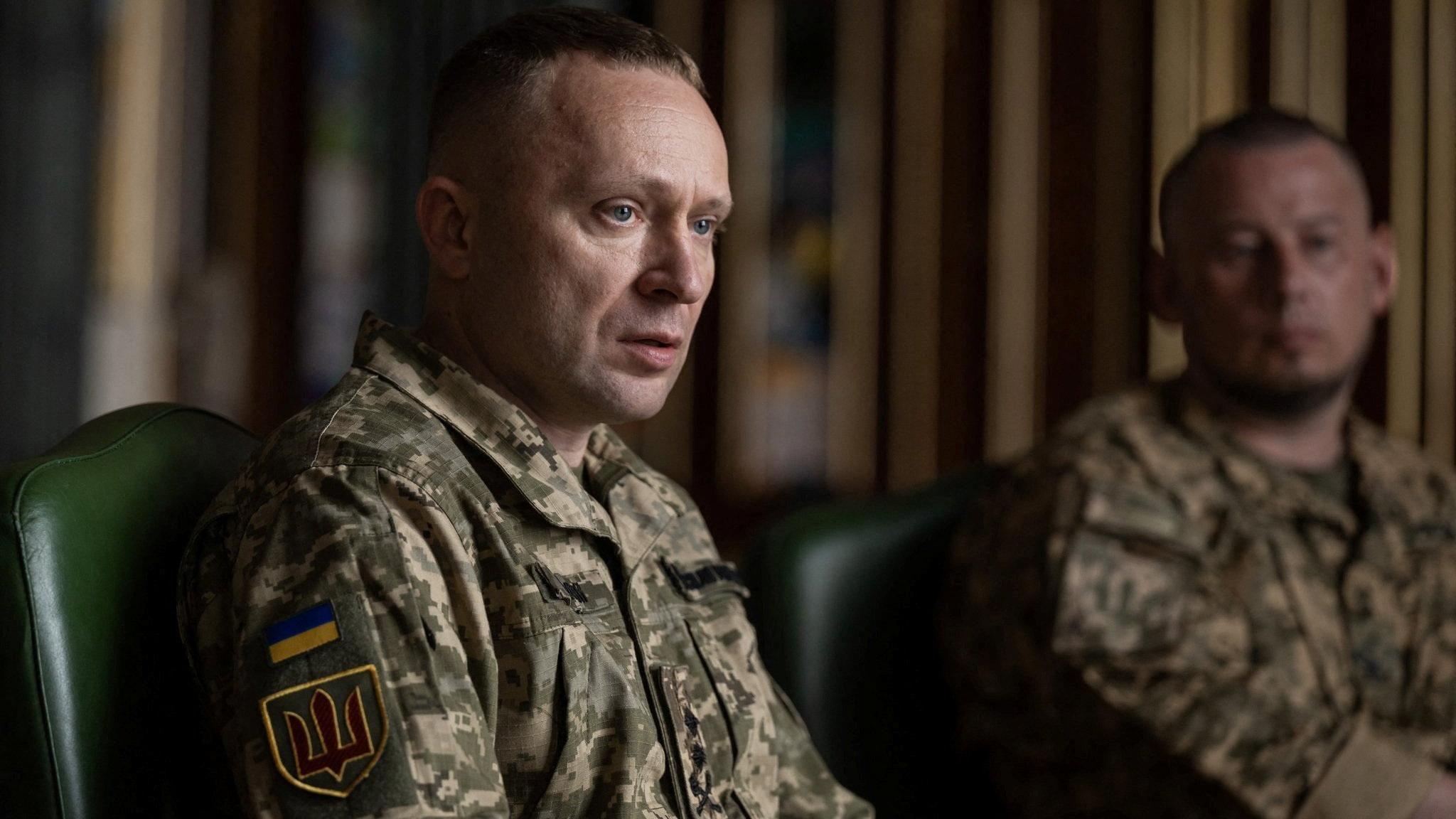
Maj‑General Mykhailo Drapatyi, 43, has replaced Oleksandr Syrskyi as Ukraine's commander‑in‑chief – the third since the start of Russia's full‑scale invasion in 2022. The move was welcomed by both civil society and the military. Drapatyi’s name was chanted during protests that began by supporting his friend, former defence minister Mykhailo Fedorov, and ended demanding Syrskyi's dismissal.
One Ukrainian soldier remarked, "There's no better person for this position nowadays in Ukraine." Drapatyi’s support stems from extensive military experience in post‑Soviet Ukraine, proven skill as a field general, and a reputation for being humane yet decisive.
He graduated from the Kharkiv Institute of Tank Troops in 2004 and rose through the ranks, earning prominence in 2014 when footage of him smashing through a barricade on an infantry fighting vehicle went viral.
That same year, his battalion entered Mariupol in the south to free hostages held by pro‑Russian separatists, earning him further recognition.
By 2021, Drapatyi attended further operational and strategic training, receiving the sword of honour as top graduate from the British ambassador. When Russia launched its full‑scale attack in February 2022, he was deputy commander of joint forces.
He led temporary task forces, pushing back Russian advances toward Kryvyi Rih and liberating settlements in Kherson and Dnipropetrovsk. In 2024 he commanded land troops and faced a Russian missile strike on a training ground that killed 12 soldiers and wounded 60, prompting him to resign that day and accept responsibility for the loss.
His resignation highlighted personal accountability, and Zelensky subsequently appointed him commander of the Joint Forces, a decision widely praised.
Rumours of tension with Syrskyi grew louder. Analysts note Drapatyi’s youth and experience in difficult zones but caution that his ambitions might extend beyond ground forces and the Joint Forces.
With Syrskyi now gone, expectations for Drapatyi are high. An analyst from Come Back Alive said he has a strong reputation among rank and file but will operate under constraints governed by the president, Western partners, and the political hierarchy.
War prospects remain slim and Ukraine faces another harsh winter of conflict. Mobilising manpower and tackling pervasive corruption will be central to Drapatyi’s strategy, alongside cultivating Ukraine’s tech‑driven defence industry.
In his first message as commander‑in‑chief, Drapatyi acknowledged the difficulty of his task and promised to act responsibly and with respect for those on the front line.
The change comes after Syrskyi’s approach was seen as "outdated," prioritising heavy offensives over human life. Analysts warn that expectations for swift, sweeping improvements can be unrealistic, emphasizing the need for gradual reforms.
Former interior ministry adviser Oleksiy Kopytko noted the challenges: a commander may be celebrated today, loved tomorrow, and guilty a day after. Valery Zaluzhnyi predicted Drapatyi would have a very difficult time, far more so than imagined.
Nevertheless, many soldiers and ordinary Ukrainians are excited about Drapatyi’s outlook. Some say that if Mykhailo Fedorov returned as defence minister, with Drapatyi at the top, it would be "Russia's worst nightmare."
When he resigned in 2025, Drapatyi highlighted issues such as combat training reform, unfair mobilisation, corruption, and flawed procurement. He said efforts needed to intensify despite anticipated resistance.
Additional material by BBC Monitoring