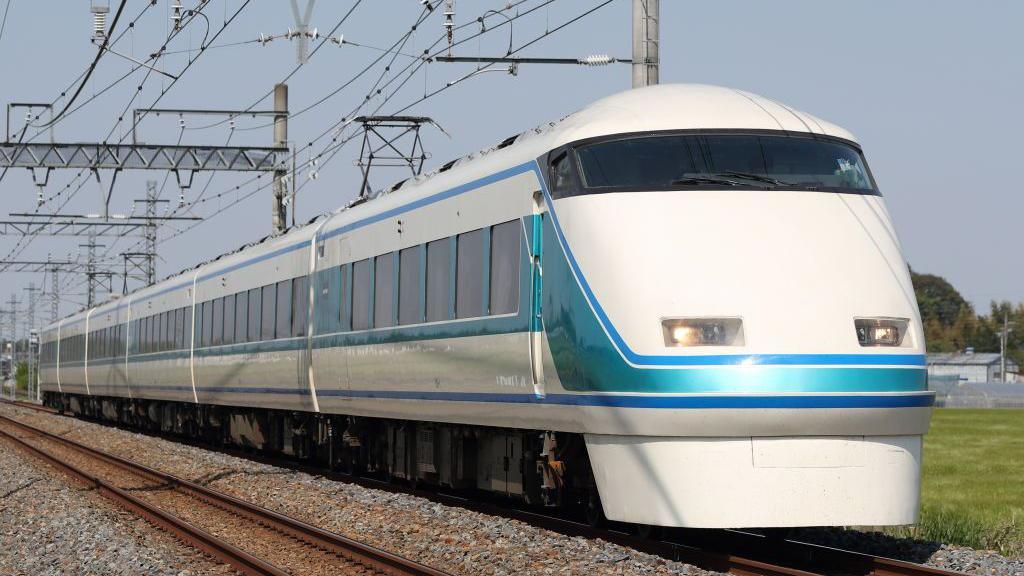
Four workers that were trimming weeds from the track at Shin‑Kanuma Station north of Tokyo were struck by a limited express train during an emergency stop at 10:46 local time (01:46 GMT) on Thursday, authorities confirmed.
When emergency services arrived, three workers were found trapped beneath the train and a fourth was seriously injured on the platform. All four died following the incident.
The train, operated by the Tobu Railway, was a limited express—the second‑fastest type of train in Japan after the Shinkansen. The service has been suspended on the Tobu Nikko Line following the crash.
Japanese broadcaster NHK reported that a passenger on the train heard a “strange noise” prior to the emergency stop and that staff were investigating the source of the noise while passengers were temporarily stranded.
Normally, a railway employee is stationed near the track to warn workers of approaching trains. Whether such an employee was present when the accident occurred remains unclear, according to the Asahi Shimbun.
Rail accidents that are fatal are uncommon in Japan, a country that operates a vast, well‑maintained network. However, this tragedy highlights the ongoing risk to track workers and has reignited discussions on safety protocols, not only in Japan but worldwide, where train track workers often operate close to moving freight and passenger services.
Comparative analysis shows that countries like Germany and the United States have implemented rigorous alert systems such as automated track‑alarming devices and automated barrier gates, which may reduce the likelihood of such accidents. Japan’s continued investment in a multimillion‑dollar modernization program includes newer safety technologies such as RFID‑based worker identification and real‑time train location monitoring. The integration of these systems can be expected to reduce the incidence of similar collisions.