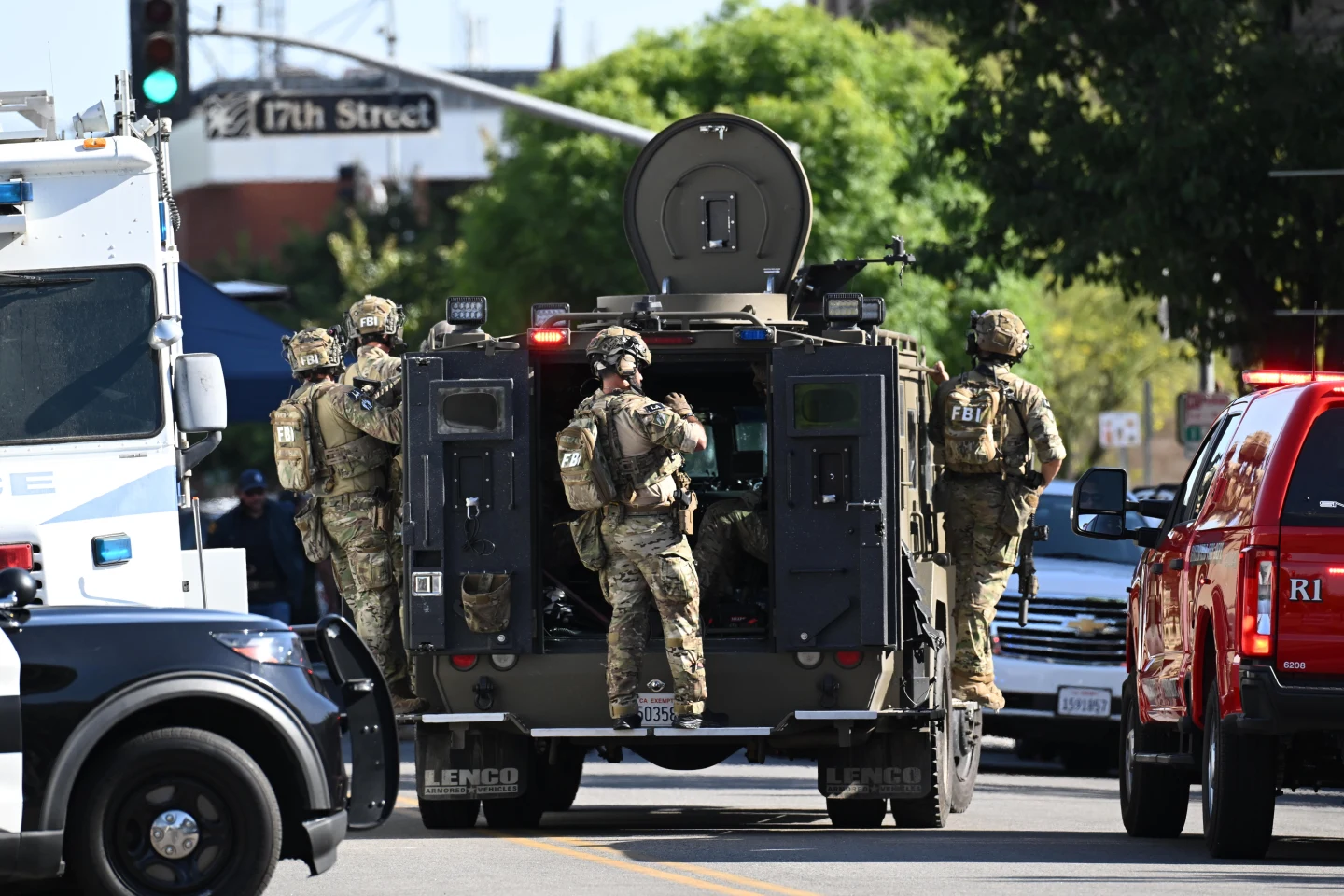
ATLANTA (AP) — Georgia could become the first state to mandate daily checks for weapons in public schools. A new bill is progressing through the legislature, following a tragic school shooting in 2024 that claimed four lives.
“That rifle would have never reached our hallways,” said Daria Lezczynska, a junior at Apalachee High School, the location of the shooting. “Lives would have been saved. Families would not be grieving, and students like me would not be carrying this trauma.”
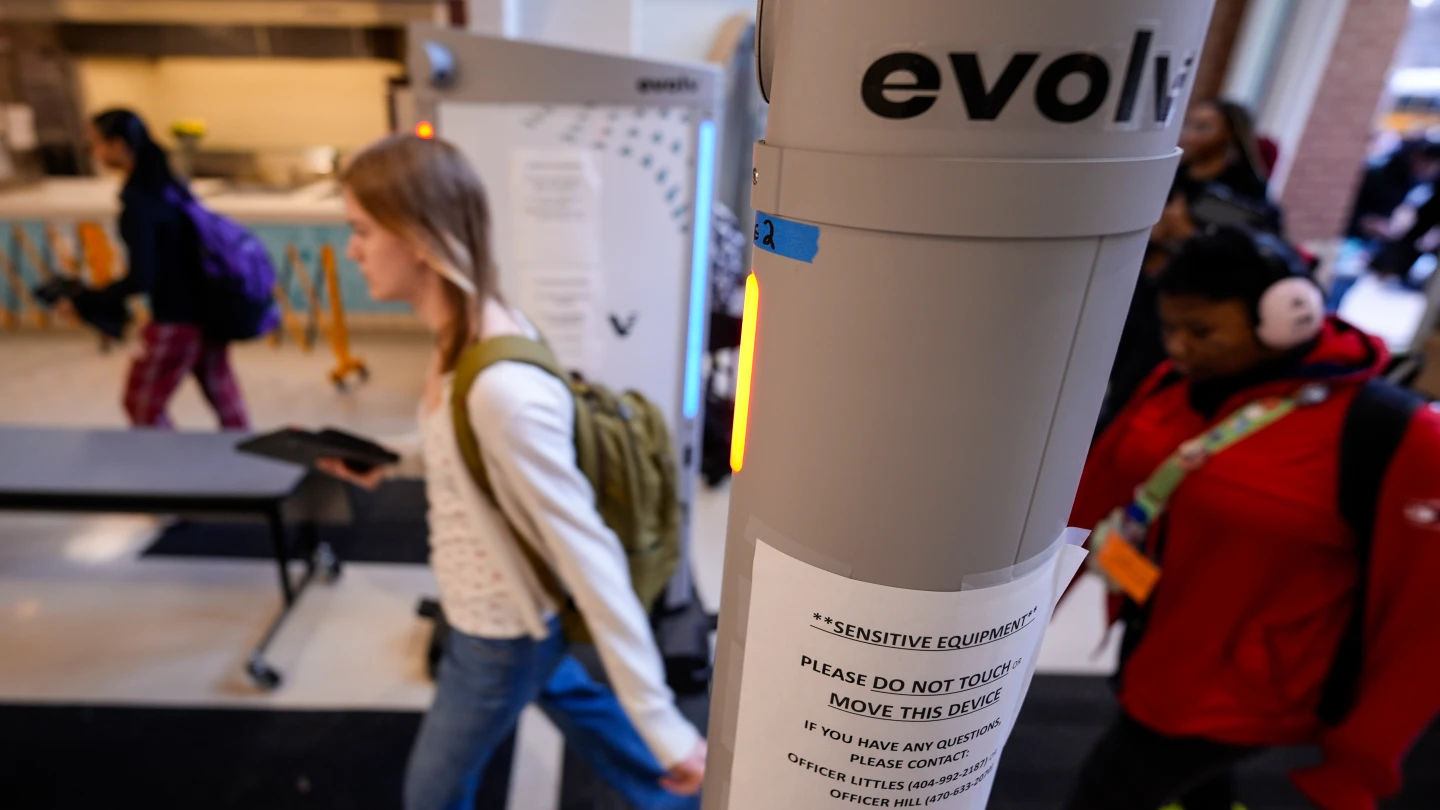
While some schools have traditionally employed metal detectors, advancements in technology have led to the use of more sophisticated detection systems that can spot a range of weapons beyond just firearms. Systems incorporating computer analysis and electromagnetic fields are rapidly being adopted in various settings including schools, hospitals, and arenas.
“It’s very commonplace for me to walk through a weapons detection system when I enter into a courthouse,” noted Chuck Efstration, the bill’s sponsor. He argues that Georgia’s educators and students deserve similar safety measures in schools.
Although proponents support the bill's intent, skepticism remains. There is limited empirical evidence that such detection systems effectively prevent shootings. Critics also express concern about potential costs to schools, which can amount to $10,000 or more per system, and the burden of requiring staff to manage searches and checkpoints.
Some opponents question the necessity of such measures in elementary schools, while others argue that improving gun control laws should take precedence over implementing detection systems. The perception that frequent reliance on detection systems signifies surrender to a reality of violence and guns is also prominent.
The Senate last week passed an amended version of the bill, which now awaits final votes before reaching the governor’s desk for approval.
Current Use of Detection Systems
Nationally, a small percentage of schools utilize metal detectors, according to the U.S. Department of Education. In the 2021-2022 school year, only 6.2% of schools mandated random checks, with a mere 2.4% enforcing daily usage. In contrast, schools in urban areas, or those with higher proportions of students from disadvantaged backgrounds, were more likely to implement such measures.
Atlanta has invested significantly in technological upgrades, replacing traditional detectors with faster systems. Reports indicate that gun incidents have notably decreased in schools employing new detection technology.
The Challenge of False Alarms
Experts point out that the effectiveness of detection systems can be undermined by false alarms, which may dull vigilance among staff. The debate continues over how sensitive these systems need to be, balancing the ability to detect actual threats while avoiding excessive alarms prompted by benign items.
A nationwide conversation is emerging around school safety that encompasses not just technological responses but also the underlying issues related to gun access and violence against children.
As Georgia’s legislative session draws closer to a close, the outcome of this bill remains uncertain, with ongoing discussions highlighting a divide between proponents of enhanced security measures and those advocating for broader gun control reforms.