ATLANTA (AP) — Georgia Republicans have advanced a new proposal that would require nonpartisan elections for numerous local offices in the state’s populous metro Atlanta area. This comes as Democrats have forged ahead electorally in core counties of the swing state, raising concerns among the Republican majority.
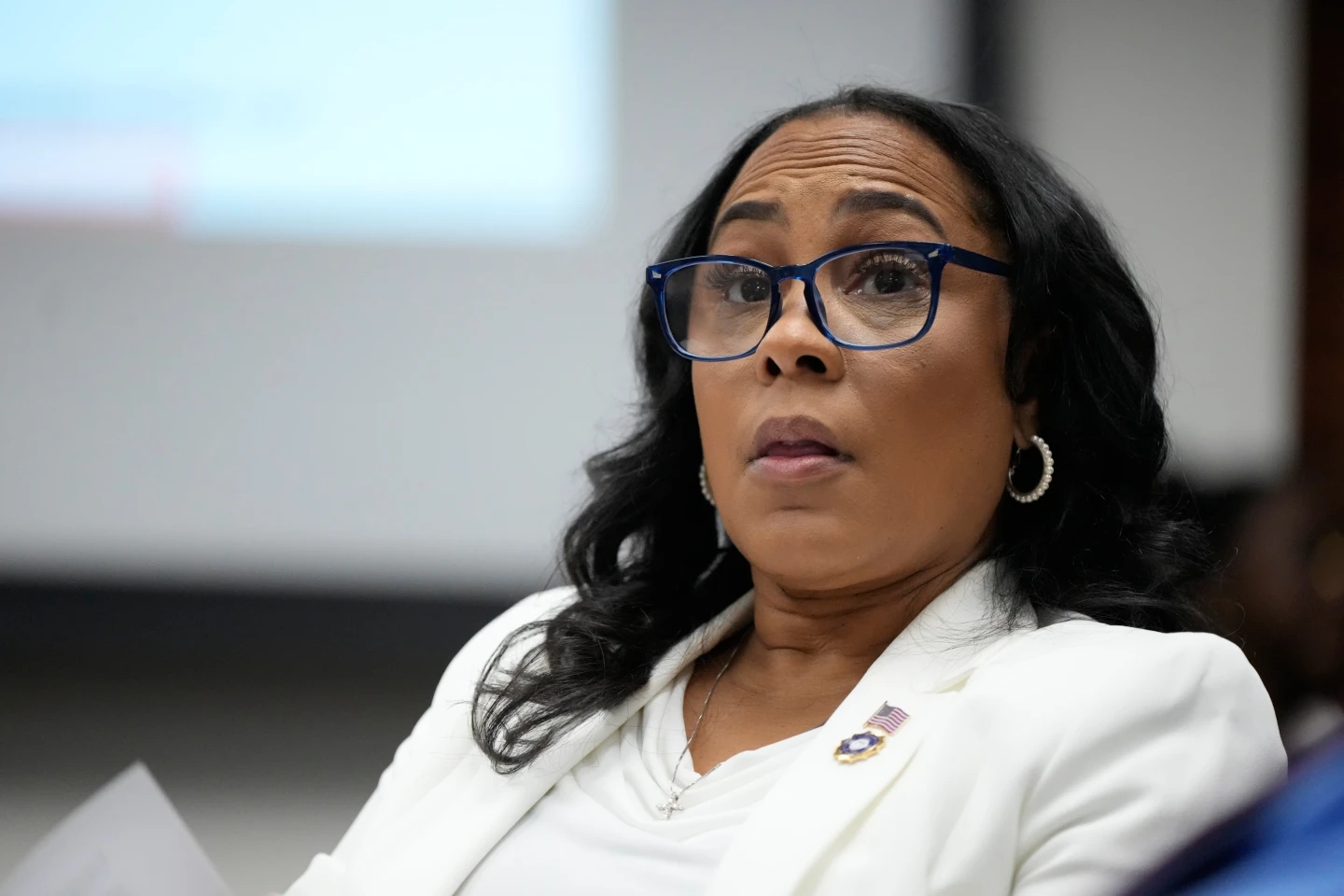
The Georgia House approved the bill on Friday, affecting key counties, including Fulton, Clayton, Cobb, DeKalb, and Gwinnett. These areas have become pivotal in the political landscape, particularly since they encompass Democratic strongholds such as Fulton County, where District Attorney Fani Willis has faced significant criticism from Republican lawmakers over her decisions regarding former President Donald Trump's legal challenges.
State Senator John Albers, a Republican from Roswell, championed the legislation, suggesting it would help enhance public safety by reducing partisanship in local elections. Despite this rationale, the bill has been met with fierce opposition from Democrats, who accuse Republicans of attempting to cloak their political identities in an effort to sway election outcomes.
Opponents, including state Rep. Gabriel Sanchez, argue that the move is a strategic effort by Republicans to hide their affiliation in district elections where they have been losing control. They want to hide behind a nonpartisan badge in order to win, he asserted during a legislative debate.
The implications of this bill could be far-reaching, potentially changing the dynamics of local governance within these counties. Republicans defend the measure, claiming it offers a path for voters to challenge elected officials focused on partisan politics rather than law enforcement or justice delivery.
While the bill does not extend its nonpartisan stipulation to the election of county sheriffs, it does significantly alter the landscape for district attorneys, solicitors general, county commissioners, court clerks, and tax commissioners in these jurisdictions. The measure is set to take effect in 2028, pending the signature of Governor Brian Kemp, who has yet to announce his position on the legislation.
As the situation unfolds, it remains to be seen how this legislative change will affect voter sentiment and the political balance in Georgia, particularly as other Democratic-leaning areas continue to emerge from historically Republican dominance.