In brief
Following a series of sectarian clashes that claimed the lives of seven men, residents in Jaramana, Syria have taken the initiative to defend their city, citing a lack of sufficient government intervention.
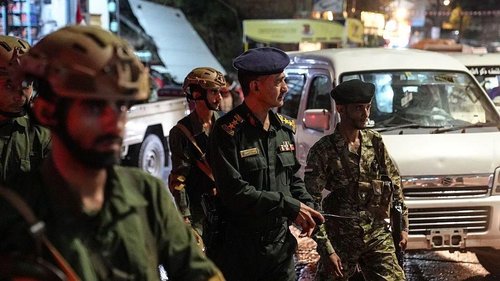
In the wake of rising tensions in Jaramana, Syria, armed local residents have decided to take the protection of their community into their own hands following violent clashes that led to the deaths of seven men. These clashes were attributed to attacks by Islamist extremists, which left the predominantly Druse area in a state of alarm.On Wednesday, the sight in Jaramana was grim as armed individuals donned a mix of casual and traditional attire, their rifles slung securely as they fortified the streets against potential threats. The somber atmosphere was accentuated by a funeral ceremony for the victims that unfolded in a nearby Druse religious venue, where emotional mourners gathered around velvet-draped coffins.Widespread concerns have emerged among residents about the government’s inability to provide adequate security. As locals gathered to pay respects to the deceased, they expressed their frustrations with the state’s response, deeming it insufficient. Ghassan Azzam, a local resident, articulated the sentiment shared by many, stating, “We’re not seeing anything from the government. We’re just protecting ourselves.”Although some government forces were observed patrolling the city, community members took the lead in organizing their own defense, forming groups to guard Jaramana amid fears of further violence. As they remain vigilant, the locals have mobilized themselves to counter threats and maintain peace in their besieged city, reflecting a growing trend among communities in conflict zones to rely on their own resources in times of crisis.