Impact of Middle East Conflict on Global Aviation: A Turbulent Future Ahead
The once-humble outpost of Dubai has evolved into a key player in global aviation, with Dubai International Airport (DXB) becoming the world's busiest for international passengers. However, the ongoing conflict in the Middle East threatens to reshape the aviation landscape significantly.
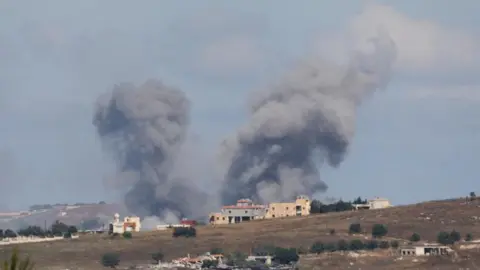
The recent escalation in hostilities has led to flight disruptions across some of the world's busiest airspace, grounding aircraft and stranding hundreds of thousands of passengers. Airlines are grappling with supply shortages, particularly fuel, as the Strait of Hormuz has faced blockades, resulting in skyrocketing prices and operational cutbacks.
Gulf airports normally see more than 3,000 daily flights operated predominantly by local airlines. Yet, the situation has led to major reductions in flight schedules and a loss of passenger confidence. Travelers like Ian Scott express concern over flying through Gulf hubs in the future, citing safety fears from potential conflicts.
Ultimately, the ongoing unrest raises pressing questions about the viability of the Gulf's successful aviation model which relies heavily on transit traffic. Industry experts argue the longer the conflict continues, the more likely travelers will seek alternatives, increasing operational challenges for Gulf carriers.
As airlines modify their schedules and strategically route flights away from the Gulf, the market dynamics are shifting. Without Gulf carriers filling the capacity void caused by this disruption, higher fares may become the new norm.
In summary, as the world watches the developments in the Middle East, the ripple effects on aviation are becoming increasingly clear. If the Gulf can resume its pivotal role amidst growing safety concerns, the industry may recover swiftly. Otherwise, the implications on global aviation could be profound.