Ceasefire or No Ceasefire, the Middle East's Reshuffling is Not Yet Done
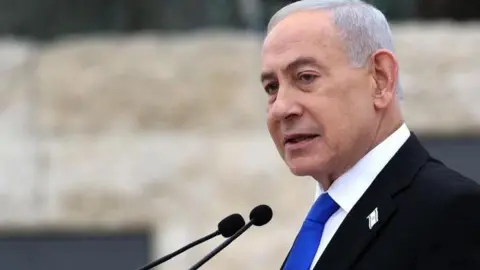
The best hope for the ceasefire talks in Pakistan is that both the United States and Iran have strong reasons to halt the ongoing conflict. The main impediment to successful negotiations remains a profound lack of trust between the two parties, further complicated by the ongoing military escalation in the region, particularly Israel's intensified military actions in Lebanon.
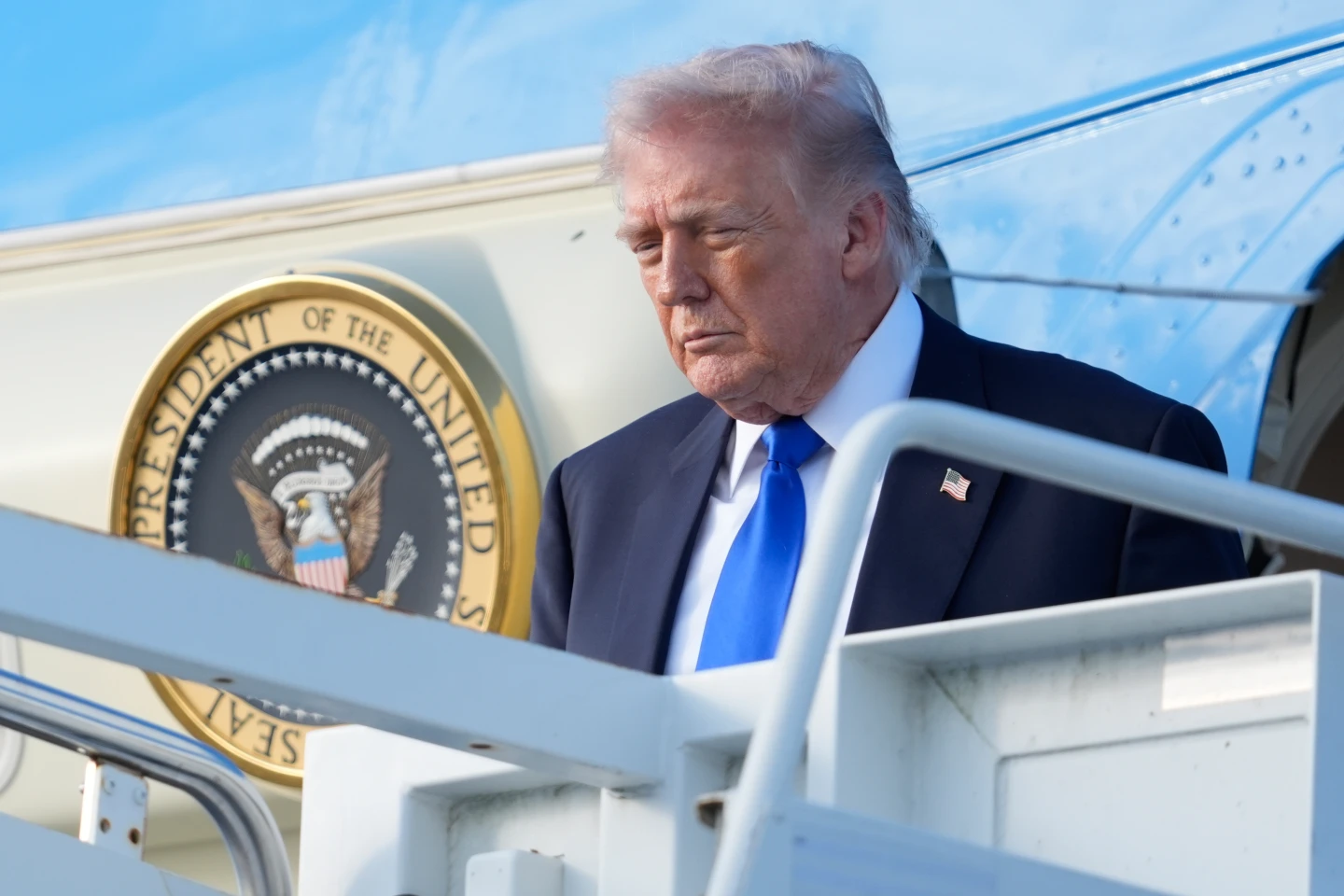
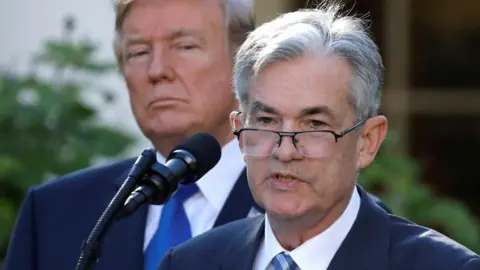
US President Donald Trump has begun to frame the conflict in retrospective terms, claiming a semblance of victory and expressing a need for an exit. The approaching midterm elections and royal engagements piling on the agenda signify that the matter at hand is pressing for the US administration.
In a stark contrast, while Iran has maintained its ambivalence, its economic condition has deteriorated significantly due to persistent strikes, putting its government in a more defensive stance as negotiations loom.
Despite clear gaps in dialogue, Trump is reportedly pushing for a ceasefire, even as Iran's demands remain firmly rejected in previous encounters. The Pakistani intermediaries tasked with negotiating face daunting obstacles as both sides cling tightly to their positions.
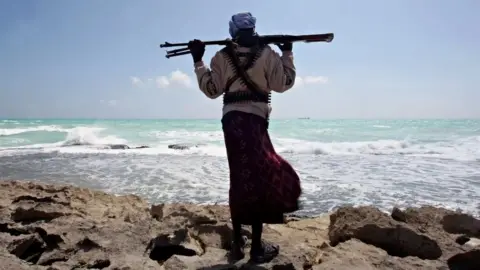
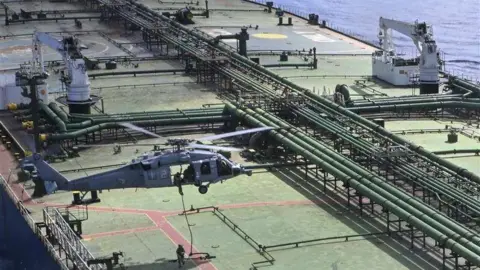
The concurrent crises stemming from the conflict, particularly concerning the Strait of Hormuz, play a crucial role in shaping future talks. With vital global trade routed through this passage, Iran’s leverage in negotiations derives from its control over these shipping channels.
Moreover, the new geopolitical dynamics emerging from this war could redefine alliances and strategies across the Middle East. Historical tensions along with nations like China signaling an interest in maintaining oil supplies, further complicate the landscape.
Ultimately, the success of any ceasefire will hinge on establishing a basis for ongoing dialogue around the convoluted issues at stake, including broader calls for peace that reflect diverse regional interests and grievances.