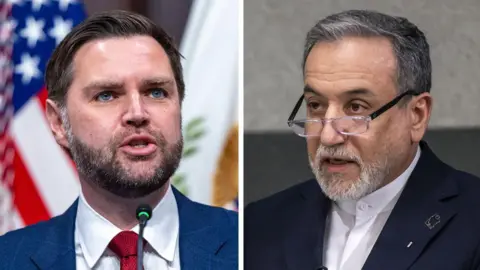
The venue is ready, the guards are in place, and Islamabad awaits high-stakes US-Iran talks. As hosts, Pakistani officials project optimism, asserting they maintain trust from both parties involved. US Vice President JD Vance, leading the US delegation, echoes this sentiment, extending a willingness to negotiate in good faith—but warns against playful tactics from Iran.
Yet, significant challenges lie ahead. One of the foremost issues is Iran's nuclear program. The US, under the Trump administration, has heightened its stance against Iran's enrichment of uranium, demanding an end to such activities on Iranian soil. Iran, however, insists that its rights to uranium enrichment for civilian purposes must be recognized as a signatory of the Nuclear Non-Proliferation Treaty.
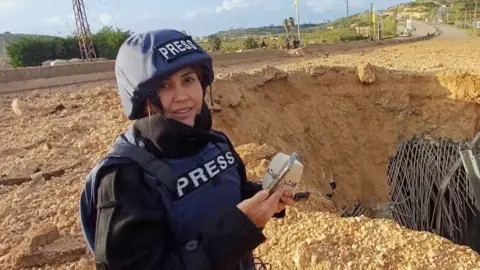
Alongside nuclear discussions, regional conflicts, especially Israel's ongoing campaign against Iran-aligned Hezbollah in Lebanon, pose a serious impediment. Iranian officials have threatened that continued Israeli actions could render negotiations futile. Secretary of Defense Pete Hegseth affirmed that Iran must never achieve nuclear capabilities or the path to them, emphasizing paramount concerns over Iran's leverage in regional affairs.
Moreover, talks are entangled in the complexity of international sanctions. Iran demands the lifting of various economic restrictions and the release of frozen assets as prerequisites for any viable negotiations. However, there is skepticism around whether the US is prepared to meet these requests without reciprocation from Iran, raising questions about the feasibility of reaching a sustainable peace accord.
In light of ongoing tensions and stark divergences in priorities, the upcoming negotiations will be critical. Observers will need to monitor both sides closely, examining how they navigate their conflicting interests toward broader regional stability.