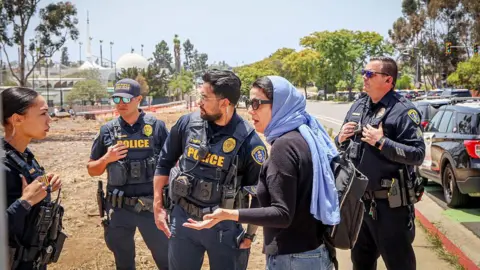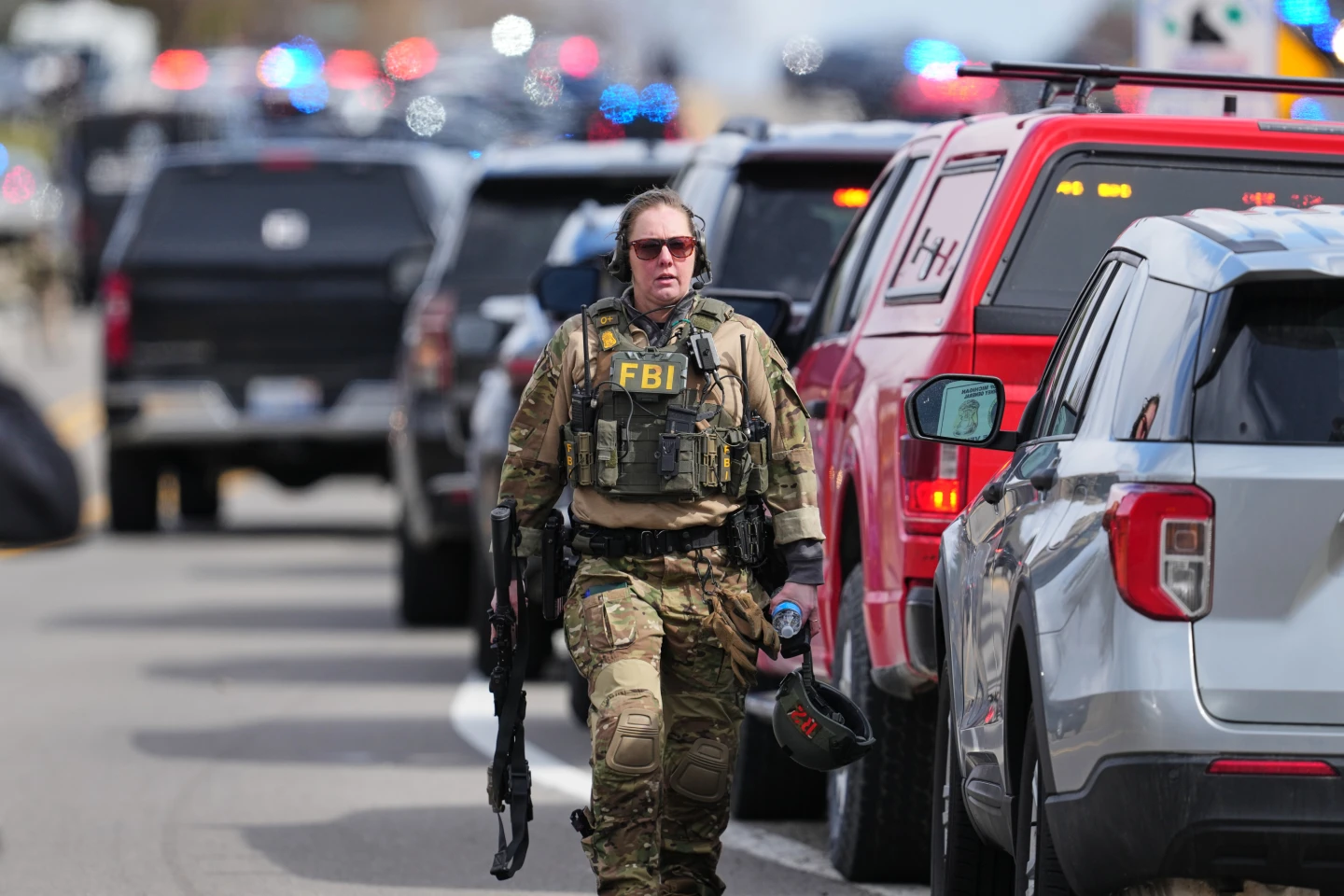
Law enforcement officials are enhancing monitoring and security measures for Jewish and Muslim communities across the nation in light of a surge in hate crimes and threats following recent conflicts in the Middle East.
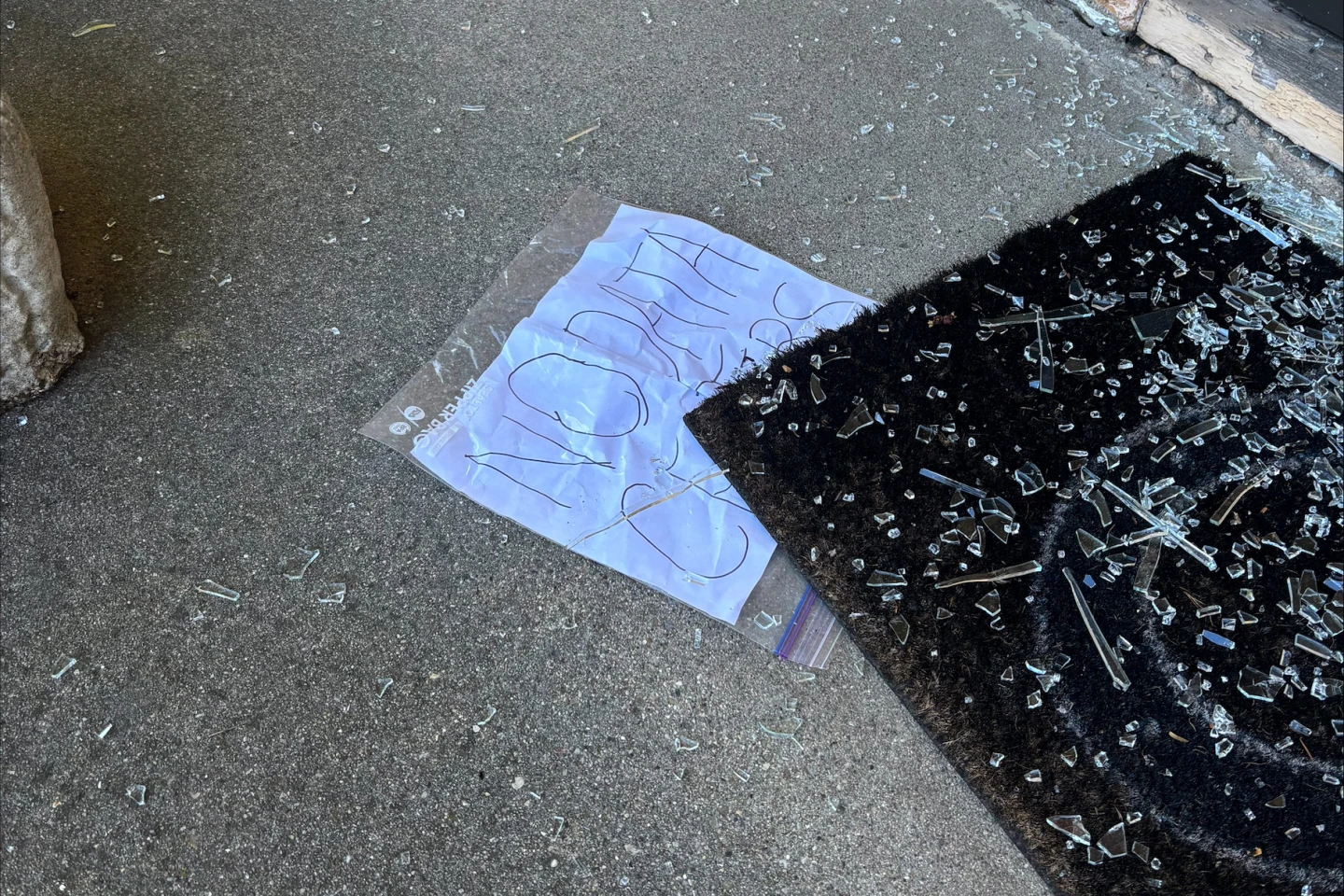
The FBI is investigating incidents, including a recent attack on Temple Israel in West Bloomfield, Michigan, where a vehicle was driven through the synagogue doors. Such incidents have prompted security briefings emphasizing the importance of safety for all faith communities.
Michael Masters, director of the Secure Community Network (SCN), remarked, “As enemies try to instill fear, we must implement strong measures to ensure our communities can worship without apprehension.” This sentiment underscores the necessity for proactive security as tensions escalate globally.
The SCN coordinated a national security briefing that aligned with significant religious observances and rising international tensions. Reports of antisemitic occurrences in areas like California and Toronto have raised alarm, alongside investigations into car burnings linked to antisemitism in European cities.
Jewish leaders are adamant about the need for more robust responses to antisemitism, linking it to broader societal issues exacerbated by social media misinformation and political rhetoric. Gary Torgow, of the Jewish Federations of North America, highlighted this concern, stating the shock of such incidents has sadly transitioned to an expected reality.
Federal authorities are not only monitoring explicit threats but also watching for radicalized individuals who may attack places of worship during significant events such as the upcoming FIFA World Cup.
Eric Fingerhut, president of the Jewish Federations, pointed to the vulnerability of even well-protected communities, advocating for continuous dialogue between law enforcement and community leaders to strengthen defenses against extremism.
On the other side, many Muslim Americans report increased anxiety due to anti-Muslim sentiments, reflecting a troubling trend of extremism. The Southern Poverty Law Center noted a significant rise in harmful rhetoric, often catalyzed by political discourse.
The complexity of rising antisemitism and Islamophobia is attributed to longstanding societal issues, using modern platforms for dissemination. Despite this, polling data indicates a general disapproval of hate and violence among the wider American populace.
As the landscape of hate continues to evolve, leaders from both Jewish and Muslim communities are calling for solidarity and mutual support to navigate these challenges together.