Iranian Footballers Naturalised as Australian Citizens Amid War‑Time Visa Policy Shifts
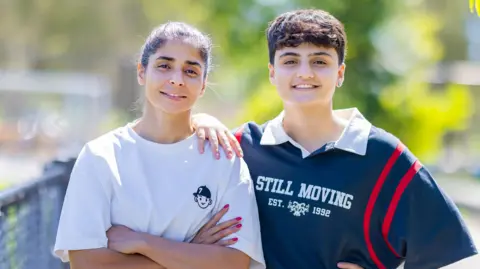
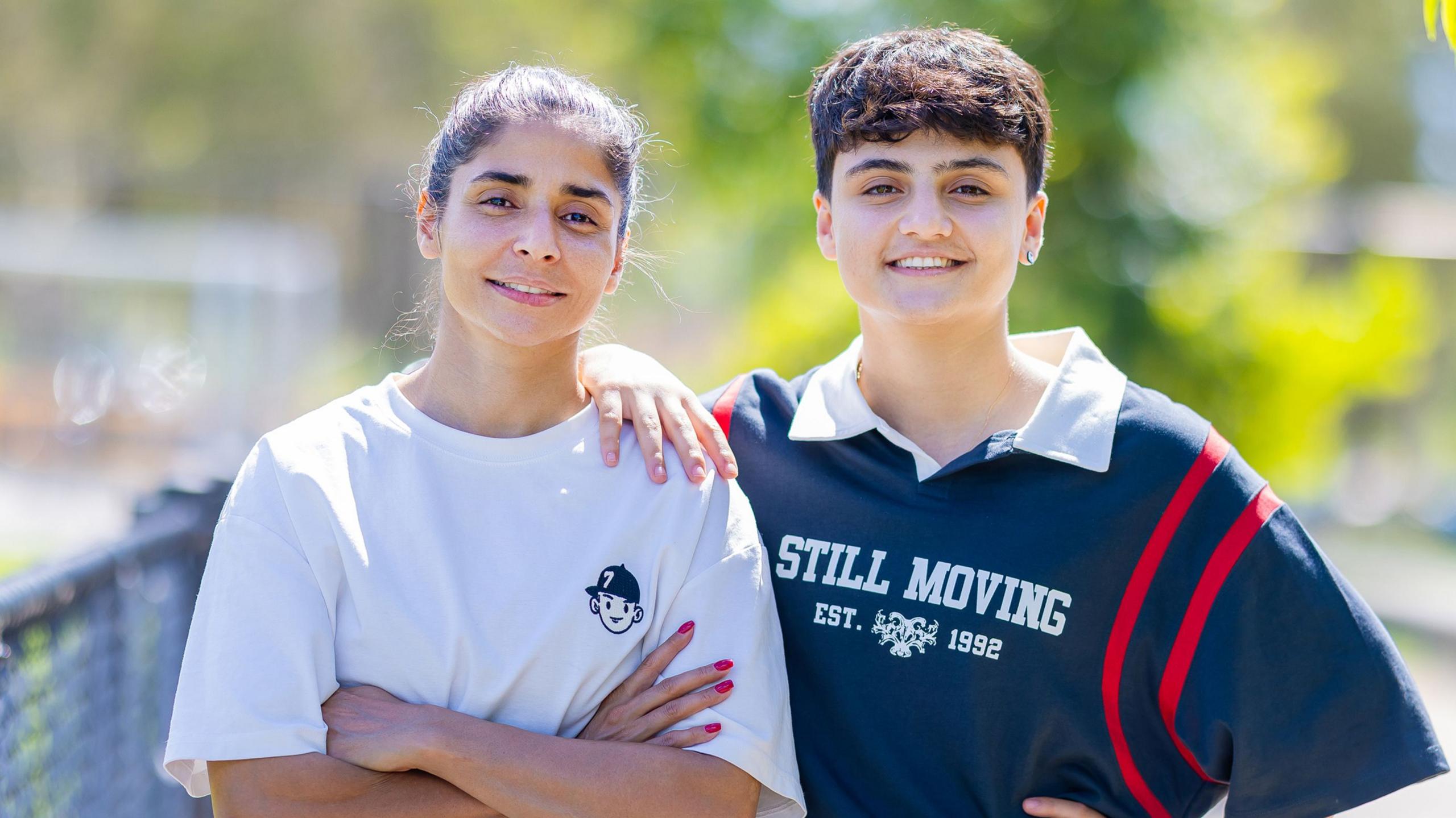
Atefeh Ramezanisadeh and Fatemeh Pasandideh, members of Iran’s women’s national football team, were naturalised as Australian citizens in Brisbane on Wednesday.
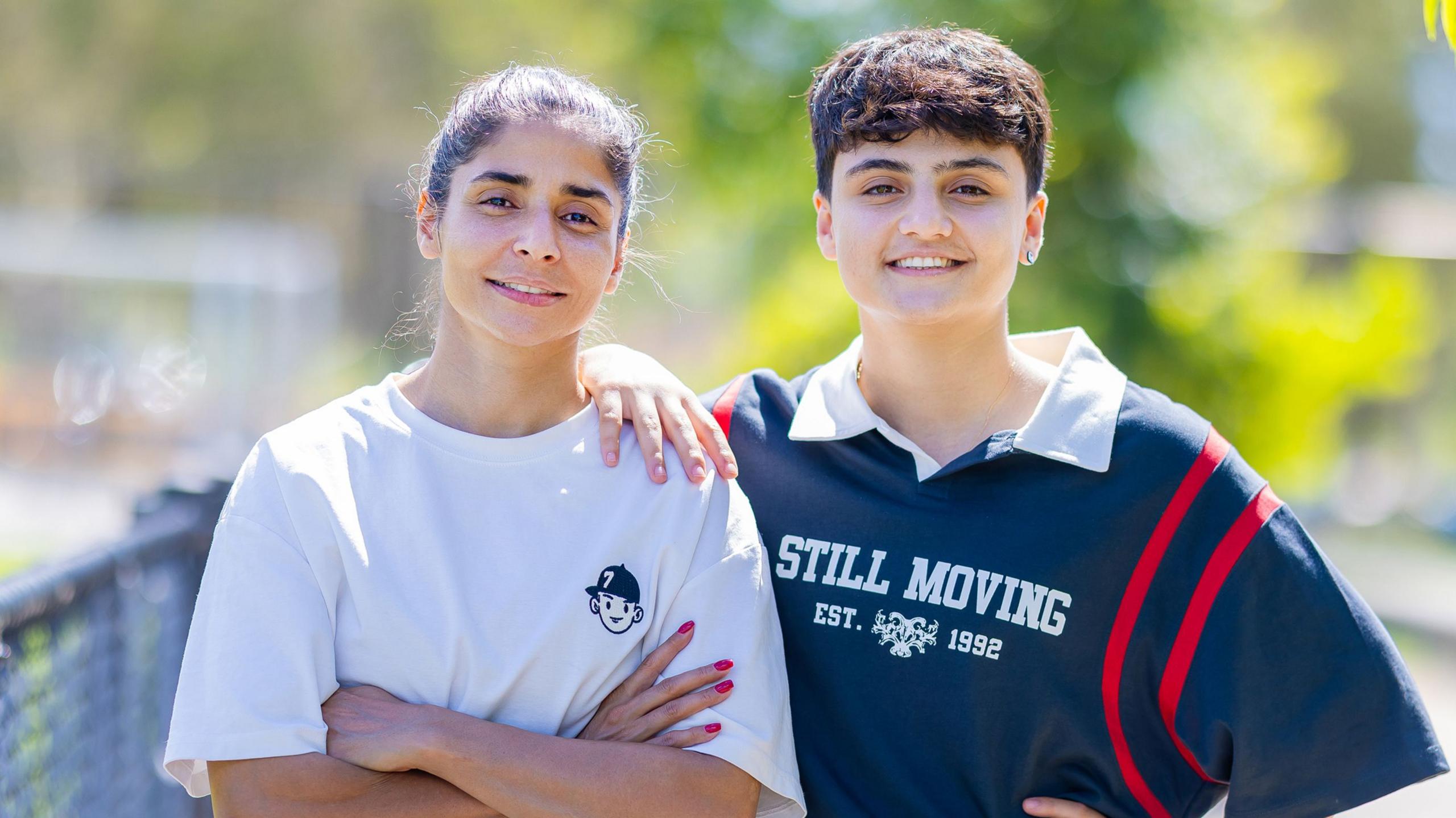
The two athletes, aged 34 and 22, had initially been granted humanitarian visas while competing in the 2026 Women’s Asian Cup in Australia. Their refusal to sing Iran’s national anthem at the opening match prompted fears of retaliation from their homeland as a joint US‑Israeli offensive began the previous month.
Under pressure from the Iranian community in Australia, their visa applications were processed for asylum. While five of the team chose to return home, the two remained and later received Australian citizenship certificates in a ceremony attended by Interior Minister Tony Burke.
Australia’s government is simultaneously tightening its immigration framework, introducing limits on asylum seekers’ work rights and banning family visas for visitors. This policy shift is often cited by political opponents who demand stricter migration control, while advocacy groups argue that the changes threaten the safety of future asylum seekers.
In the broader context, Iran has continued to experience armed conflict, and human rights observers warn that players who returned faced potential pressure and threats against family members. The Iranian Ministry of Sports stated that those who stayed had "defeated the enemy’s plans" through patriotism, yet the situation remains fraught with political implications.
Looking ahead, Ramezanisadeh and Pasandideh are training with Brisbane Roar’s A‑League Women’s squad, promising to lift their career onto the Australian stage while carrying the emotional weight of their complex journey.