Israel Launches Fresh Strikes on Lebanon Amid Trump Criticism
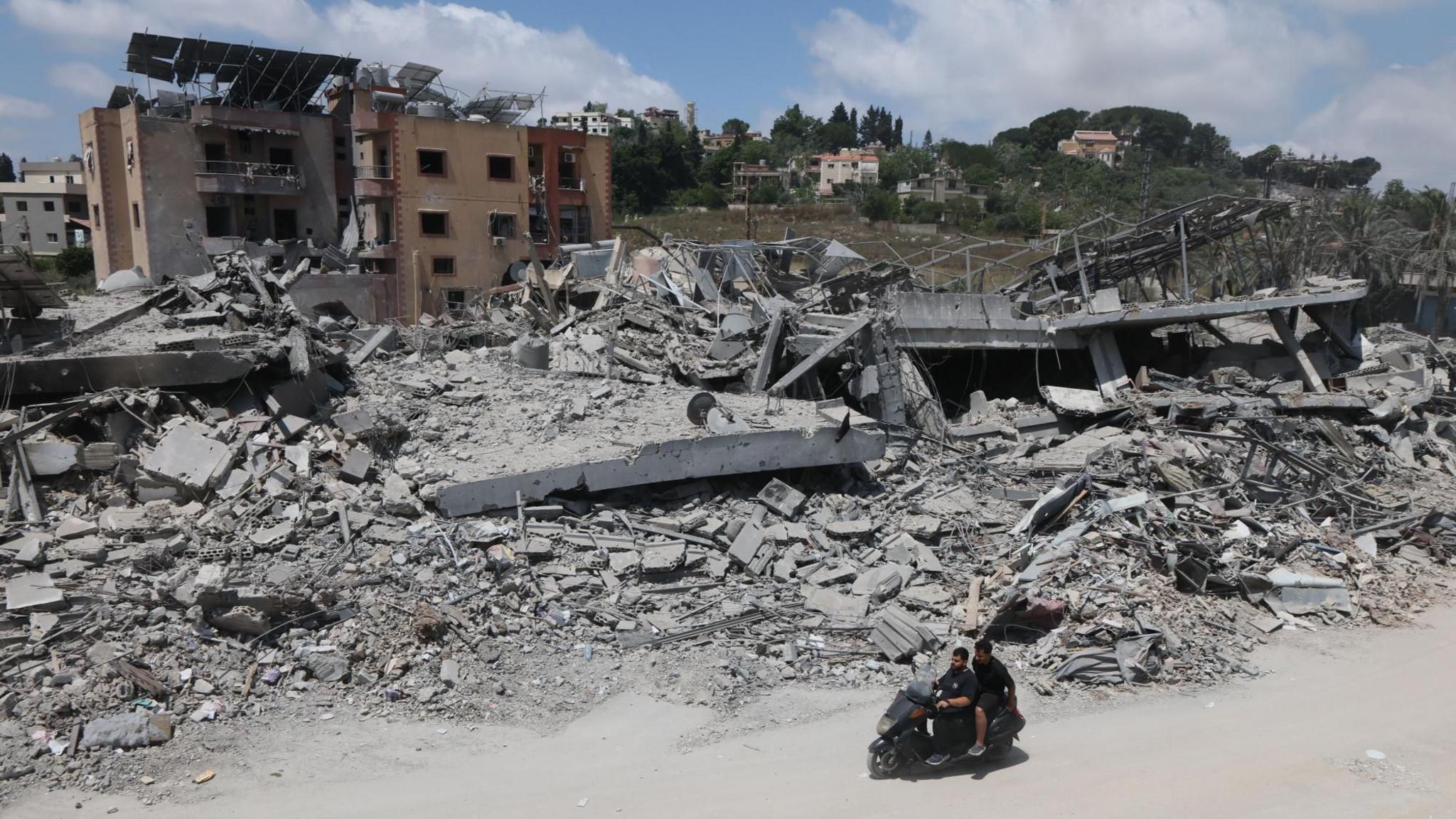
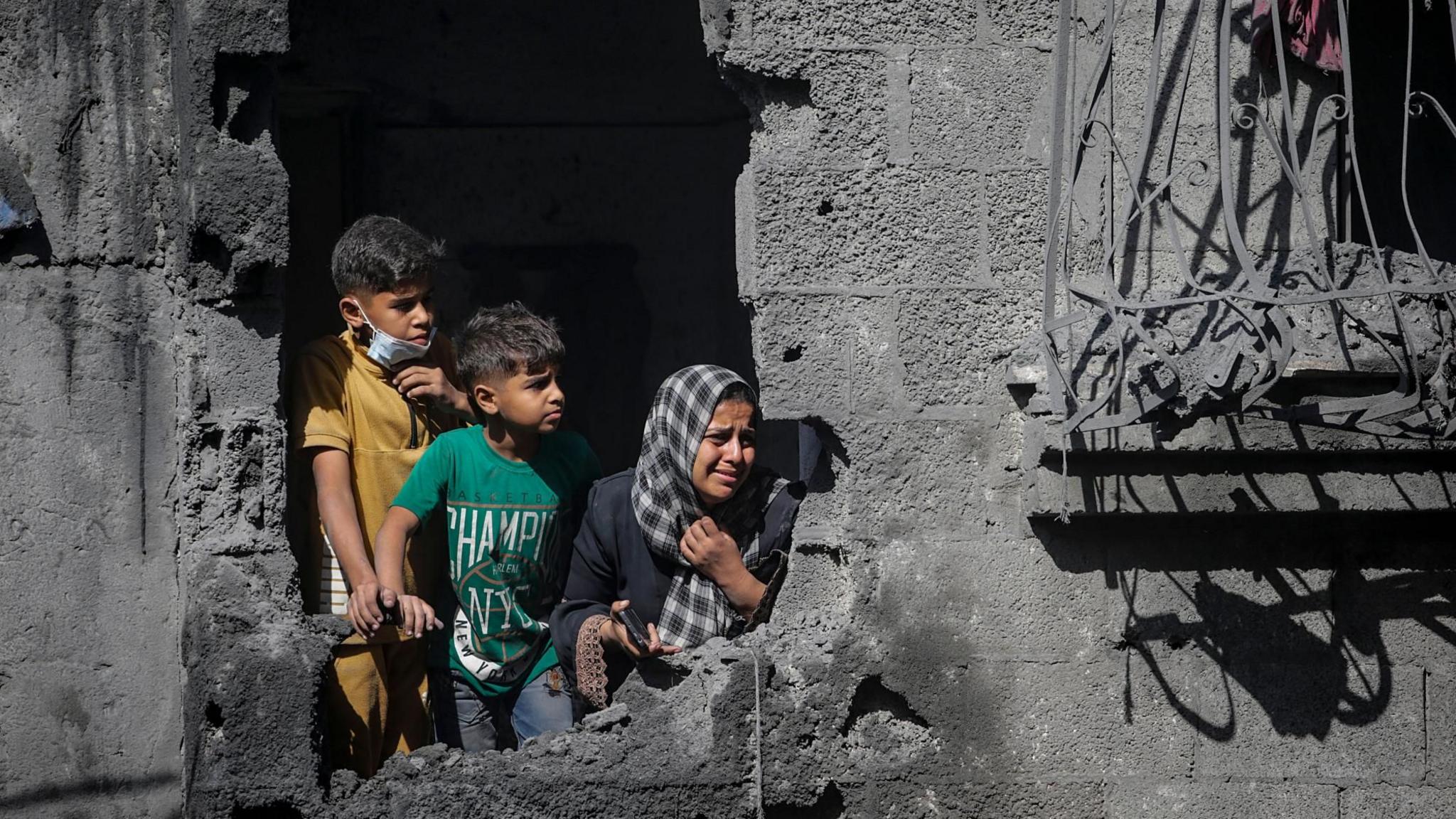
On Wednesday, Israeli aircraft hit the Nabatieh al‑Fawqa area and the outskirts of neighbouring Kfar Tebnit, according to the state‑run Lebanese National News Agency. This marks a new wave of military action after Israel previously declared strikes aimed at Iran‑backed Hezbollah.
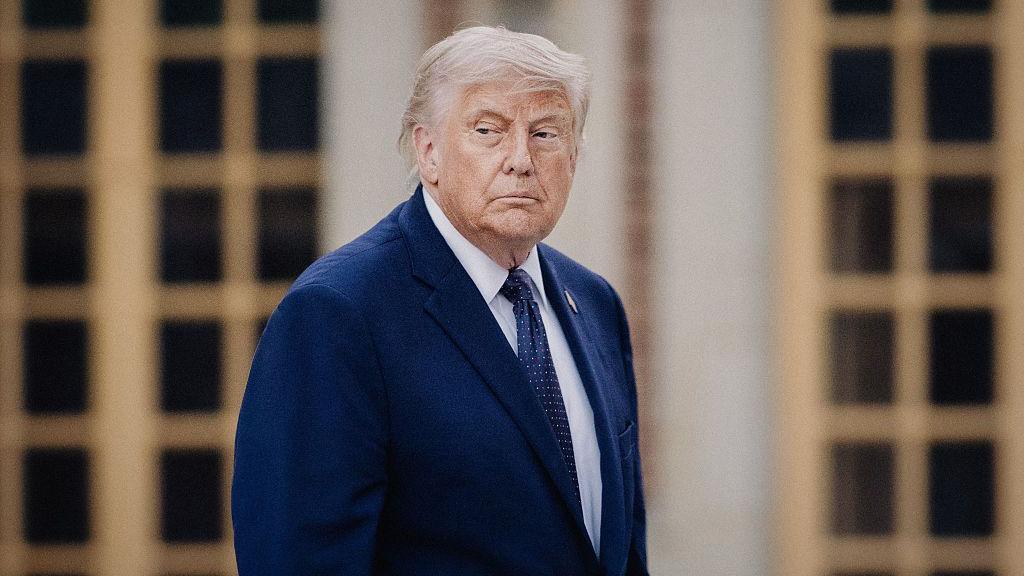
The timing coincides with vocal criticism from US President Donald Trump, who told the G7 summit that Netanyahu needed to be “more responsible with respect to Lebanon” and complained that Israel’s long‑running conflict with Hezbollah caused too many casualties. Trump also said the United States was essential for Israel’s security and that his role in the current US‑Iran agreement was decisive.
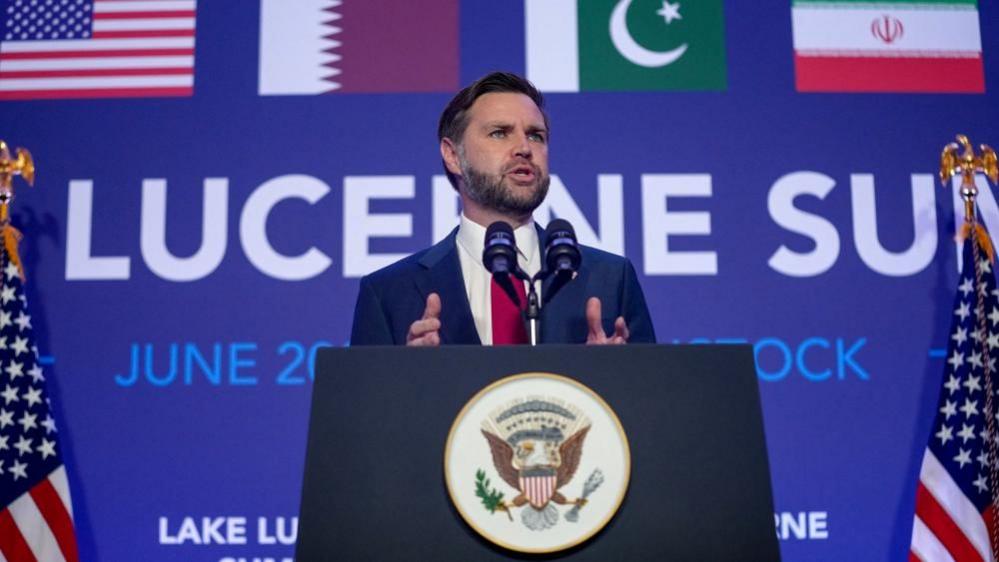
The pact between the United States and Iran—still unpublished in full—has included Lebanon in the conditions for easing sanctions. Mediator Pakistan stated the agreement covers the area, though the exact terms remain classified. Iran’s Foreign Minister Abbas Araghchi warned that any Israeli attack on Lebanese territory would violate the provisional truce.
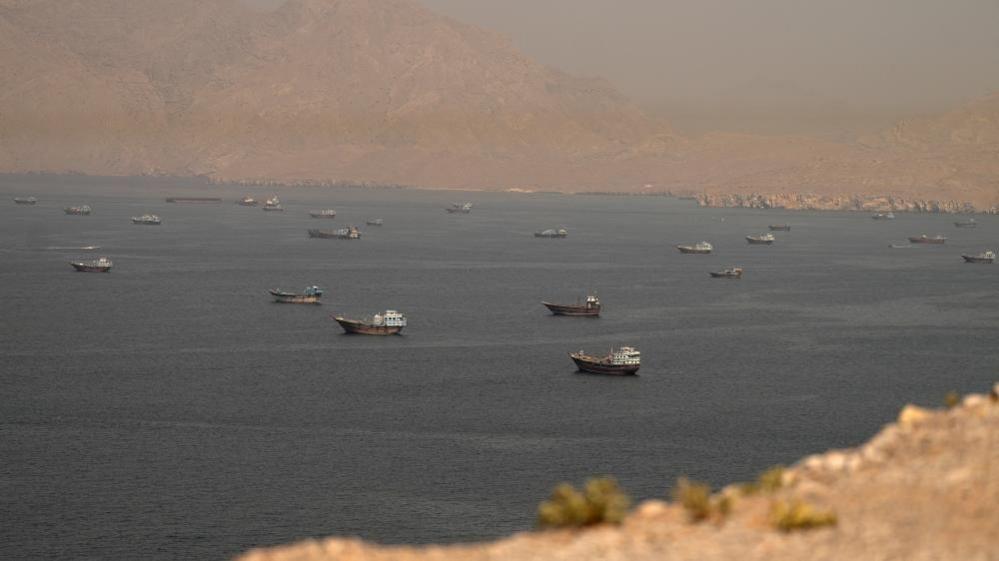
Both sides have continued to exchange strikes since the agreement’s announcement, raising concerns about escalating tensions. Netanyahu affirmed that Israeli forces would remain in Lebanon “for as long as necessary.” Meanwhile, Trump touted the new deal as a cleaner alternative to the 2015 Joint Comprehensive Plan of Action (JCPOA) negotiated under Barack Obama, arguing it would remove nuclear ambitions from Iran and secure the Strait of Hormuz for free traffic.
The signing of the agreement was expected in Switzerland’s Bürgenstock resort, but no official version has yet been released. The United Nations and regional players continue to monitor the fallout, while the world watches to see whether the new military engagements and diplomatic maneuvers will secure lasting peace in the region.