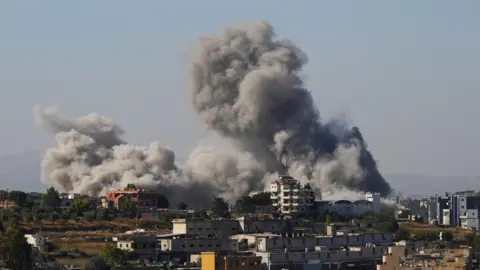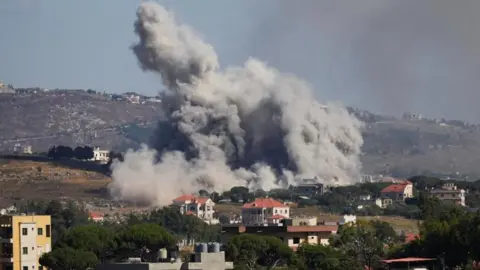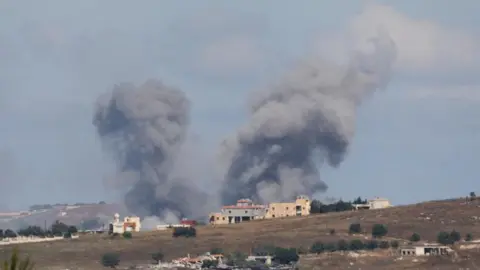
Prime Minister Benjamin Netanyahu has told Israel’s armed forces to strike the southern suburbs of Beirut, areas held by Iran‑backed Hezbollah. The announcement follows a series of rocket strikes against Israeli civilians and a U.S. brokered ceasefire that has failed to stop fighting altogether.
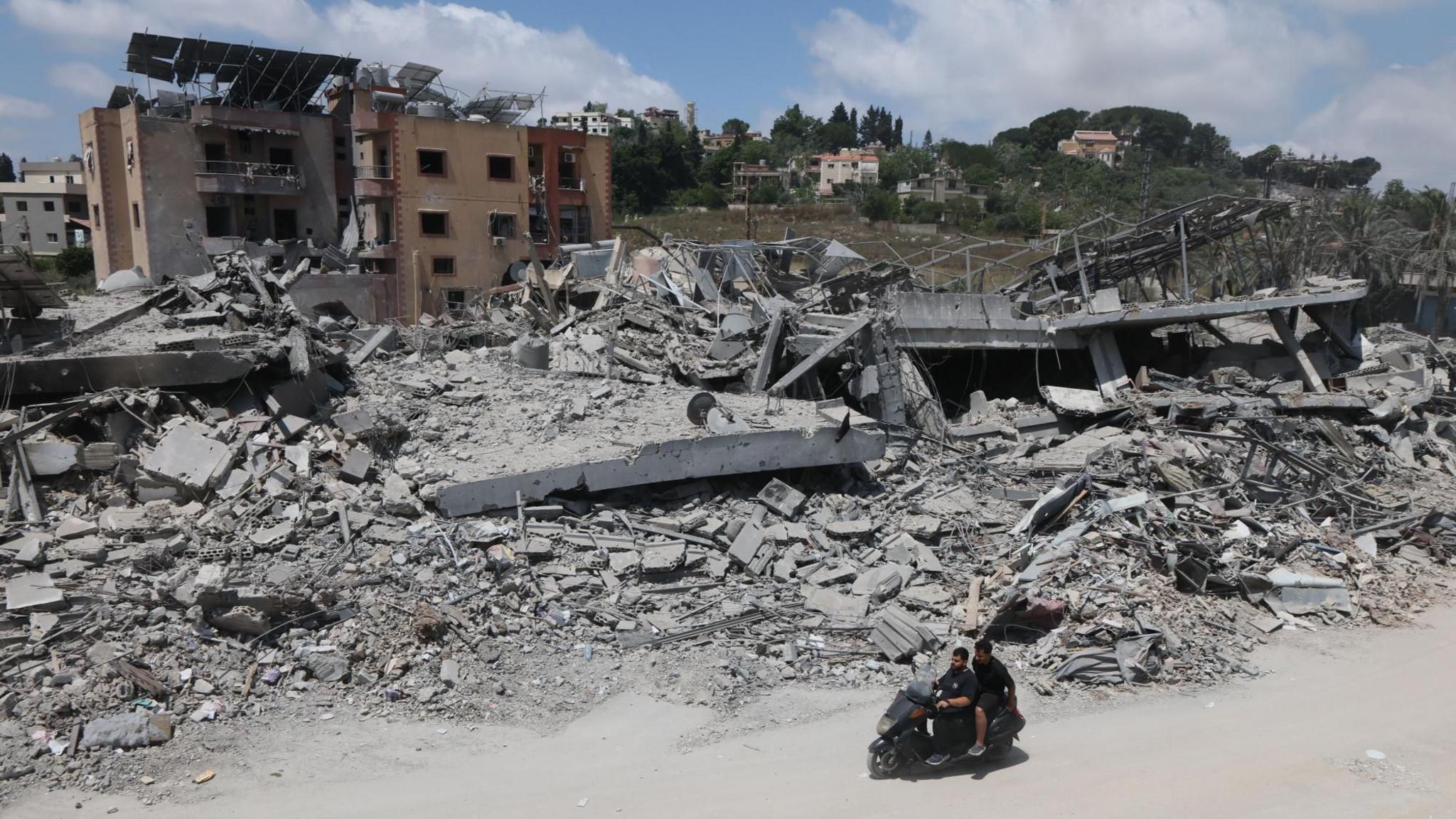
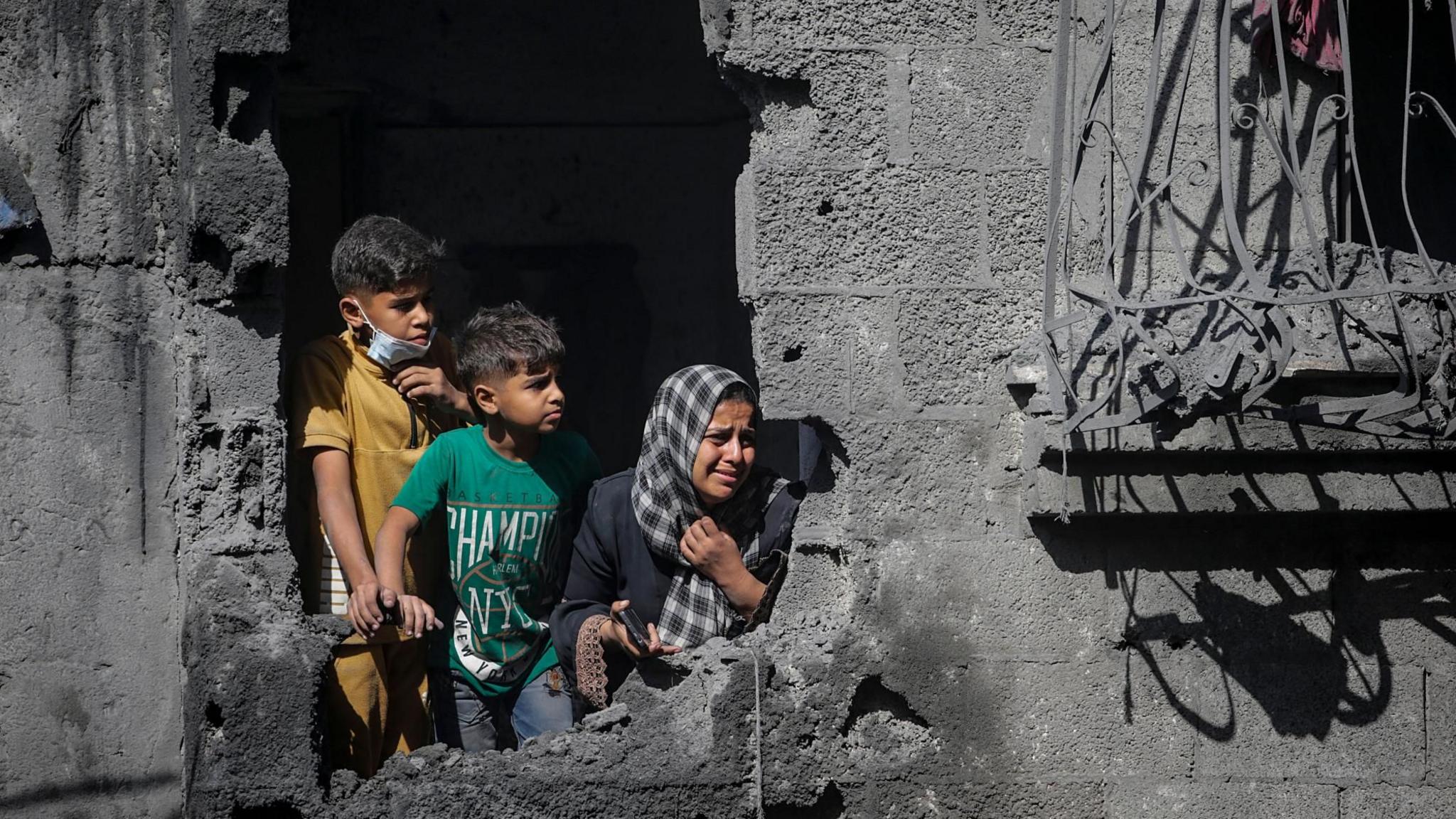
Israeli authorities say the targeted zones are filled with Hezbollah infrastructure that poses a security risk. For Israelis, the campaign is framed as a necessary response to persistent threats that have claimed lives in their country. Lebanese officials and civilians, however, argue that Israel’s actions amount to a scorched‑earth strategy and collective punishment against the broader population of Beirut.
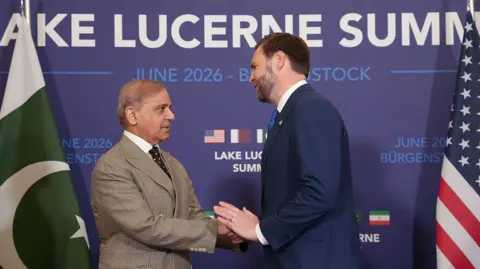
Lebanese Prime Minister Nawaf Salam publicly denounced the attacks and urged the United Nations to intervene. Meanwhile, U.S. Secretary of State Marco Rubio proposed a step‑by‑step plan: he urged Lebanese officials to pressure Hezbollah to halt its attacks, demanding that Israel respect the ceasefire terms within the city. The goal, according to U.S. officials, is to create a space for gradual de‑escalation and a sustainable cessation of hostilities.
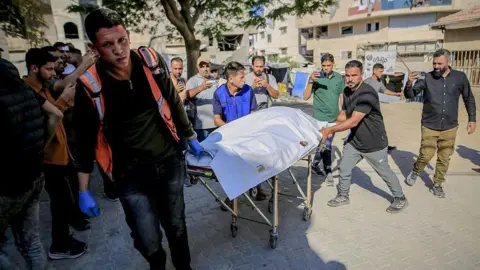
The conflict began in March when Hezbollah launched rockets after an Israeli strike killed Iran’s supreme leader, leading Israel to initiate an air campaign across Lebanon and a ground invasion. Over the course of the war, the Lebanese population has suffered thousands of fatalities and widespread displacement from Beirut’s southern corridors.
This latest escalation brings international concern over the safety of civilians, the right to self‑defence, and the accountability of all parties involved. Global leaders call for renewed diplomatic engagement and a halt to hostilities to safeguard the human rights of civilians on both sides of the border.