In brief
Travelers seeking the unspoiled charm of Al-Ula will soon face an influx of tourists as extensive development and modernization efforts reshape this historic region in Saudi Arabia, highlighting broader social changes.
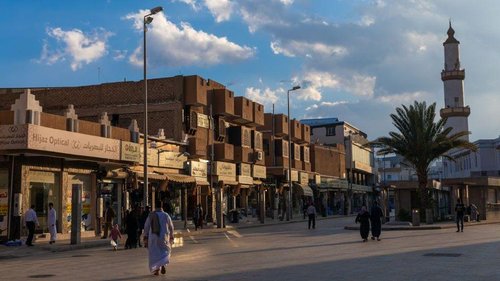
In a remarkable shift set to alter the landscape of travel experiences, Al-Ula, Saudi Arabia, is capturing the attention of explorers eager to discover its majestic sandstone and granite formations. With Saudi Arabia having opened its doors to global tourism just six years ago, the changes in Al-Ula are strikingly fast-paced, evoking a sense of urgency among travelers to visit before the area becomes overwhelmed.The majestic natural wonders of Al-Ula have seen little disruption thus far, offering a rare glimpse into the remnants of the Nabatean empire that built the iconic Petra in Jordan. However, whispers of impending transformation echo with plans for a myriad of hotels, commercial ventures, and increased tourist engagement, creating a clear parallel to Petra's burgeoning popularity.While the Saudi government attempts to shift its image amidst past controversies surrounding human rights and women's rights, the kingdom is also embracing potential avenues for revenue growth. With the looming 2034 World Cup and the ambitious Saudi Vision 2030 initiative, authorities are exploring possible relaxation of restrictions—modifying what has traditionally shaped the country's tourism demographics.Contrastingly, the more urbanized cities of Riyadh and Jeddah have embraced modernization, now bustling with life and reflecting notable shifts in cultural norms, such as women's rights. This juxtaposition highlights the crossroads at which Saudi Arabia finds itself as it seeks to balance historical richness with future potential.The allure of Al-Ula lingers, but signs suggest it may soon be shared by many more travelers, bringing both opportunity and challenges to this breathtaking corner of the Saudi desert.