PHOENIX (Neutralecho) — Sandra Ramirez stared at footage of immigration officers arresting migrants in front of families, her stomach churning. The scene confirmed what she already suspected: her 2024 vote for Donald Trump had been a mistake. 'There are many people being harassed for the color of their skin, and that’s not right,' she said, recounting her shift from Democratic roots to Republican allegiance. Now, Ramirez vows never to support the GOP again.
Trump’s 2024 campaign successfully won over 43% of Latino voters—a 8-point increase from 2020—amid promises to crack down on immigration. But recent polling reveals a critical unraveling: according to a Pew Research Center study, Latino approval of Trump plummeted from 93% to 66% between February 2025 and April 2026. The same data shows non-Latino approval dropped from 95% to 79% over the same period, highlighting a stark demographic divide.
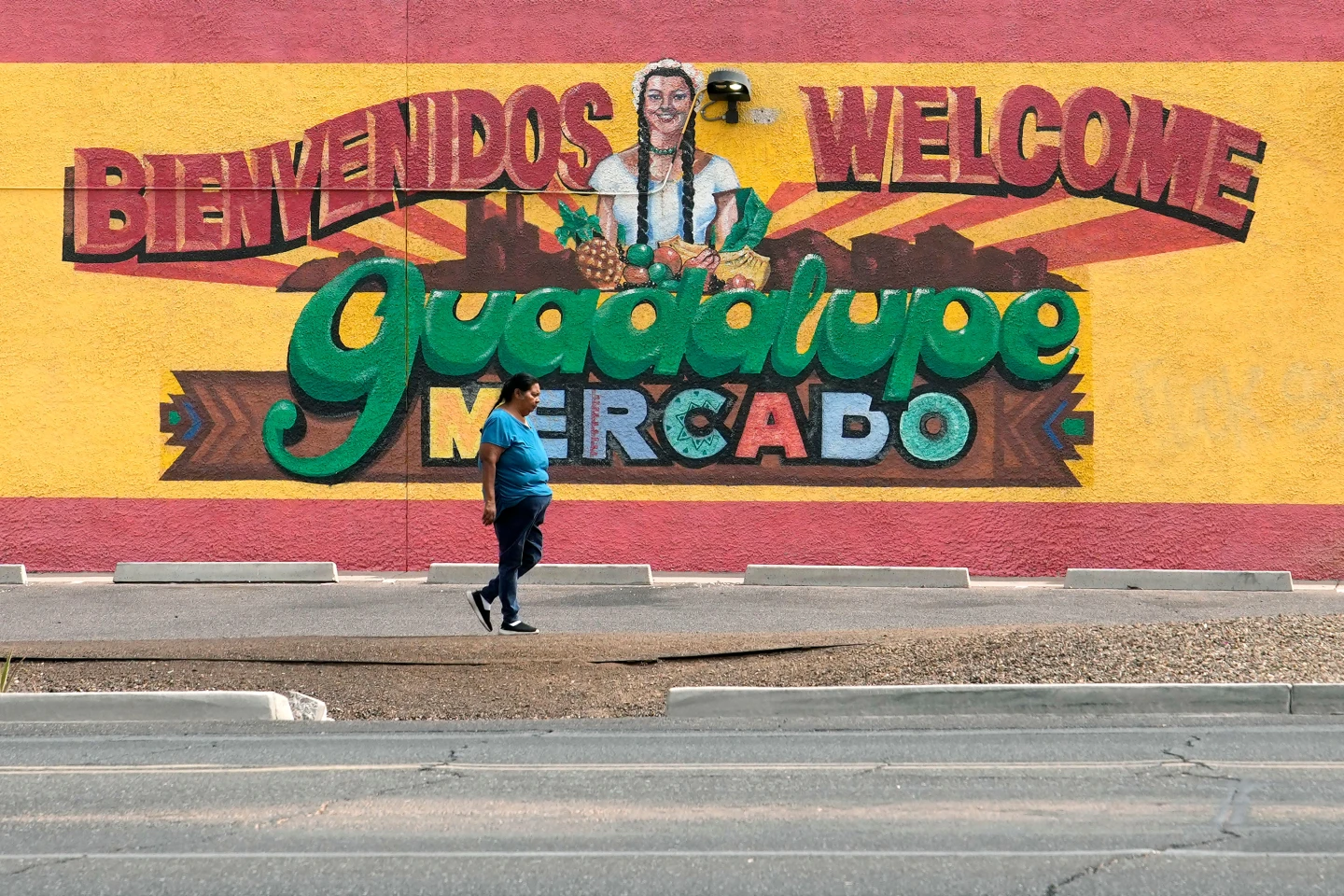
In Maricopa County, where 30% of residents are Latino and 25% are immigrants, this trend poses significant political risks. Arizona—a state where Latinos shifted 8 percentage points toward Trump in 2024—saw unprecedented backlash against enforcement tactics. 'We were the lab where they implemented a lot of this with Sheriff Joe and now it’s all over the United States,' said Salvador Reza, a Phoenix labor rights activist, referencing the nation’s escalating immigration crackdowns that began with Arpaio’s 2010 raids.
Albert Rodriguez, a Phoenix tattoo artist, embodies this tension. He initially voted for Trump, but after seeing ICE agents 'hitting the paleta man'—street vendors selling frozen treats—regret set in. 'Big time, I regret it,' he said. Yet Ronnie Martinez, an Army veteran, defends Trump’s border stance. 'The border is a hop, skip and a jump to our south,' he argued, 'and I don’t want illegal alien criminals coming from Guatemala.'
The disconnect between policy and perception fuels polarization. Guadalupe Alaffa, a Phoenix resident, blames Biden: 'He left that damn border wide open.' But economists warn the real issue is economic pressure. 'With inflation and the cost of living and the gasoline and the wars, I don’t know if they can afford to be a Trump Republican,' noted former Arizona Governor Jan Brewer, who signed SB1070—a now-obsolete law requiring police to check immigration status.
Historical context deepens the divide. After Arpaio’s 2011 Justice Department report documented widespread racial discrimination against Latinos, federal judges ruled his department illegally profiled community members. The 2013 ruling forced the sheriff’s office to overhaul practices, though he later gained Trump’s pardon. Meanwhile, activists argue the current administration’s tactics—raids in schools and workplaces—echo past policies while intensifying economic anxiety. Earl Wilcox, a restaurant owner hosting Biden’s 2024 Latino outreach, believes the tide is turning: 'I don’t think the Republican Party will have the support it did the second time around.'
As Democrats in Arizona seek to capitalize on this shift, the implications are clear: eroding Latino support threatens GOP dominance in Maricopa County, where the state’s next governor and congressional candidates face a critical test. With midterms approaching, the question isn’t just whether Trump can hold onto this vote but whether the GOP can rebuild trust amid economic fragility and a fractured immigration policy.}
Trump’s 2024 campaign successfully won over 43% of Latino voters—a 8-point increase from 2020—amid promises to crack down on immigration. But recent polling reveals a critical unraveling: according to a Pew Research Center study, Latino approval of Trump plummeted from 93% to 66% between February 2025 and April 2026. The same data shows non-Latino approval dropped from 95% to 79% over the same period, highlighting a stark demographic divide.
In Maricopa County, where 30% of residents are Latino and 25% are immigrants, this trend poses significant political risks. Arizona—a state where Latinos shifted 8 percentage points toward Trump in 2024—saw unprecedented backlash against enforcement tactics. 'We were the lab where they implemented a lot of this with Sheriff Joe and now it’s all over the United States,' said Salvador Reza, a Phoenix labor rights activist, referencing the nation’s escalating immigration crackdowns that began with Arpaio’s 2010 raids.
Albert Rodriguez, a Phoenix tattoo artist, embodies this tension. He initially voted for Trump, but after seeing ICE agents 'hitting the paleta man'—street vendors selling frozen treats—regret set in. 'Big time, I regret it,' he said. Yet Ronnie Martinez, an Army veteran, defends Trump’s border stance. 'The border is a hop, skip and a jump to our south,' he argued, 'and I don’t want illegal alien criminals coming from Guatemala.'
The disconnect between policy and perception fuels polarization. Guadalupe Alaffa, a Phoenix resident, blames Biden: 'He left that damn border wide open.' But economists warn the real issue is economic pressure. 'With inflation and the cost of living and the gasoline and the wars, I don’t know if they can afford to be a Trump Republican,' noted former Arizona Governor Jan Brewer, who signed SB1070—a now-obsolete law requiring police to check immigration status.
Historical context deepens the divide. After Arpaio’s 2011 Justice Department report documented widespread racial discrimination against Latinos, federal judges ruled his department illegally profiled community members. The 2013 ruling forced the sheriff’s office to overhaul practices, though he later gained Trump’s pardon. Meanwhile, activists argue the current administration’s tactics—raids in schools and workplaces—echo past policies while intensifying economic anxiety. Earl Wilcox, a restaurant owner hosting Biden’s 2024 Latino outreach, believes the tide is turning: 'I don’t think the Republican Party will have the support it did the second time around.'
As Democrats in Arizona seek to capitalize on this shift, the implications are clear: eroding Latino support threatens GOP dominance in Maricopa County, where the state’s next governor and congressional candidates face a critical test. With midterms approaching, the question isn’t just whether Trump can hold onto this vote but whether the GOP can rebuild trust amid economic fragility and a fractured immigration policy.}