In a significant move for the state of Montana, Governor Greg Gianforte officially signed Senate Bill 437 on March 24, 2026, establishing a legal definition of sex as strictly binary, categorizing individuals as either male or female based on their reproductive system. This law amends various sections of state law, including definitions of “male,” “female,” “sex,” and “gender.”
SB 437 mirrors a previous law passed in 2023 that was deemed unconstitutional twice for lack of clarity and for violating the equal protections clause of the Montana Constitution. The latest legislation addresses similar concerns but notably removes references to genetic sex markers and emphasizes a more rigid interpretation of gender definitions.
The definitions proposed in SB 437 state that a female is defined as someone with reproductive systems that produce ova, while a male is defined as someone with a reproductive system that produces sperm. The bill also stipulates that gender and sex are synonymous, leading to significant changes in legal terminology throughout Montana’s legislative framework.
Supporters argue that the law seeks clarity in gender definitions, stating that it is necessary to create consistency across state documentation, including driver's licenses and marriage licenses. Additionally, they assert that it will protect the integrity of biological definitions in legal and medical contexts.
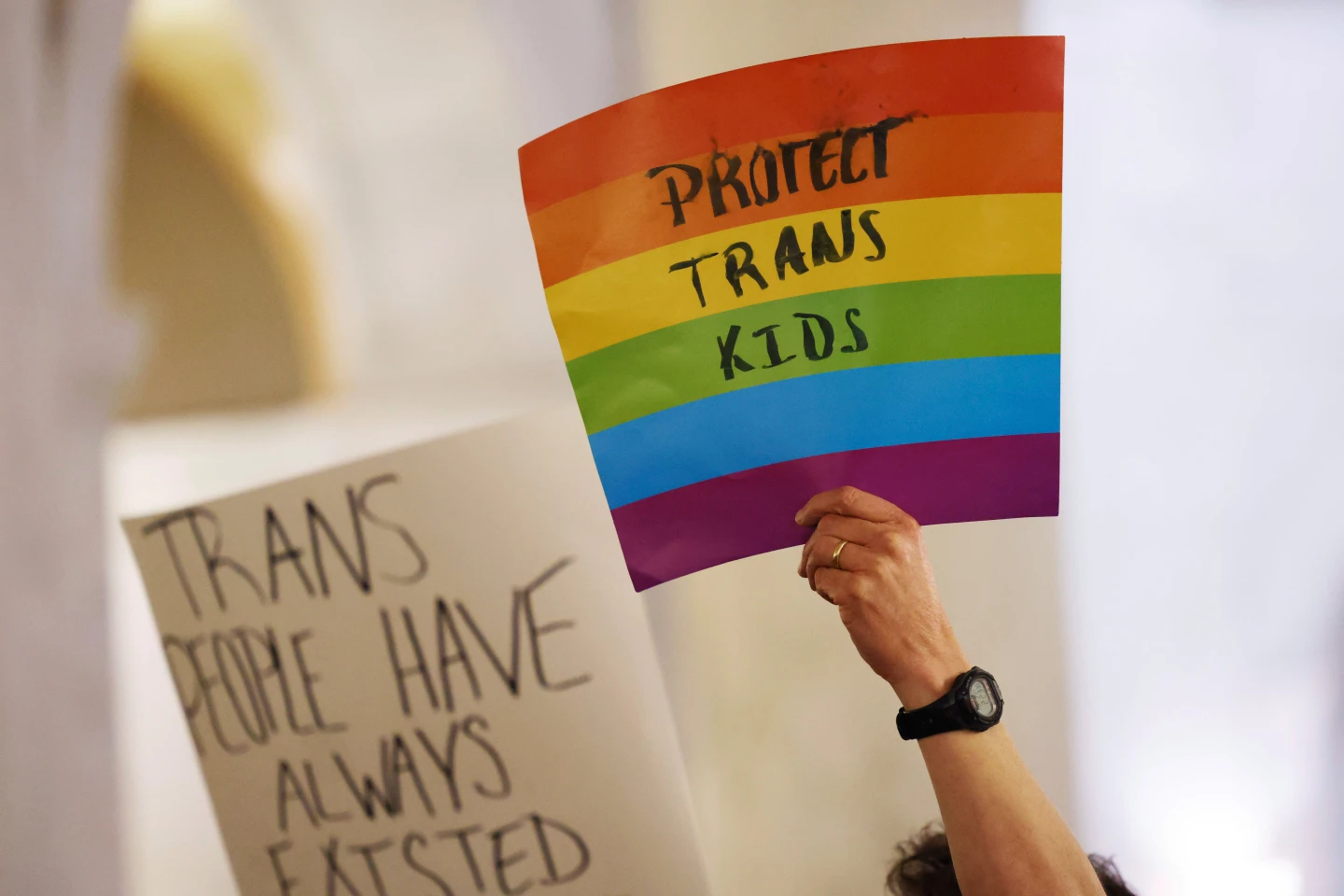
However, critics of the law, including political leaders and advocacy groups, emphasize that it poses discriminatory implications for transgender individuals, intersex, and nonbinary people, asserting that it may force individuals to misidentify themselves or disclose sensitive information.
As outlined by Rep. Zooey Zephyr, a transgender official in Montana, the law not only marginalizes trans and nonbinary identities but may also violate fundamental rights of recognition for these communities, complicating their interactions with legal systems.
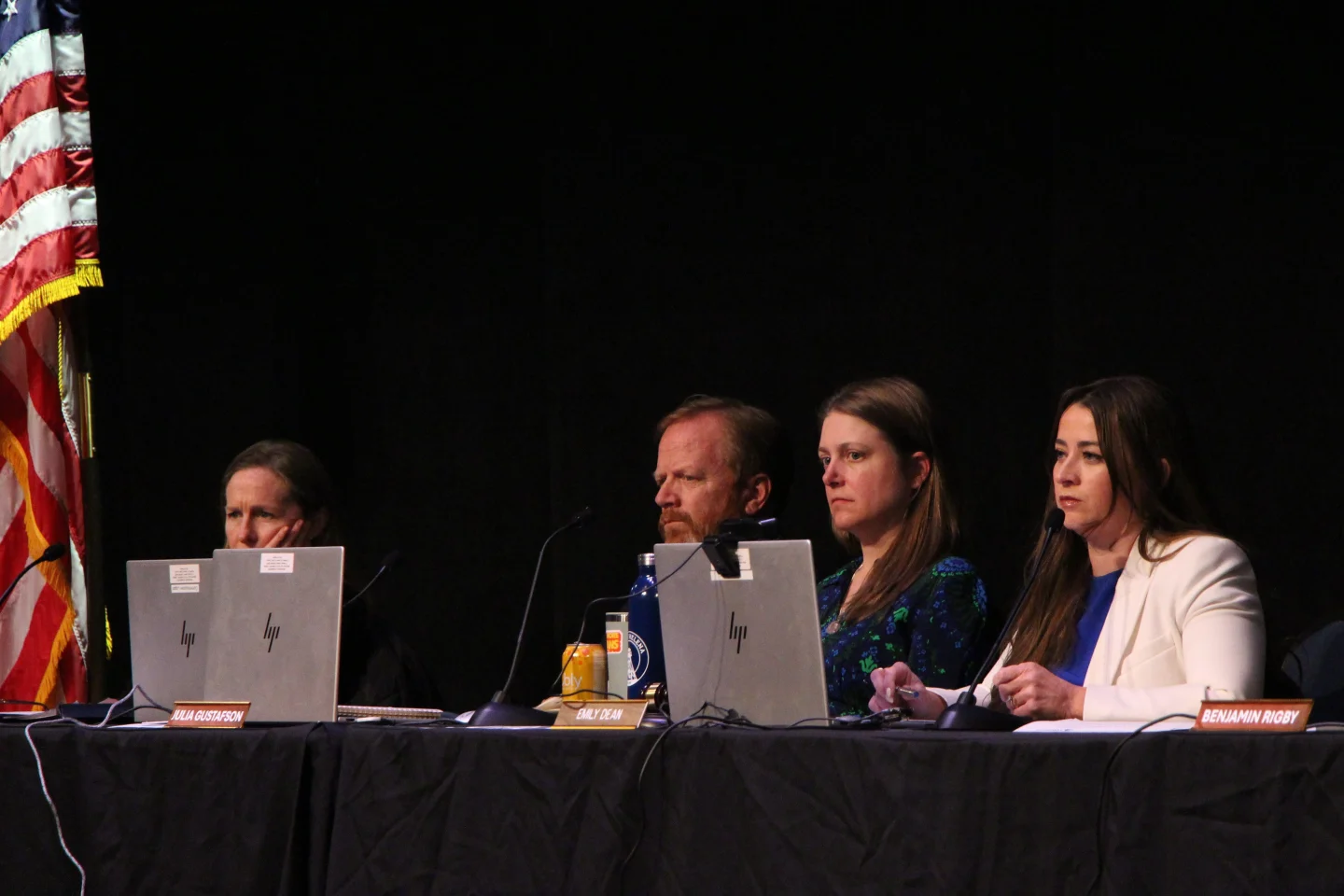
Legal analysts predict that a new wave of litigation will arise challenging the enforceability of SB 437. Rylee Sommers-Flanagan, executive director of Upper Seven Law, which previously challenged similar legislation, indicated that they would pursue further legal routes against this latest incarnation.
The law passed primarily along party lines, with Republican legislators in support and Democrats opposing, highlighting the deep political divides surrounding gender issues in the United States today. Sen. Carl Glimm, the bill’s sponsor, likened the definitions to similar federal stances proposed during the Trump administration, insisting that they reflect the sentiments of many Montanans concerned about gender identity fluidity.
The reception of SB 437 signals an ongoing and contentious debate within Montana—and across the nation—surrounding gender identity, individual rights, and the role of government in defining personal identity.