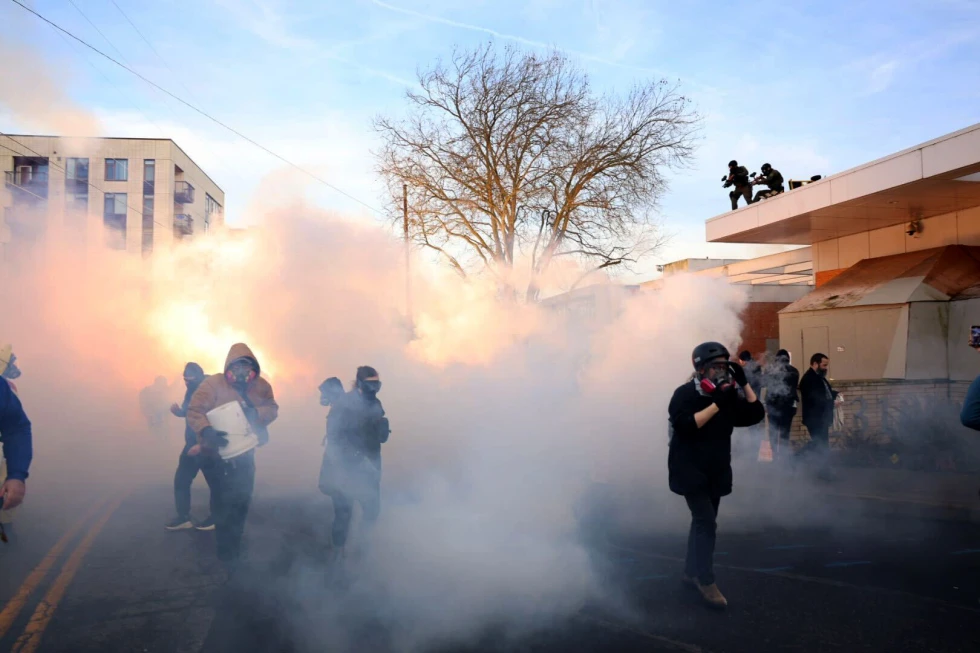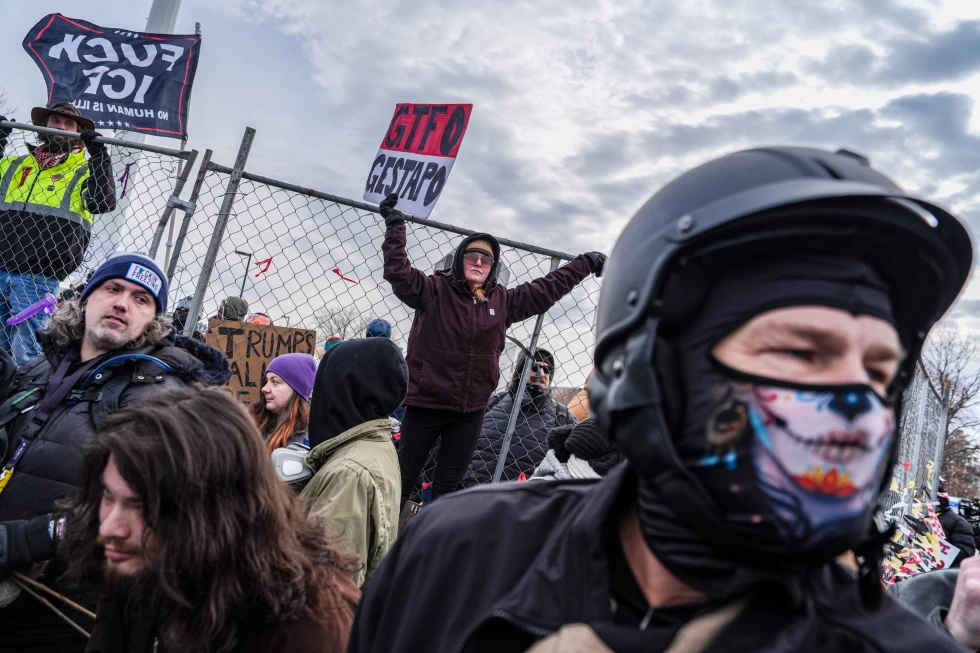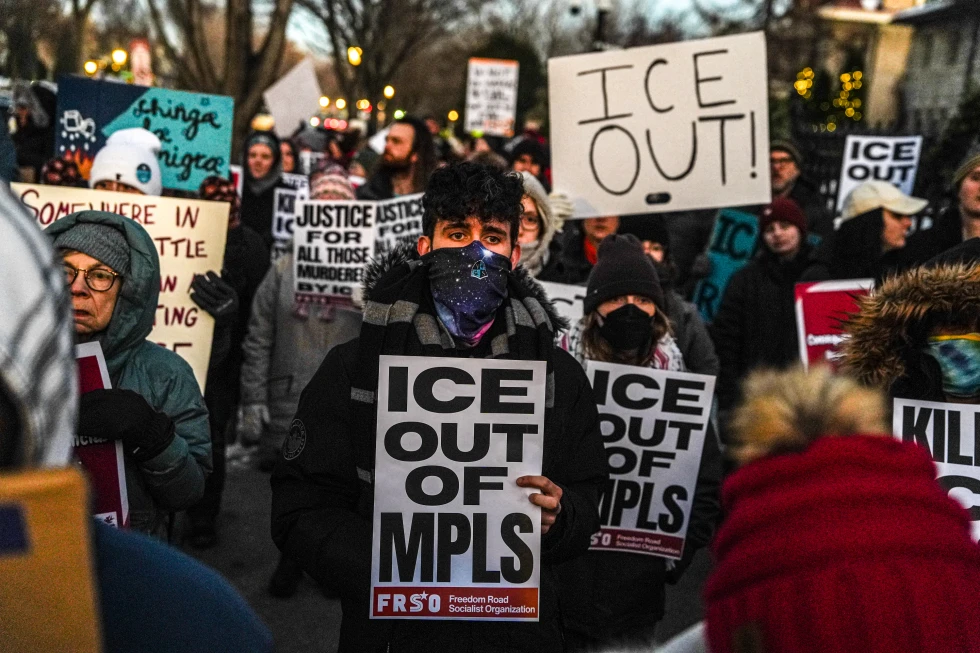
MINNEAPOLIS (AP) — Protests against immigration enforcement are planned for cities and towns across the country this Saturday, sparked by the fatal shooting of a woman by federal officers in Minneapolis and another incident involving multiple injuries in Portland, Oregon. Activist organizations are responding to what they describe as excessive and violent tactics employed by the U.S. Department of Homeland Security as it conducts extensive operations in immigrant communities.
Indivisible, a grassroots movement formed to resist the Trump administration's policies, is organizing events dubbed ICE Out for Good in various states, including Texas, New Mexico, Kansas, and Ohio. This mobilization signifies a growing backlash against the current administration's immigration enforcement strategy, which has intensified under claims of self-defense by officers during confrontations with deportees.
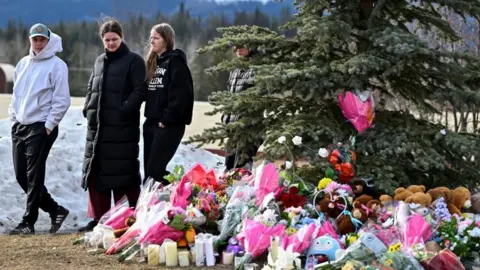
In Minneapolis, a coalition of migrant rights advocates is set to demonstrate at Powderhorn Park to honor 37-year-old Renee Good, the woman who lost her life in the recent shooting. Activists claim the event will not only commemorate her life but also advocate for an end to what they label as 'deadly terror' in their communities.
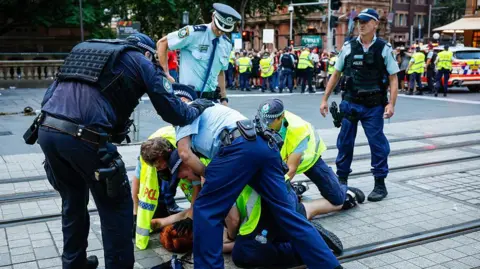
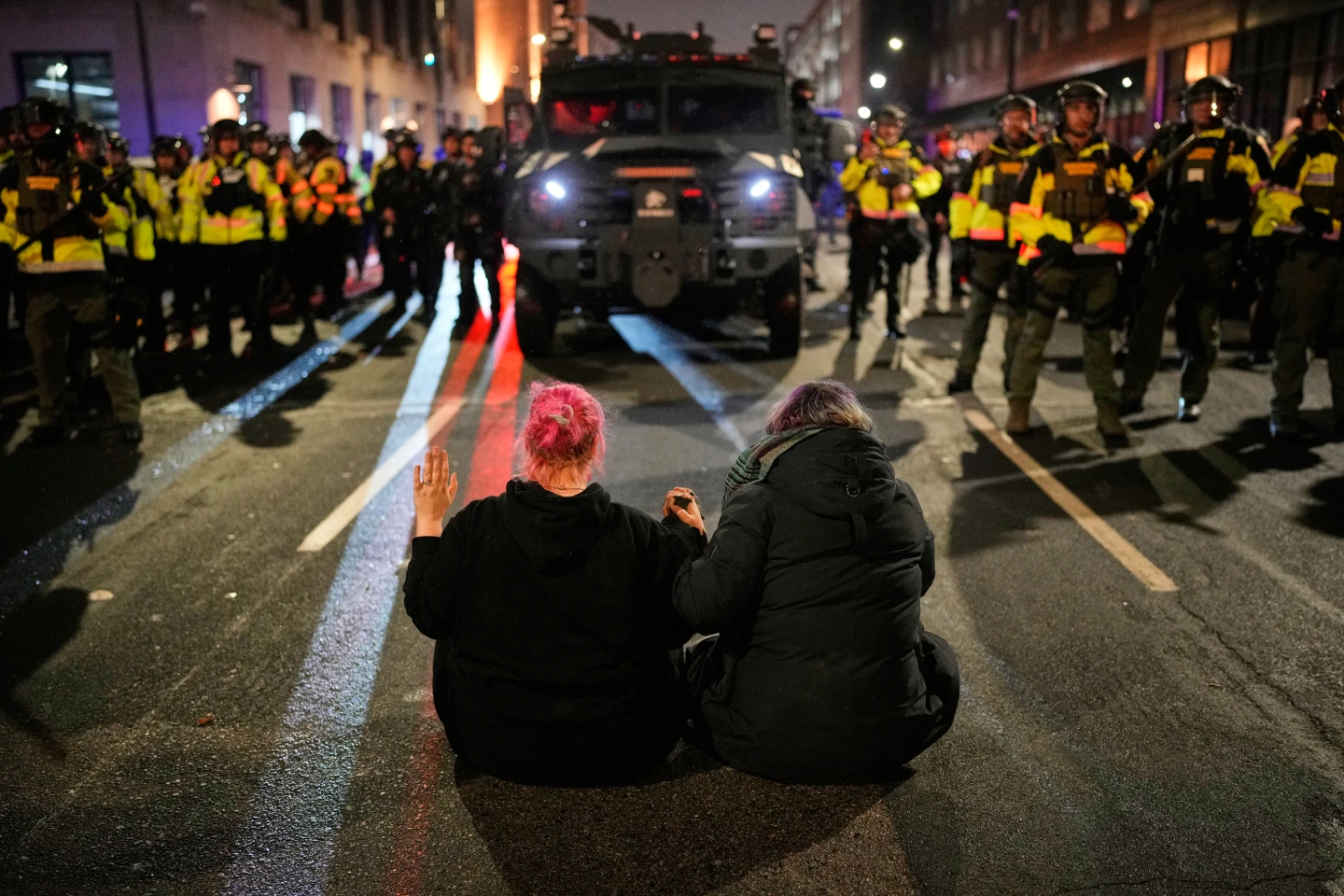
While initial protests have remained largely peaceful, recent clashes occurred, leading to scores of citations being issued. Police reported increasing tensions as demonstrators engaged with law enforcement near federal buildings involved in these operations.
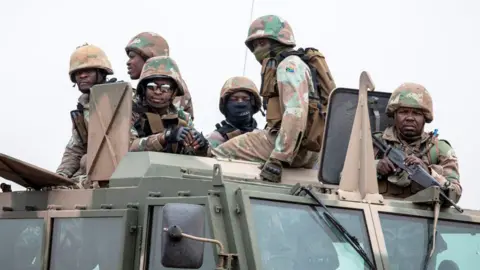
Federal immigration enforcement has ramped up significantly in Minnesota, with over 2,000 officers deployed as part of a crackdown influenced by allegations of fraud amongst Somali residents. This surge of personnel has fueled fears within local communities about increased harassment and violence against immigrants.
This wave of protests reflects deeper socio-political issues surrounding immigration policies in America, igniting discussions reminiscent of civil rights movements in the past. As activists voice their opposition to aggressive ICE tactics, the public debate continues to evolve over the implications of these operations on vulnerable communities.