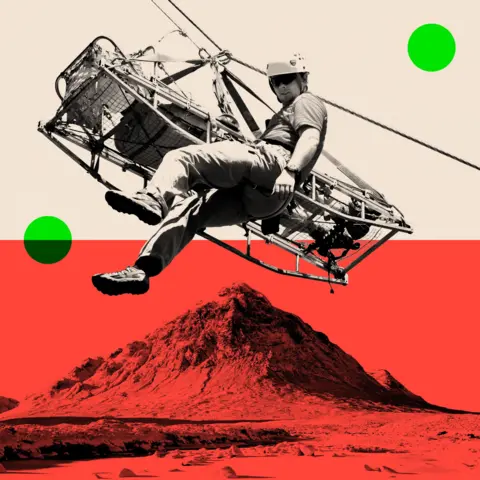
As more people are inspired by social media to explore the wild, mountain rescue operations are on the rise.
Recently, the CEO of Mountain Rescue England and Wales, Mike Park, recounts a typical rescue involving two walkers who ventured into the Lake District after finding a route on TikTok. Stuck on a hillside in shorts and t-shirts without adequate navigational tools and just a picnic, they found themselves in a life-threatening situation as night fell.
Park's rescue team successfully reached the pair, who had the presence of mind to call for help when their adventure took a wrong turn. This particular incident reflects a concerning trend, as more individuals undertake outdoor journeys without the necessary preparation, potentially placing themselves in danger.
Over the past years, there has been a notable increase in rescue callouts, doubling in the past decade and climbing to over 3,000 by 2024, particularly among young adults aged 18 to 24, who have become the most frequently rescued demographic.
Rescue teams face an uphill battle with increasing volunteer fatigue as they handle the rising number of incidents, which often stem from lack of experience and recklessness influenced by glamorous social media portrayals of hiking and mountaineering.
The conversation surrounding safety in outdoor activities raises critical questions regarding the responsibility of individuals versus the necessity for more robust warning signs and regulations to protect naive adventurers from the mountains’ unpredictability.
Influencers on platforms like Instagram and TikTok, showcasing picturesque landscapes, have ignited a desire for adventure, but Park warns that the thrill should not come at the expense of preparation. Discussions are ongoing about the potential need for safety measures, such as clearer signage in perilous areas, echoing calls from coroner reports emphasizing the importance of informing the public about the dangers associated with hiking.
As social media continues to play a role in driving outdoor adventures, it becomes crucial to promote awareness of safety and preparedness while balancing encouragement of exploration in nature.