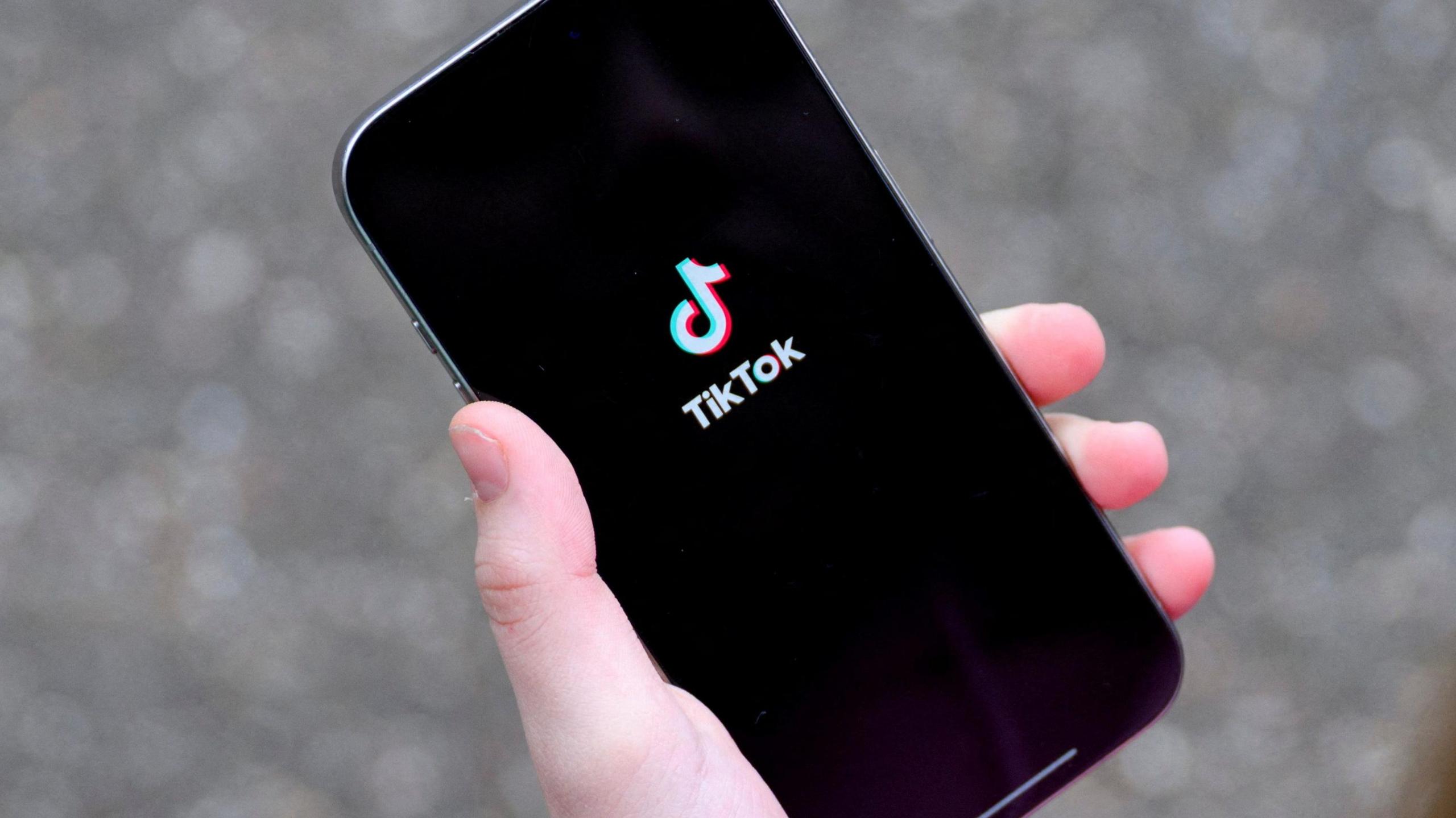
New Zealand is set to introduce a bill that would prohibit users under 16 from accessing social media platforms such as TikTok, Instagram, Snapchat and Facebook.
The legislation, introduced under the Online Safety Bill, requires companies to verify age using account data, facial‑recognition techniques and digital identity checks. Failure to comply could trigger fines of up to 10 per cent of a platform’s global revenue.
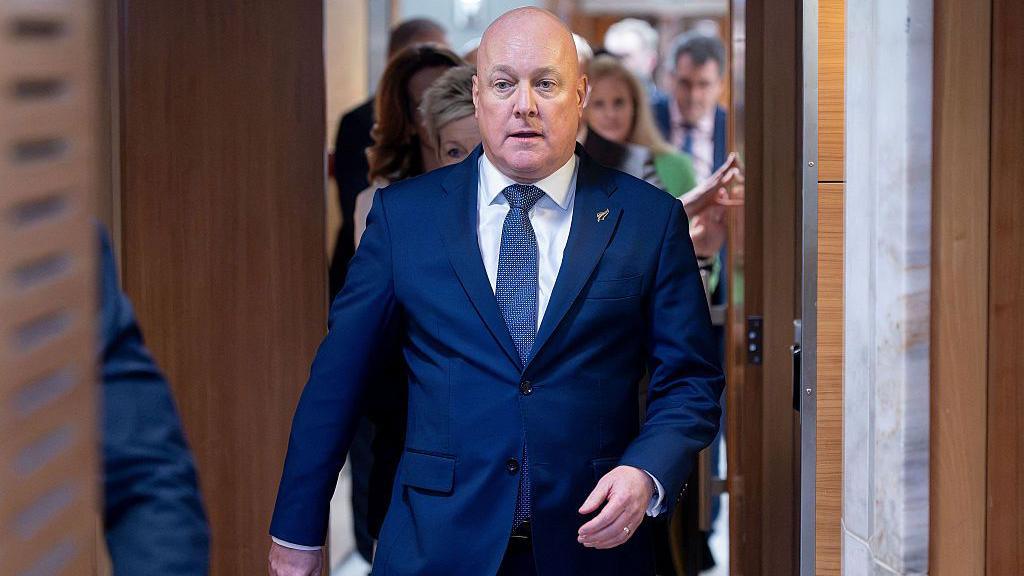
Prime Minister Christopher Luxon criticised the “harmful content” and “addictive technology” that he says affects children’s mental health, sleep and education, arguing that‑like real‑world protections should apply online.
While the proposal echoes Australia’s 2023 under‑16 ban, many New Zealand parties – including the conservative Act and the New Zealand First coalition partner – have pledged to vote against the bill, citing concerns over compliance challenges and a slippery‑slope to broader censorship.
Legally, the bill also compels platforms to assess the “risk levels” they pose and publish annual reports showing how they mitigate those risks. No penalties appear to target parents or users directly.
Internationally, a wave of restrictions is emerging: the UK and Greece are slated to introduce their own policies next year, while France’s court recently struck down a similar ban for under‑15s on the grounds of free expression.
Whether the New Zealand reform will pass remains uncertain. With the bill slated for its first parliamentary debate on Monday, observers note that enforcement strategies, technological feasibility and dissenting political voices will determine its ultimate fate.