In brief
Police in Delhi moved to detain several opposition MPs who were marching toward the Election Commission headquarters demanding the resignation of Chief Election Commissioner Gyanesh Kumar over the controversial voter‑roll revision. Rahul Gandhi and his sister Priyanka were among those placed on a police bus before being released to continue the sit‑in. Critics argue the Commission’s Special Intensive Revision (SIR) unfairly removes eligible voters and benefits Prime Minister Narendra Modi’s BJP, a claim the government and Commission have denied. A Supreme Court petition now questions whether Kumar exercised unilateral powers, adding judicial scrutiny to an already heated political clash.
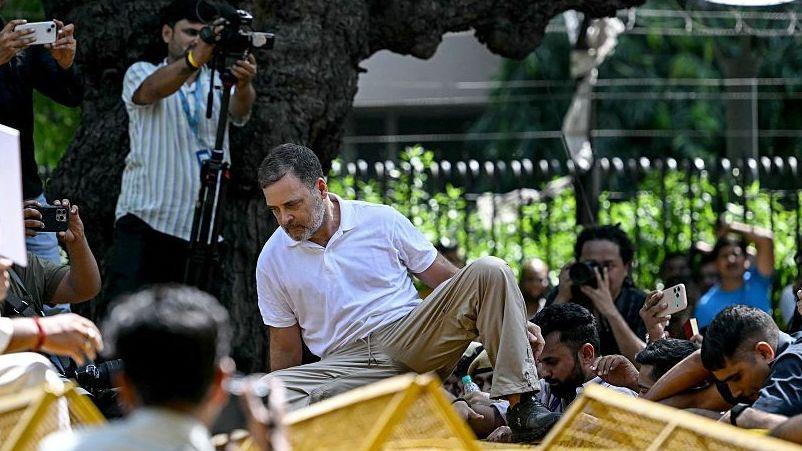
Police in Delhi detained several opposition lawmakers amid a march demanding the resignation of chief election commissioner Gyanesh Kumar, over a contested voter‑roll revision.
Rahul Gandhi, his sister Priyanka and others who had begun a sit‑in at the Election Commission headquarters were first forced onto a police bus before being released and resuming the demonstration.
The protest is part of a wider crisis over the Commission’s Special Intensive Revision (SIR), which critics accuse of removing eligible voters and benefiting Prime Minister Narendra Modi’s BJP.
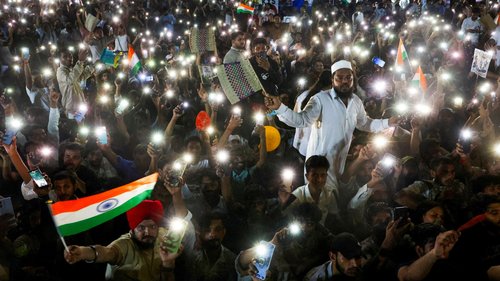
Opposition MPs claimed that 237 members from multiple parties joined the march, but police did not disclose how many were held.
An Indian Express report has revealed that election commissioners Sukhbir Singh Sandhu and Vivek Joshi recorded more than 14 objections over a ten‑month period to decisions allegedly taken without their approval.
The Supreme Court has now asked the government and the Commission to answer a petition questioning Kumar’s unilateral exercise of power.
With roads blocked and security heightened, the opposition’s stance remains firm: the chief election commissioner must step down, the SIR exercise must be cancelled and voting should return to paper ballots.
In the aftermath, the BJP has branded the protests as "anarchy" and questioned the integrity of India’s democratic institutions.