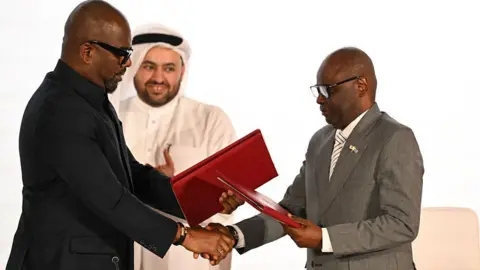
The Democratic Republic of Congo (DRC) government and the Rwandan-backed M23 rebels have embarked on a new phase in their relationship by signing a peace framework in Qatar. This event marks a pivotal moment in the ongoing struggle for stability in eastern Congo, a region plagued by violence and instability over the last few decades.
The signing took place at the Sheraton Hotel in Doha, with representatives from both sides present to finalize an agreement aimed at ceasing hostilities and establishing a framework for a more peaceful coexistence. Qatar, along with the United States and African Union, has played a mediating role in the pursuit of an end to the longstanding conflict that has major implications for regional peace and security.
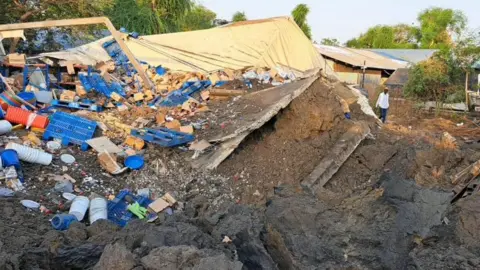
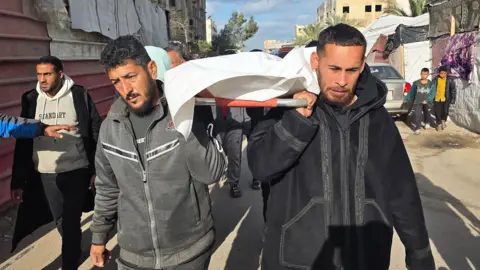
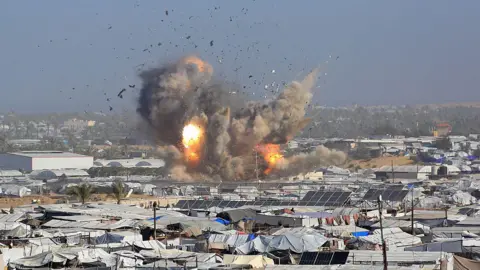
Earlier this year, the M23 rebel group seized control of significant cities in eastern Congo, including Goma and Bukavu, leading to intensified combat and displacement for hundreds of thousands of civilians. Past peace efforts have consistently faltered, raising concerns among international mediators about the viability of any new agreements.
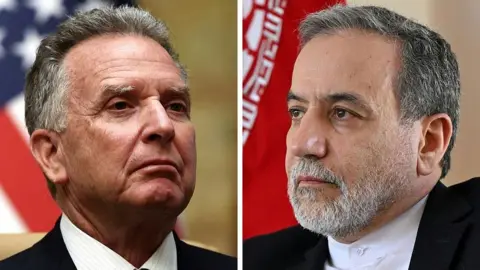
U.S. Africa envoy Massad Boulos indicated that the newly signed framework includes eight essential protocols, though many details still require negotiation. The envoy acknowledged slow progress on matters like prisoner exchanges and ceasefire monitoring, underlining the complex dynamics that persist.
The DRC's demands include the withdrawal of Rwandan forces from its territory, which Rwanda asserts can only occur following the disbandment of the FDLR, a rebel militia reportedly linked to the 1994 Rwandan genocide.
This framework not only focuses on military issues but also emphasizes humanitarian access, the repatriation of displaced populations, and the protection of judicial systems within the DRC. It builds upon earlier agreements from July and October, which sought to outline ceasefire monitoring protocols.
The M23, despite not being directly involved in the U.S.-mediated ceasefire, views the Qatar-led discussions as instrumental in addressing the conflict's underlying causes. Renewed violence escalated sharply in January when M23 rebels captured substantial territories in eastern DRC.
With thousands already killed and many more displaced, the stakes remain high for the DRC as it navigates relationships with neighboring Rwanda and local armed groups. The international community is keenly watching these developments, particularly given the region's wealth of resources critical to global industries.
Rwanda continues to deny providing support to M23 forces, despite widespread allegations and evidence suggesting otherwise. They maintain that their military actions are defensive, aimed at countering threats posed by various armed factions in the region.