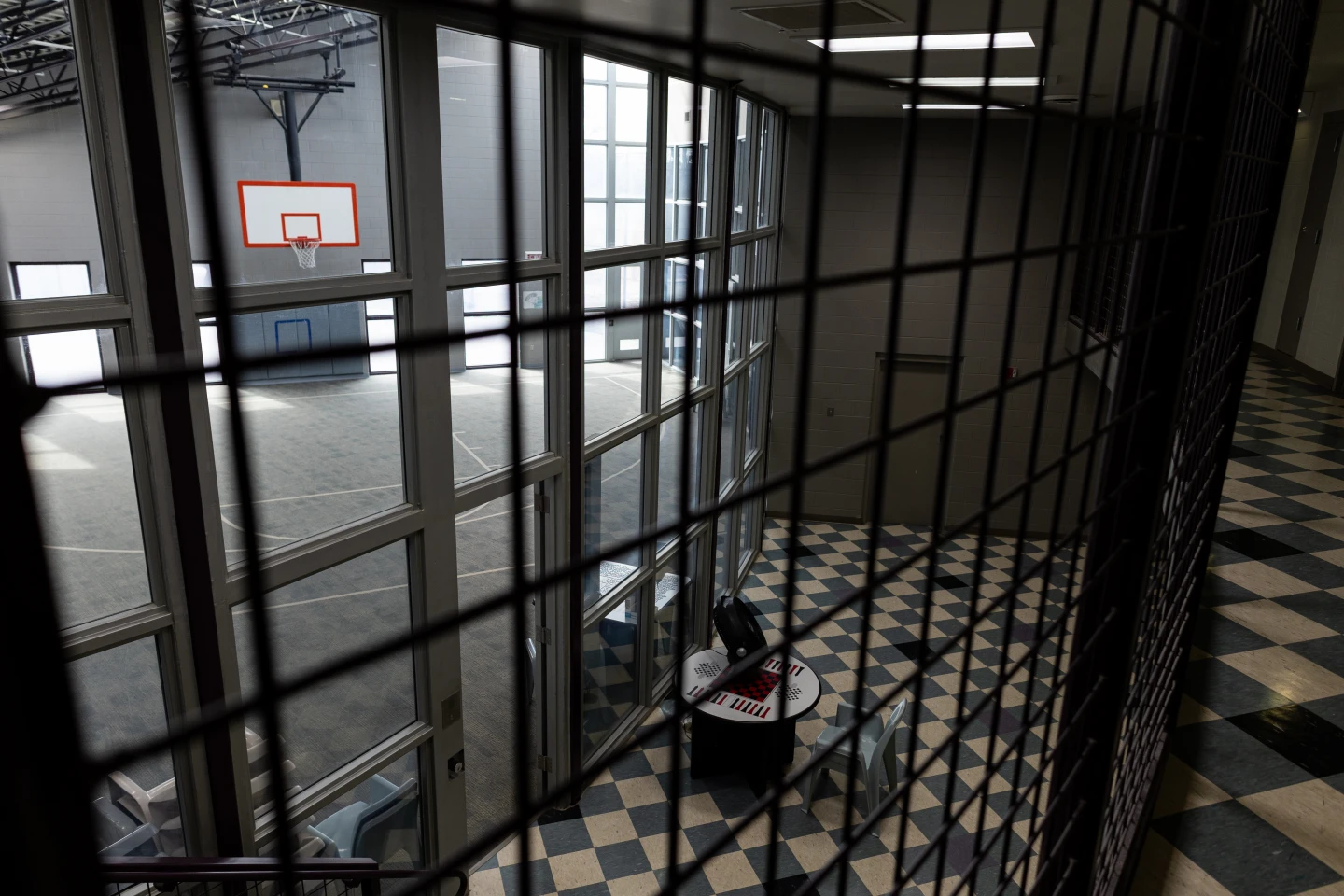
Across the United States, a growing number of for‑profit residential facilities that market themselves as treatment centers for severe behavioral and mental health conditions are tapping into special‑education funds intended for students with disabilities. A recent investigation indicates that this practice persists despite increasing scrutiny over the safety and quality of such private institutions, a phenomenon made possible by fragmented oversight and loopholes in federal law.
The Individuals with Disabilities Education Act (IDEA) authorizes school districts, states and the federal government to place students who need specialized support in residential settings that meet their Individualized Education Program (IEP) needs. However, the law largely entrusts districts with ensuring that the money is spent appropriately, leaving private providers with little regulatory scrutiny. Between 2022‑2025, it was found that only about half of the states have a formal certification process for residential placements, and very few require on‑site inspections. Most policies focus on educational service delivery while ignoring building codes or staff background checks.
In many cases, these facilities draw heavily from out‑of‑state students, a practice that complicates oversight. For example, Calo Programs, a large residential treatment center in Lake Ozarks, Missouri, reports accepting children from more than 30 states, noting that a mix of Illinois and California funds paid for at least 24 of its students in 2025. According to the Missouri Department of Elementary and Secondary Education, only two in‑state students had been placed at Calo in the past decade.
“(C)hildren enter and exit these institutions frequently,” said a spokesperson for the Maine Department of Education, underscoring the dynamic nature of placements and the challenge of tracking them. The ambiguity surrounding the “emotional disturbance” classification—an all‑encompassing disability category that can cover anything from depression to defiant behavior—makes it easier for centers to broaden the scope of students they serve. Professors and advocates warn that this terminological flexibility dilutes accountability and may misclassify students’ needs.
Experts point to the role played by private educational consultants in bridging families and treatment facilities. The Oregon practice of registering consultants and banning industry payments meant to influence referrals was flagged as key to exposing a “big racket.” According to Oregon State Senator Sara Gelser‑Blouin, the industry‑backed consultants often recommend facilities that pay them a substantial commission, creating a conflict of interest that can compromise the selection of appropriate services for vulnerable students. Calo denied having any financial ties to consultants, stating that any partnership is strictly focused on family support, but the presence of consultant networks raises questions about the incentive structure for referrals.
State intervention varies. In California, ongoing advocacy has demanded stricter oversight of out‑of‑state placements; legislation now requires school officials to interview students in person and conduct quarterly, unmonitored phone check‑ins. Yet the state still reports nearly 300 California students in the current school year who are placed out of state. Senator Shannon Grove criticized the lack of face‑to‑face interaction, labeling it unacceptable and noting that youth can be placed for several years without any direct supervision.
Supporters of regulatory tightening argue that the current system exposes children to harm—both physical and emotional—without adequate adult oversight. The crisis is magnified by the fact that families often pay out of pocket for these placements, while the bulk of the funding originates from public budgets earmarked for educational support.
Callers for reform ask for comprehensive oversight mechanisms: mandatory on‑site visits, clear criteria for previously unclassified disability categories, and transparent vetting of both facilities and consultants. The investigation stresses that without these safeguards, students remain at risk of unapproved medical treatment, inadequate care, and potential abuse.
As the national conversation unfolds, state legislatures and advocacy groups alike are reevaluating the balance between specialized educational support and safeguarding vulnerable youth. The findings underscore the need for a coherent framework that ensures public funds serve their intended purpose—educational and developmental benefits—while explicitly protecting those they are designed to help.
}