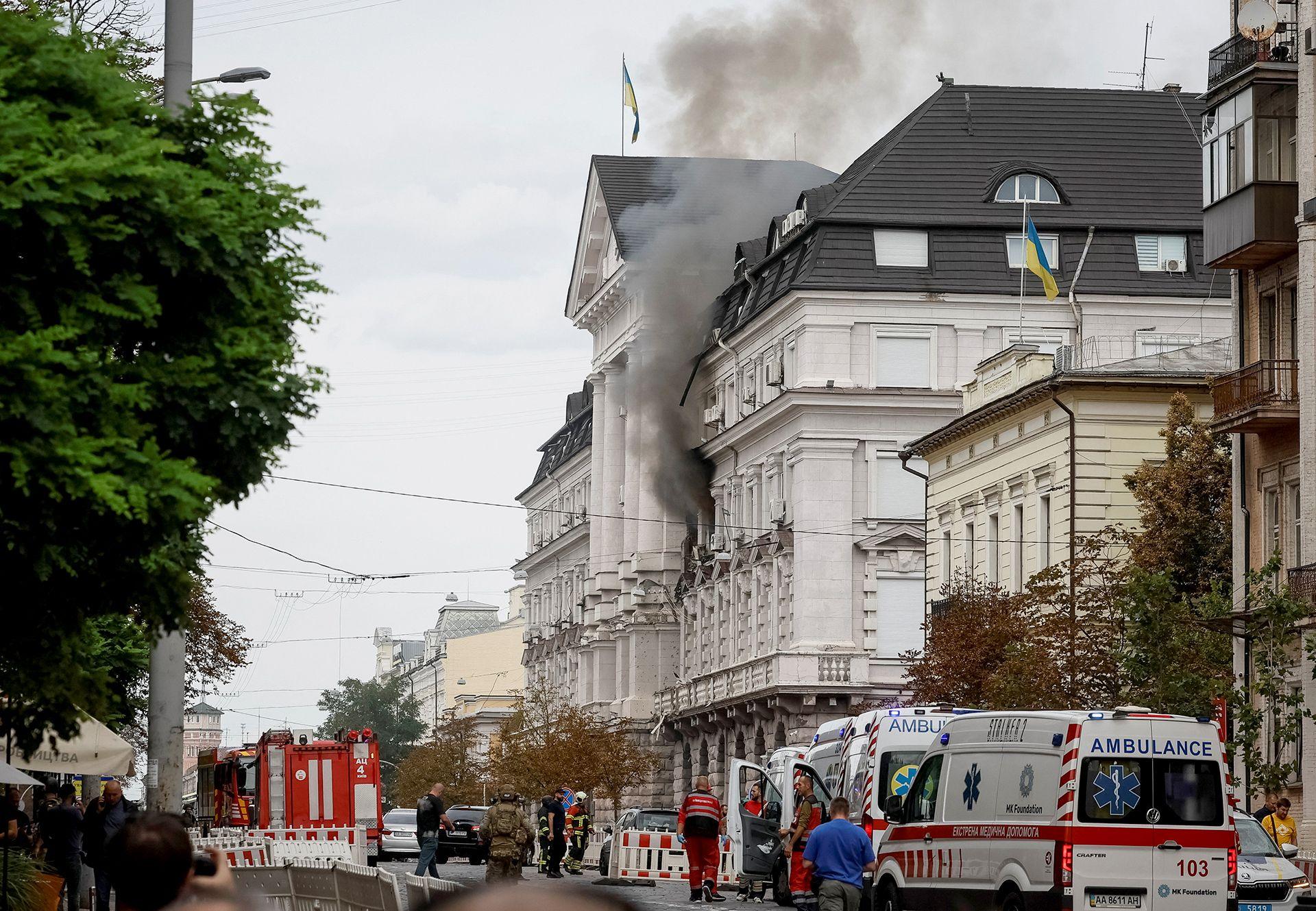
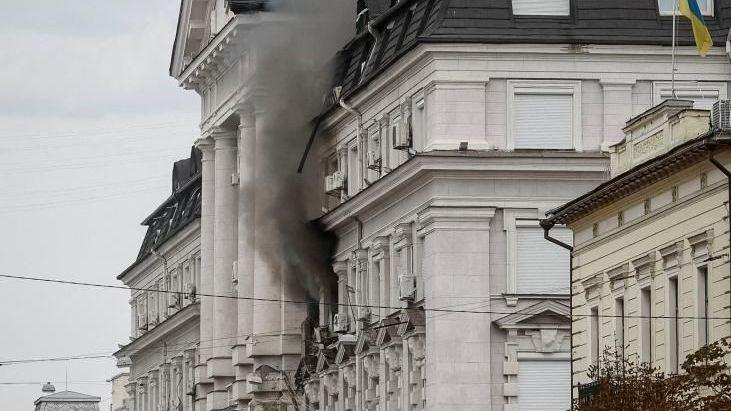
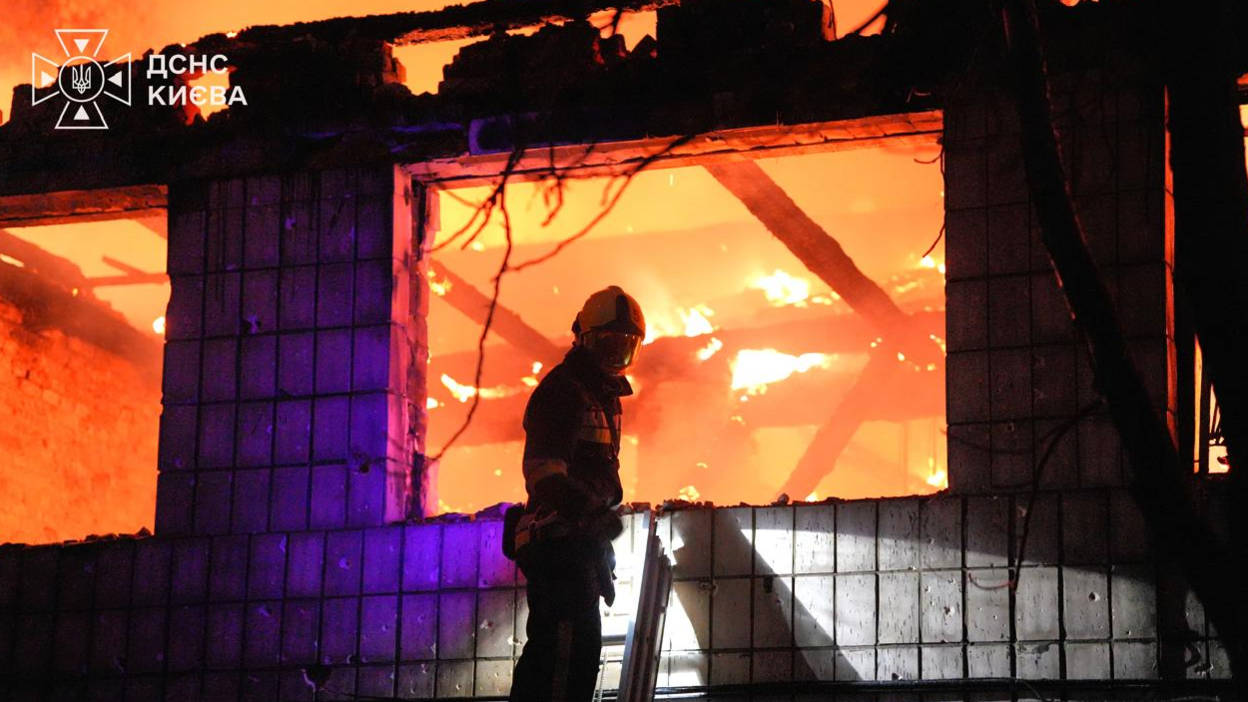
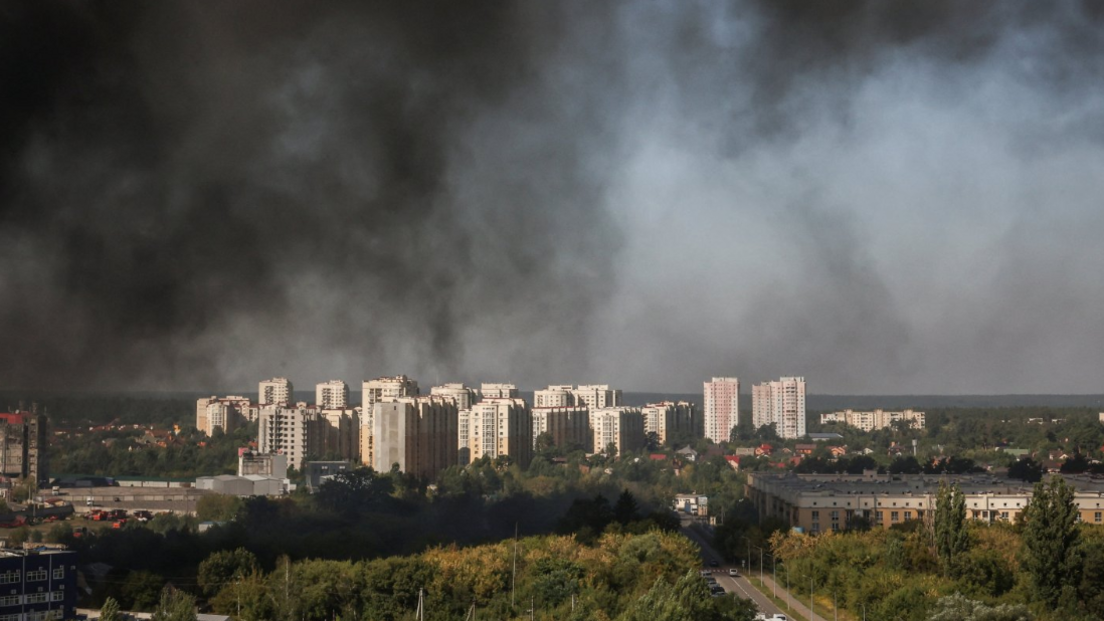
On the night of 8 August 2026, Russian ballistic missiles struck the eastern suburbs of Kyiv, killing three civilians, a child included, and injuring three further people. The assault was part of a broader pattern of raids that have intensified amid a shortage of Western‑donated interceptor missiles.
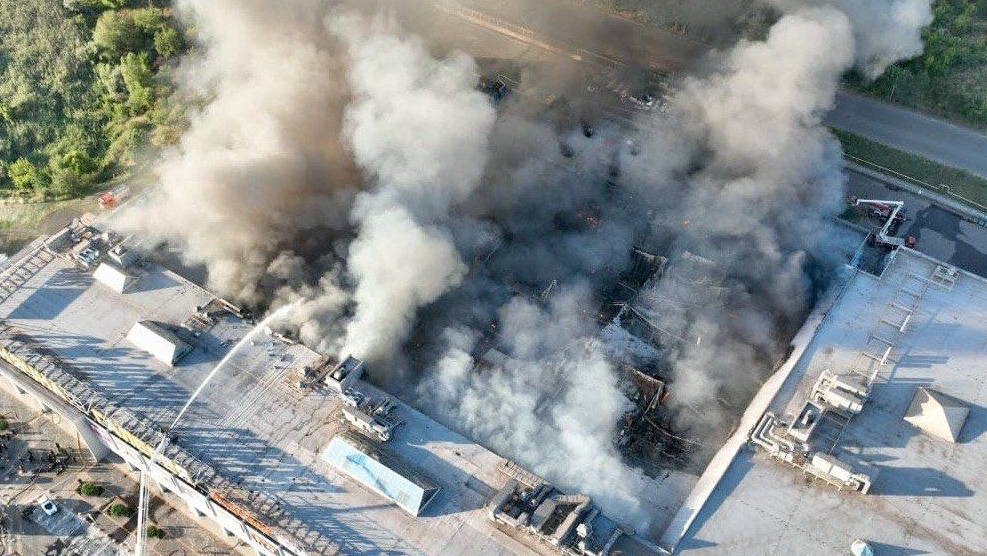
Ukrainian Defence Ministry officials reported that the missiles had landed in the Holosiivskyi district, setting fire to a series of garages and igniting large piles of combustible material. Fire crews rushed in to contain the blaze but the damage was extensive.
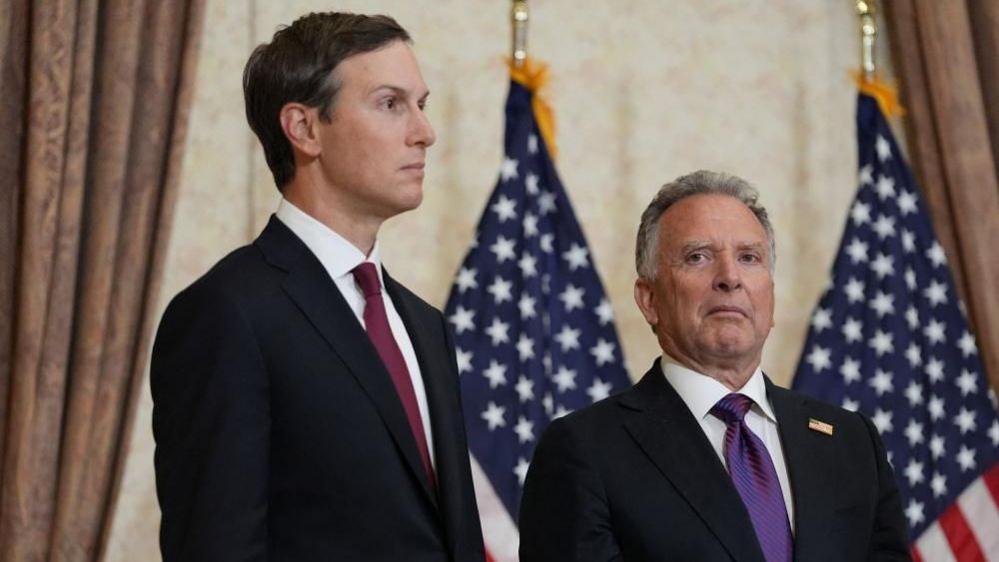
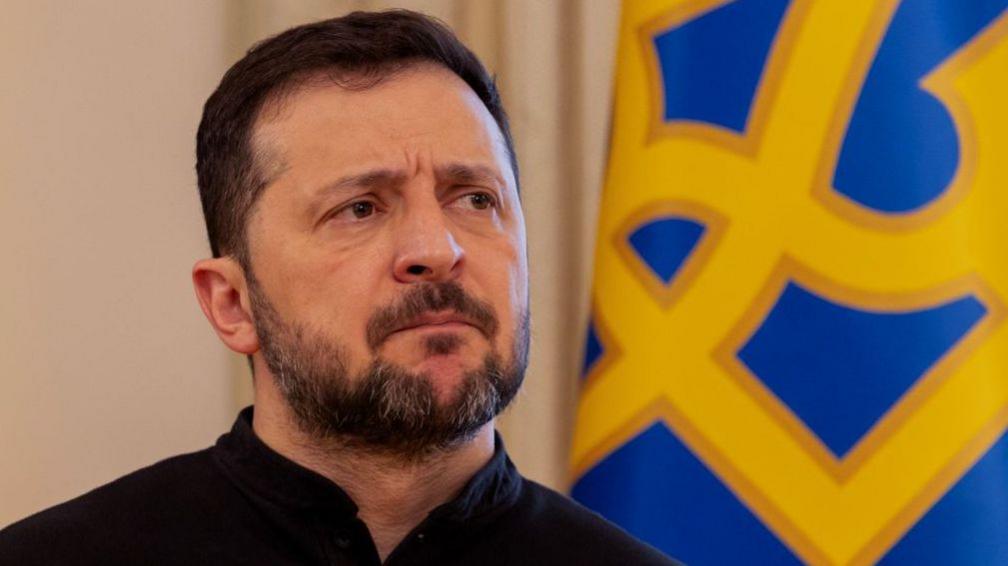
The incident follows President Volodymyr Zelensky’s recent appeal to the United States for additional Patriot missile systems. After a pause that came after President Donald Trump’s decision to postpone the supply of defensive weapons, Zelensky underscored that Ukraine’s current reserves are diminishing, citing a significant decline in the number of interceptors stocked by its allies.
West‑European nations have stepped in to supply costly air‑defence equipment, while direct military aid from the United States has taken a back seat. Zelensky noted that his country is uncertain about building its own missile production capacity, but stresses that further funding for this purpose is urgently required.
The strike de‑emphasises the ongoing debate over how best to support Ukraine. On the one hand, there are calls for increased military aid to resist Russian advances; on the other, some argue that high‑level diplomatic engagement is necessary to relieve the broader conflict. The result has been a sharp escalation in the pattern of strikes, as Russian forces resume targeting Ukrainian infrastructure to undermine Moscow’s war economy.
Attacks on facilities such as the Ilchik oil refinery and the Syzran refinery have illustrated Ukraine’s strategy to strike directly into Russian‑controlled territory. The forces behind these strikes have not been conclusively identified, but the use of drone technology is evident. The most recent incident involved a drone that slipped into Bulgarian airspace before exploding near a gas pipeline, allegedly carrying an explosive payload, though the country denied user attribution.
The conflict’s reach has extended beyond Ukraine’s borders, prompting concerns about neighbouring states becoming embroiled. While Russia has repeatedly denied responsibility in many of these cross‑border incidents, the risk of accidental escalation remains high.