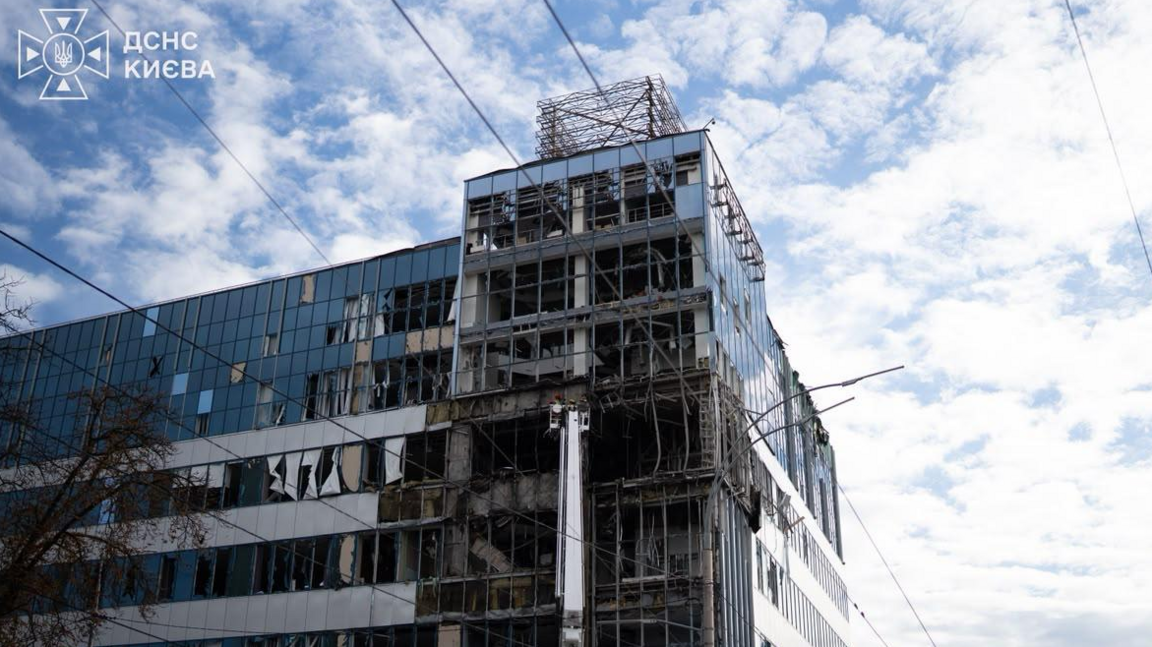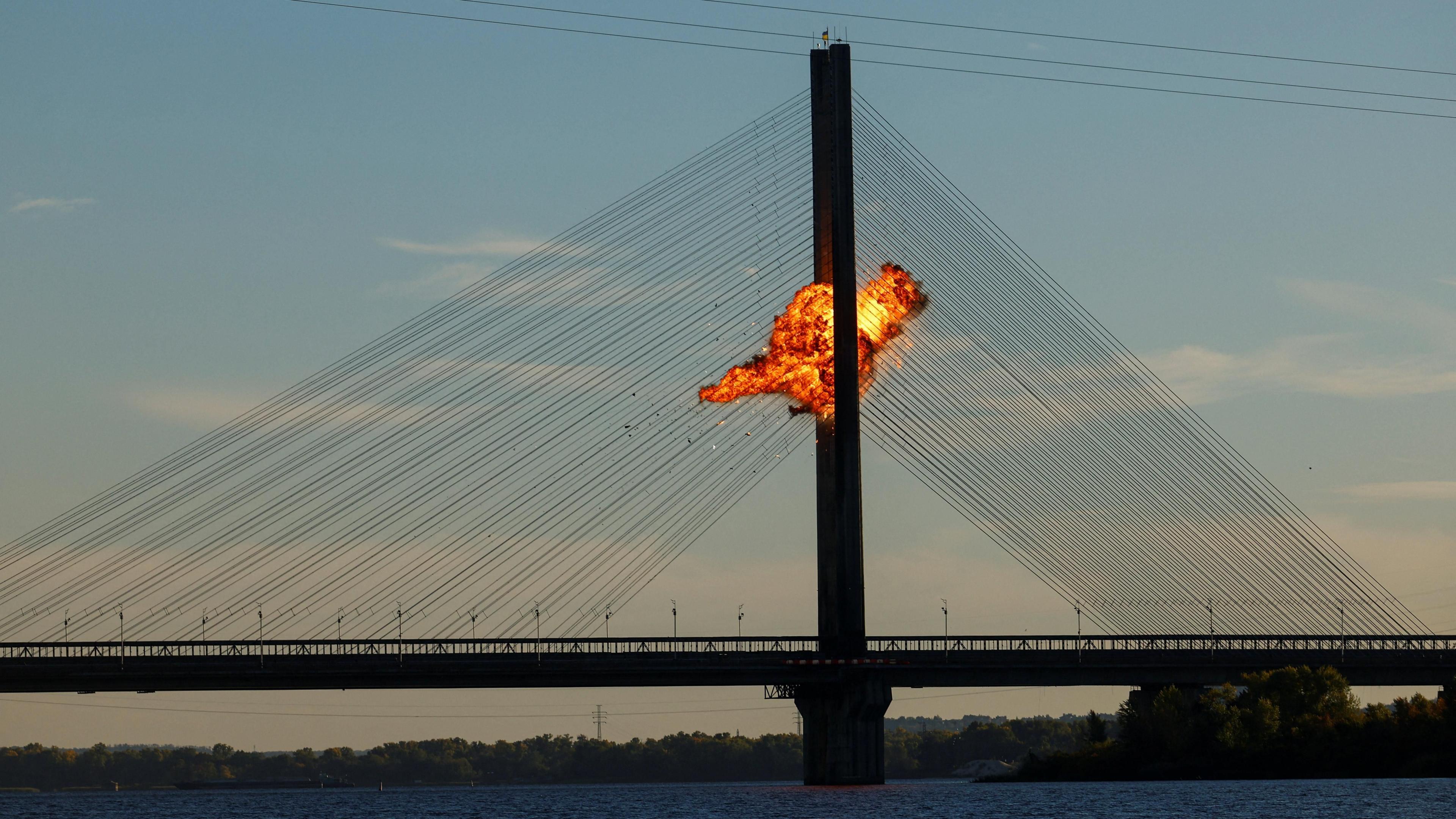
Russian drone and missile attacks are escalating, Kyiv’s mayor Vitaliy Klitschko warned, describing the capital as being torn apart. “It is a very dramatic situation,” he said, citing attacks on the city’s critical infrastructure, logistics ports, housing and communication hubs.
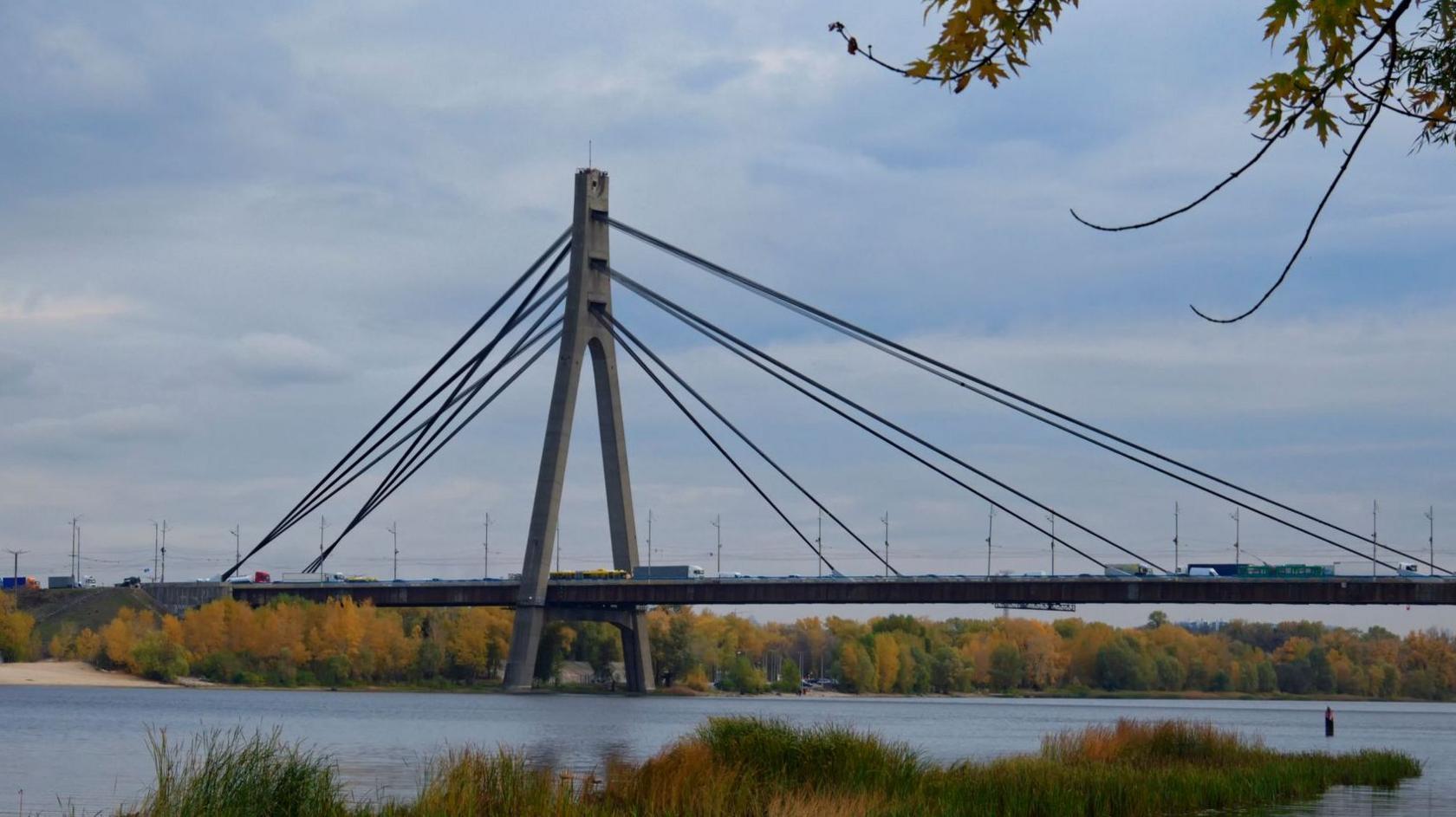
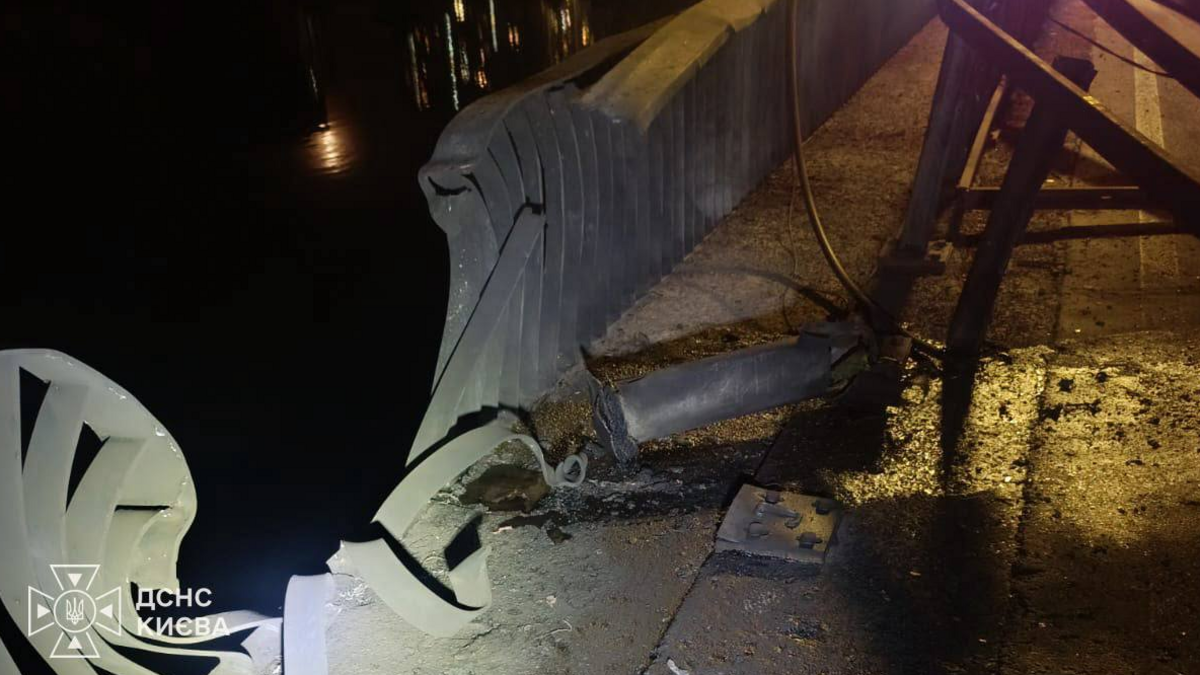
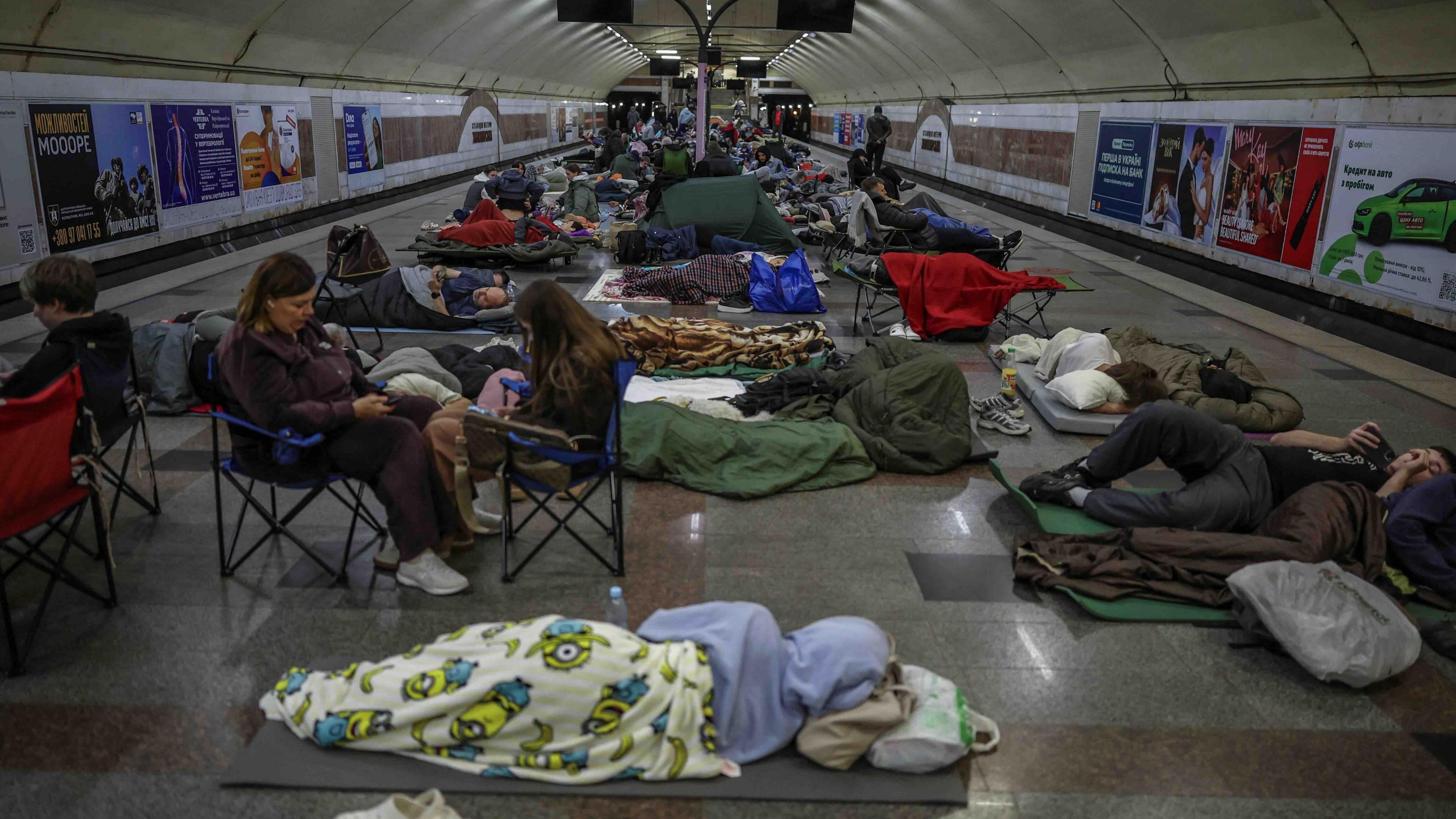
The remarks followed a crisis meeting of Kyiv’s defence council. A drone previously hit the cables of the city’s Pivdennyi (Southern) bridge, and a second strike the following evening brought traffic to a halt. All metro and automobile traffic across the bridge was suspended, and restrictions were imposed on the other two key bridges that span the Dnipro River.
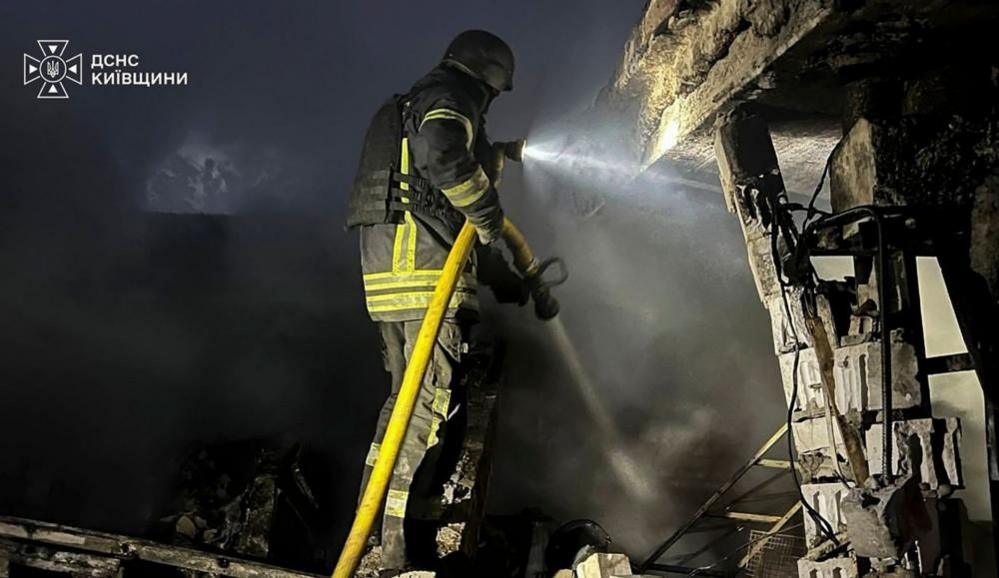
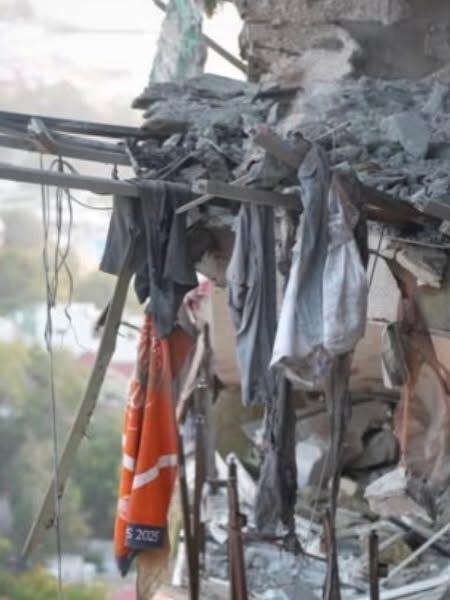
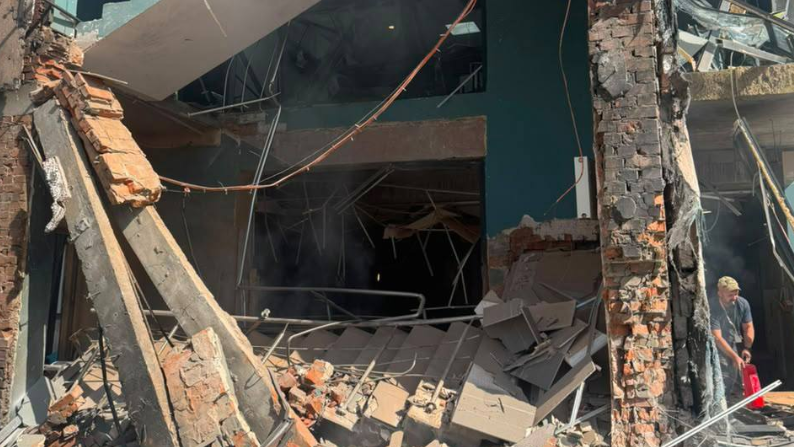
The city’s data centres also sustained damage, leading to widespread internet outages. A multi‑storey residential building was hit overnight, resulting in the first confirmed death inside the capital’s boundaries.
President Volodymyr Zelensky has framed the attacks as retaliation for Ukrainian strikes on Russian oil facilities, while Russian President Vladimir Putin insists that Kyiv is operating under a strategy of scorched‑earth “independent energy.” Putin claims the bombings are a direct response to Ukrainian attacks on Russian refineries, which he says have sliced Russia’s GDP by about 1 percent.
The mayor reiterated that the capital would prevail but only through the joint efforts of its resilient population. He described the goal of Russian bombing campaigns as “sowing panic” and urged for national solidarity.
With an estimated population of three million, Kyiv’s disruption of transport and communication is felt across the eastern and western halves of the city. The city’s three main bridges – Metro, Paton and Darnytskyi – still remain in use, though traffic is heavily restricted.
The attacks highlight the decisive shift in the conflict: Ukraine’s surface‑limited energy raids met with a wave of foundational Russian attacks on the heart of the Ukrainian capital.