In brief
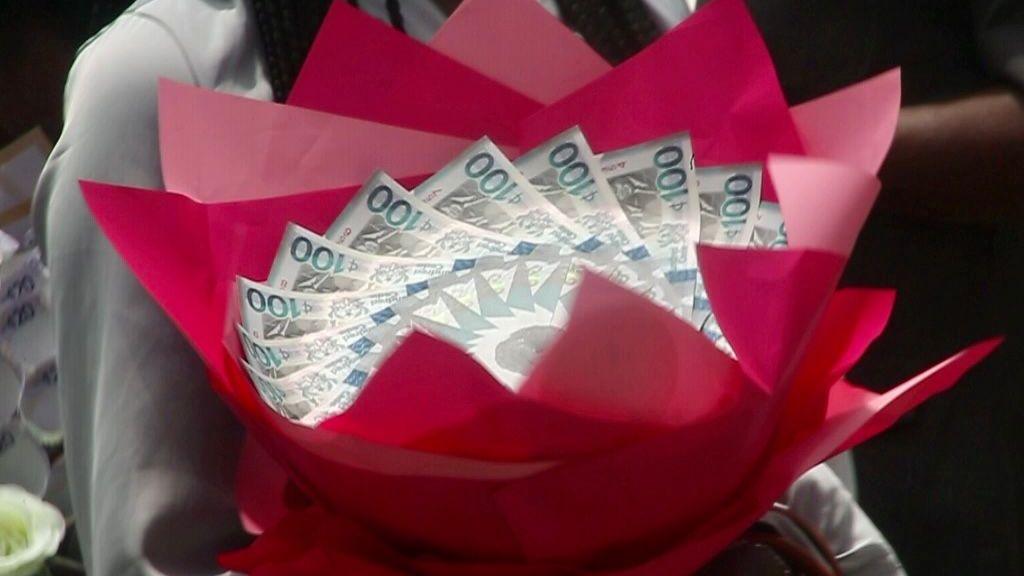
Accra police have detained seven women accused of producing and selling elaborate bouquets made from Ghanaian cedi banknotes. The Bank of Ghana deems the practice illegal, citing misuse of currency and potential depreciation of its value. Authorities warn that those aiding these activities may face fines or jail, with prosecutors ready to bring charges. The case follows the bank’s 2024 notice against decorative money use amid growing trend across Africa.
Accra police have detained seven women accused of producing and selling decorative bouquets made from Ghanaian cedi banknotes.
The Bank of Ghana warned in July that using banknotes for floral arrangements or cake decor is illegal and amounts to misuse of the national currency, potentially undermining its value.
In a coordinated operation, police carried out a swoop on suspects after receiving a tip‑off. All arrested are women who allegedly sold the bouquets across different parts of Accra.
The arrest marks the largest enforcement action to date against currency misuse in Ghana. The suspects face possible fines or jail terms, depending on court proceedings.
Dinah Bonzi, an official in the Bank of Ghana’s currency department, said anyone who helps or promotes such activities could also be prosecuted.
"The Ghana cedi is legal tender and must be treated with respect. Misuse of the currency is an offence that may attract sanctions under the law," she said.
Authorities emphasize that activities like ‘spraying’ cash at events, inserting notes into decorations, and altering banknotes are prohibited.
There has been a rise in using money decorations across the continent, with Kenya, Nigeria, South Africa and Botswana also issuing warnings against similar practices.