In brief
The six‑passenger medical transport, operated by Latitude Air Ambulance, disappeared after flight 104's last transmission at 01:00 local time. Coast Guard authorities ended a search off Nantucket and identified a debris field. Reports indicate a sudden altitude drop from 23,000ft to 11,000ft and unresolved communication failures. All occupants—four Canadians and two Bermudians—are presumed dead, with authorities seeking to identify the cause while families cope with the tragedy.
The Gulfstream G‑100 medical transport that departed Bermuda’s L.F. Wade International Airport at 23:40 Friday inhabited a crew of four Canadian nationals and a patient with a family escort from Bermuda. The flight, scheduled to land at Boston’s Logan International Airport around 01:30 GMT, lost contact with the FAA just after 01:00 local time on Saturday.
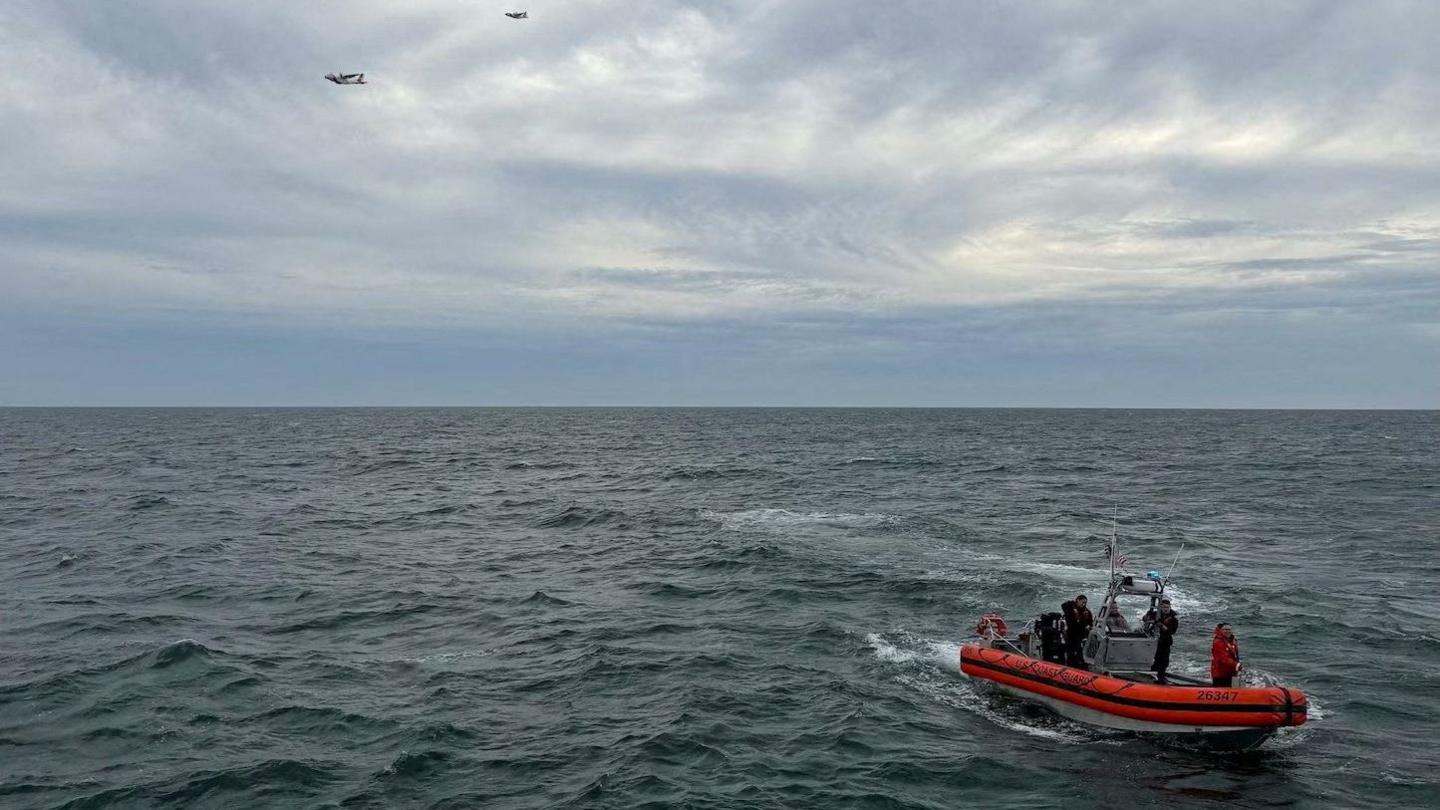
According to the United States Coast Guard, the search and rescue mission east of Nantucket was called off on Sunday evening after a debris field, confirmed to belong to the aircraft, was located. The Coast Guard, in cooperation with the FAA and the operator, announced that all six occupants were presumed dead.
Flight data from FlightAware shows the aircraft plummeting from roughly 7,300 m (24,000 ft) down to 3,300 m (11,000 ft) just before communications went silent. Air traffic control transcripts reveal an attempt to establish contact, with the pilot possibly declaring an emergency, though the exact response remains unclear.
Latitude Air Ambulance released a statement: "We must now face the heartbreaking reality that the four members of our team, our patient and their family escort aboard Heartbeat 104 are presumed to have died." The Canadian operator said it would cooperate fully with authorities as investigations continue.
Officials remain focused on unraveling the circumstances behind the loss, with the FAA investigating potential mechanical or electrical failure. Families of the passengers have been notified and are in mournful waiting for a formal conclusion.
While details remain scarce, the incident underscores the risks inherent in medical transport operations over the Atlantic and highlights the urgency of robust communication protocols during flight operations.