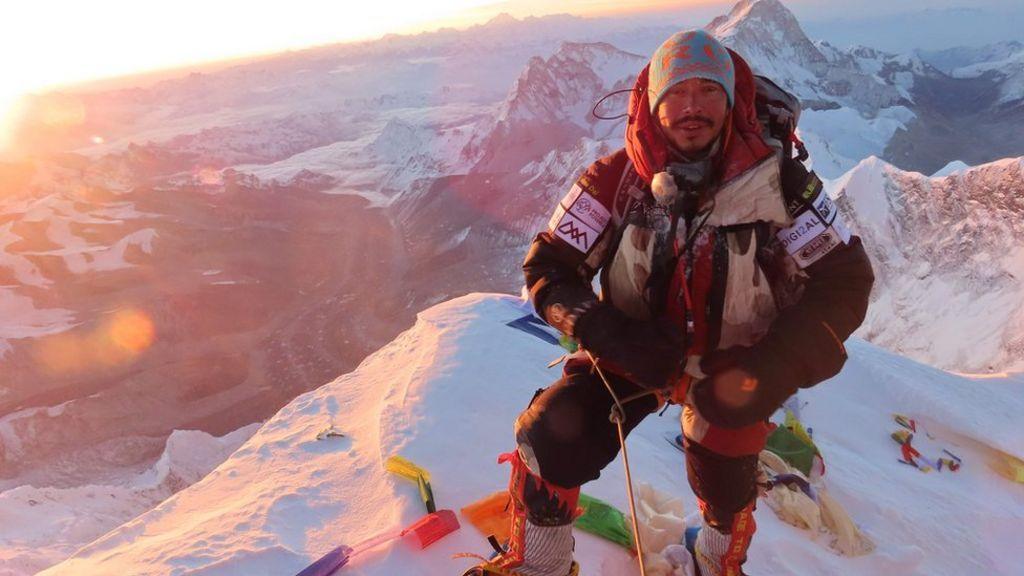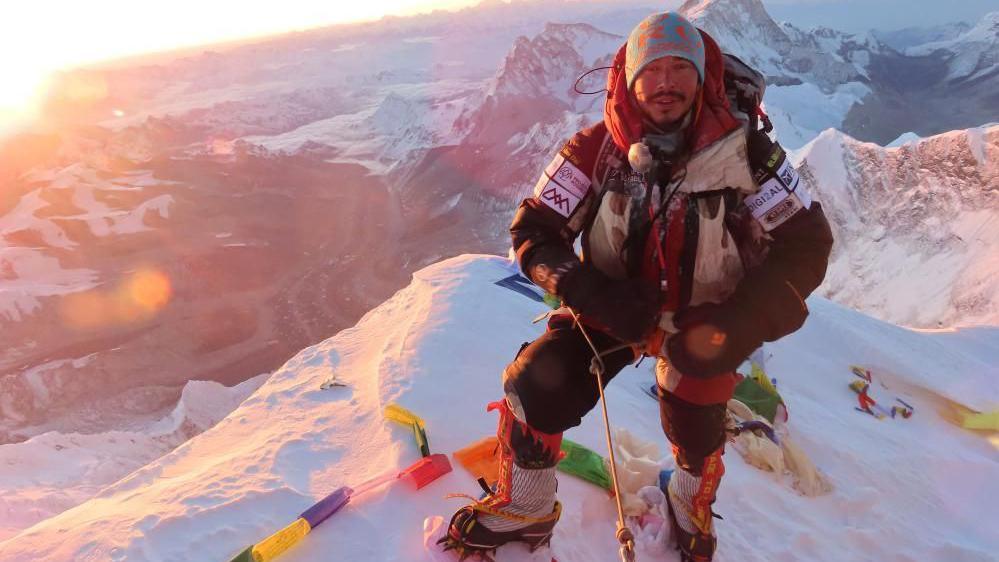
Six Nepali mountaineers, including Nirmal Purja, die in Broad Peak avalanche
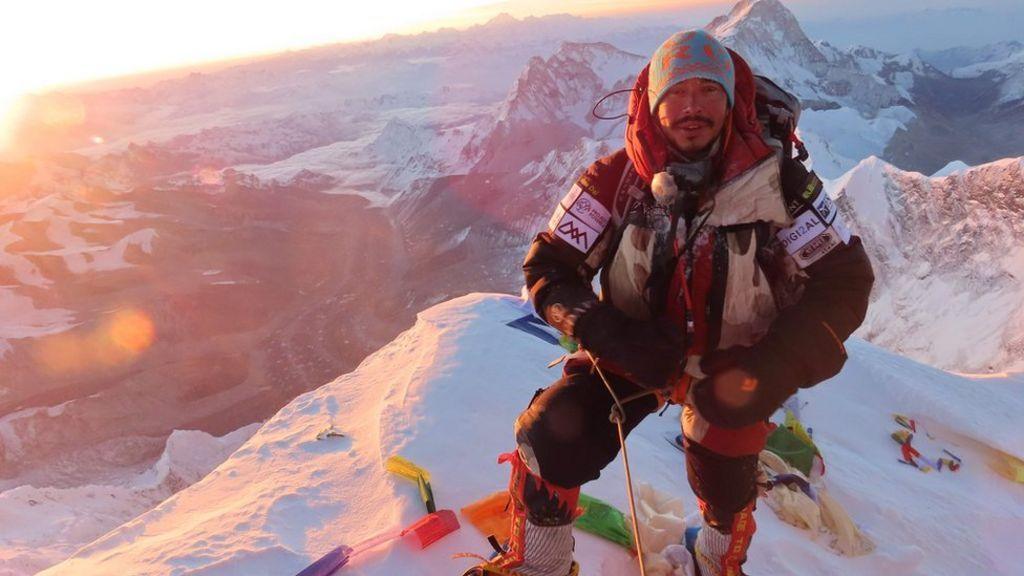
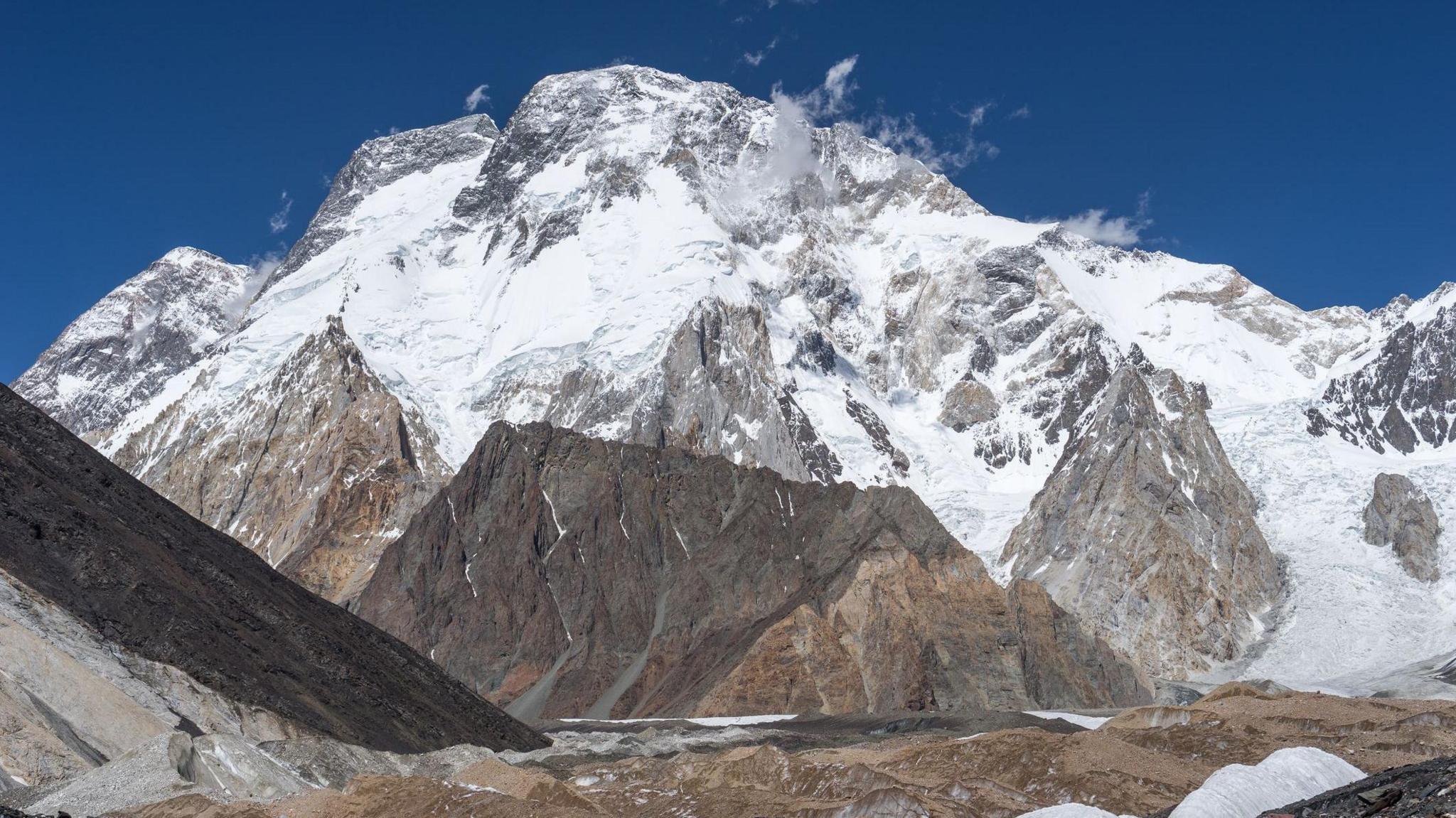
An avalanche that struck Pakistan’s Broad Peak last week claimed the lives of six Nepali guides – a tragedy that also took the celebrated British‑Nepali climber Nirmal Purja, known as "Nims" for his rapid ascent of the world’s 14 eight‑thousand‑meter peaks. The disaster struck the 12th‑highest mountain in the Karakoram range, a remote and notoriously dangerous region for high‑altitude climbing.
Nirmal Purja led a 10‑member international team on Broad Peak, a climb that had already established him as one of the world’s most accomplished high‑mountain specialists. His record includes the first winter ascent of K2 in 2021 – a feat that has cemented his reputation among the elite of the mountaineering community.
The other affected guides were Kili Pemba Sherpa, 46, who had only recently completed the Grand Slam by summiting the last of the 14 eight‑thousanders, and Pur Bahadur Gurung, 37, who had scaled 12 of the 14 highest peaks and was among the few Nepali guides certified by the International Federation of Mountain Guides Association (IFMGA).
"Nims was iconic and undisputedly amongst the best of his generation," said Ben Ayers, a longtime Everest reporter for Outside Magazine. Ayers added that the loss of such seasoned guides deals a devastating blow to Nepal’s mountaineering community and underlines the inherent dangers of high‑altitude adventures.
Beyond the tragedy, the incident has amplified the visibility of Nepali Sherpas, who have moved from supportive roles to leading positions on international expeditions. Gyanendra Shrestha, a government official, noted that many Nepali guides have already proven themselves on remote peaks such as K2 and that the loss of these experts is “unprecedented”.
The avalanche also casts a spotlight on the growing significance of the Karakoram region. While only about 15,000 hikers visit Pakistan’s Himalayas each year, its remote peaks, including five eight‑thousanders, continue to attract dedicated climbers seeking new challenges. In contrast to Nepal’s well‑developed trekking infrastructure and extensive rescue network, Pakistan’s mountains are far less accessible, requiring guides to be adept at independent roping, ice fixing, and high‑altitude negotiation.
Ayers warned that the disaster may lead to calls for tighter safety standards, but experts say the fundamental allure of dangerous climbs – “the risks themselves are part of the appeal” – may limit lasting reforms. Researchers Medhavi Gulati and Alan Arnette have pointed out that historic incidents such as a 2014 avalanche that killed 16 Sherpas on Everest or the 2008 K2 ice collapse that caused 11 deaths have not materially changed the risk profile for climbers.
While the loss of Nirmal Purja and his fellow guides marks a profound loss for Nepal’s mountaineering heritage, it also highlights the essential role of highly skilled, versatile Sherpas in pushing the boundaries of high‑altitude climbing and underscores the ongoing challenges of ensuring safety on the world’s most unforgiving peaks.