South African jazz icon Abdullah Ibrahim dies at 91
The South African jazz community has lost one of its most celebrated figures. Abdullah Ibrahim – born Adolph Johannes Brand – passed away peacefully in Germany surrounded by family after a short illness, according to his family statement.
Ibrahim, who first played piano at age seven, built a career that bridged the cultural landscapes of South Africa and the world. He was first known as Dollar Brand, before converting to Islam and adopting the name Abdullah Ibrahim in the late 1960s. His work, especially the 1974 track “Mannenberg,” became a musical rallying cry during the struggle against apartheid’s legalised racism, echoing the aspirations of a nation seeking freedom.
The political secession of apartheid-era South Africa left the Jazz Epistles – Ibrahim’s early sextet – disbanded, prompting Ibrahim to relocate first to Switzerland and later to the United States, where the legendary Duke Ellington introduced him to a broader audience. Despite living abroad, Ibrahim frequently returned home for performances and recordings, ensuring that his music remained inseparable from South African identity.
President Cyril Ramaphosa publicly lauded Ibrahim’s contributions: “His creations honoured the South Africa that shaped his political commitment and musical brilliance.” Former partner Dr Marina Umari echoed this sentiment, noting that Ibrahim’s love for his homeland remained steadfast, regardless of his global presence.
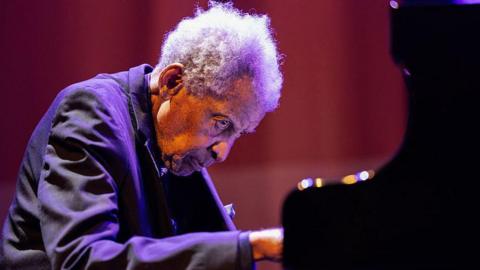
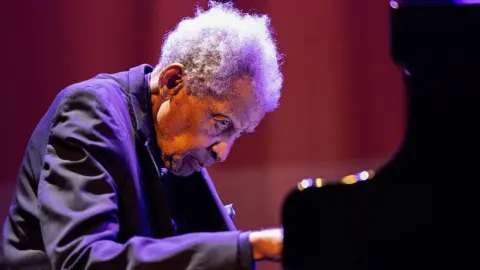
Ibrahim’s final live appearance came less than three months earlier at the Cape Town International Jazz Festival, where audiences were again captivated by his artistry, humility, and the depth of his vision. The event was poignantly described by the family as a fitting farewell to a man who “enriched our lives with his musical gifts and commitment to making the world a better place.”
As the world mourns the loss of one of its most influential jazz voices, Abdullah Ibrahim’s legacy endures through his recordings, his role as a cultural bridge, and the continued impact of his music on new generations of musicians and listeners worldwide.