Clive Davis, Music Icon Who Shaped 20th‑Century Pop, Dies at 94
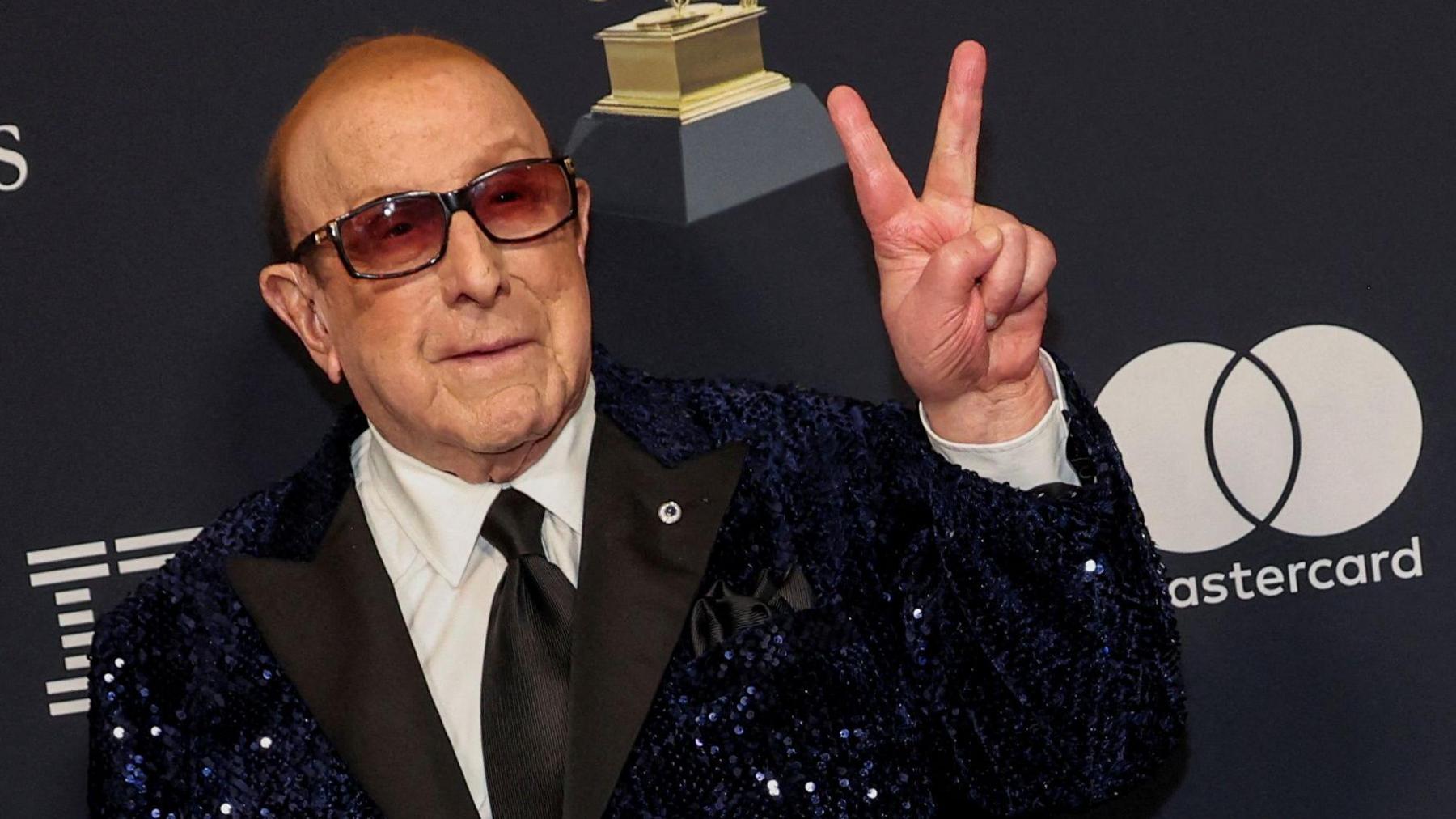
On 22 June 2026, the music community mourned the death of Clive Davis, who died at the age of 94. The former head of Columbia and Arista Records signaled a lifetime of influence when he named the artists who would become household names across pop and rock. His reach encompassed legendary singers such as Aretha Franklin, Whitney Houston, Jim Morrison, and contemporary stars like Alicia Keys, Maroon 5 and Ryan Adams.
Born in Brooklyn’s Crown Heights in 1932, Davis began as a Harvard‑educated lawyer before taking a position at Columbia at 28. He spent nights learning copyright and contract law to navigate early record‑club antitrust litigation and to keep Bob Dylan on the label as the singer turned 21. His ascent to vice‑president by 1965, and then president, enabled him to sign acts such as Santana, Aerosmith and Pink Floyd—igniting a resurgence for the company.
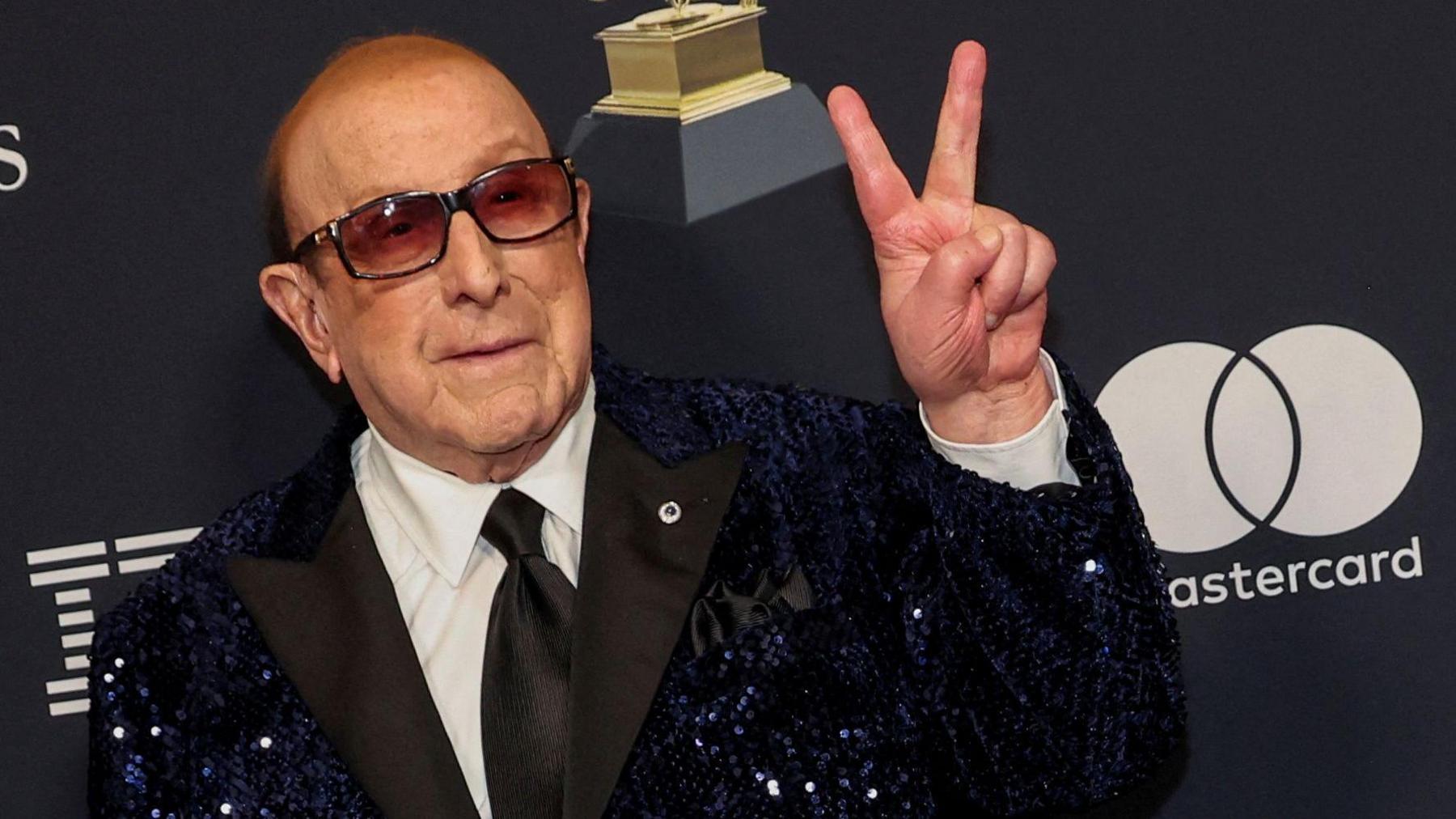
After being fallout from Columbia’s board over alleged misuse of company funds for personal expenses—including his son’s bar mitzvah—Davis founded Arista. He turned the label into a pop powerhouse with Barry Manilow and the seminal Patti Smith album Horses. He later created J Records, launching Alicia Keys and Maroon 5 into mainstream superstardom, before taking the role of chief creative officer for Sony Music.
Davis’s influence reached across genres. He negotiated a deal with Babyface and LA Reid that launched La Face Records, spreading hip‑hop influence through acts like Outkast and TLC. In 1999 he helped Santana achieve a global hit with Supernatural, and his work earned him five Grammy Awards and a 2000 Rock and Roll Hall of Fame induction as a non‑performer.
Tributes poured in from those he helped. Bruce Springsteen posted on Instagram, calling Davis a “great record man” and “close friend”, recalling the promoter’s insistence that his stage energy be harnessed for maximum impact. Patti Smith echoed those sentiments, thanking Davis for his unwavering belief in her artistic vision. The late executive’s family stated, “To the world, our father was the iconic music legend whose vision shaped the soundtrack of countless lives.”
Despite controversy, Davis’s business acumen and fierce devotion to artists cemented a legacy that will endure. His imperial mindset—that music is a necessary ingredient in human life—remains a guiding philosophy for both artists and executives alike, underscoring why his name will continue to resonate in the annals of music history.