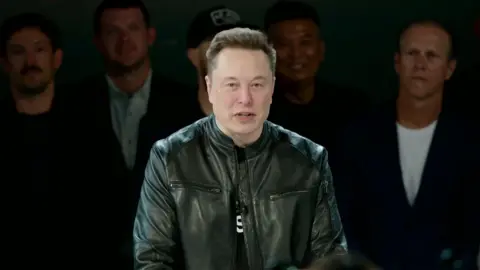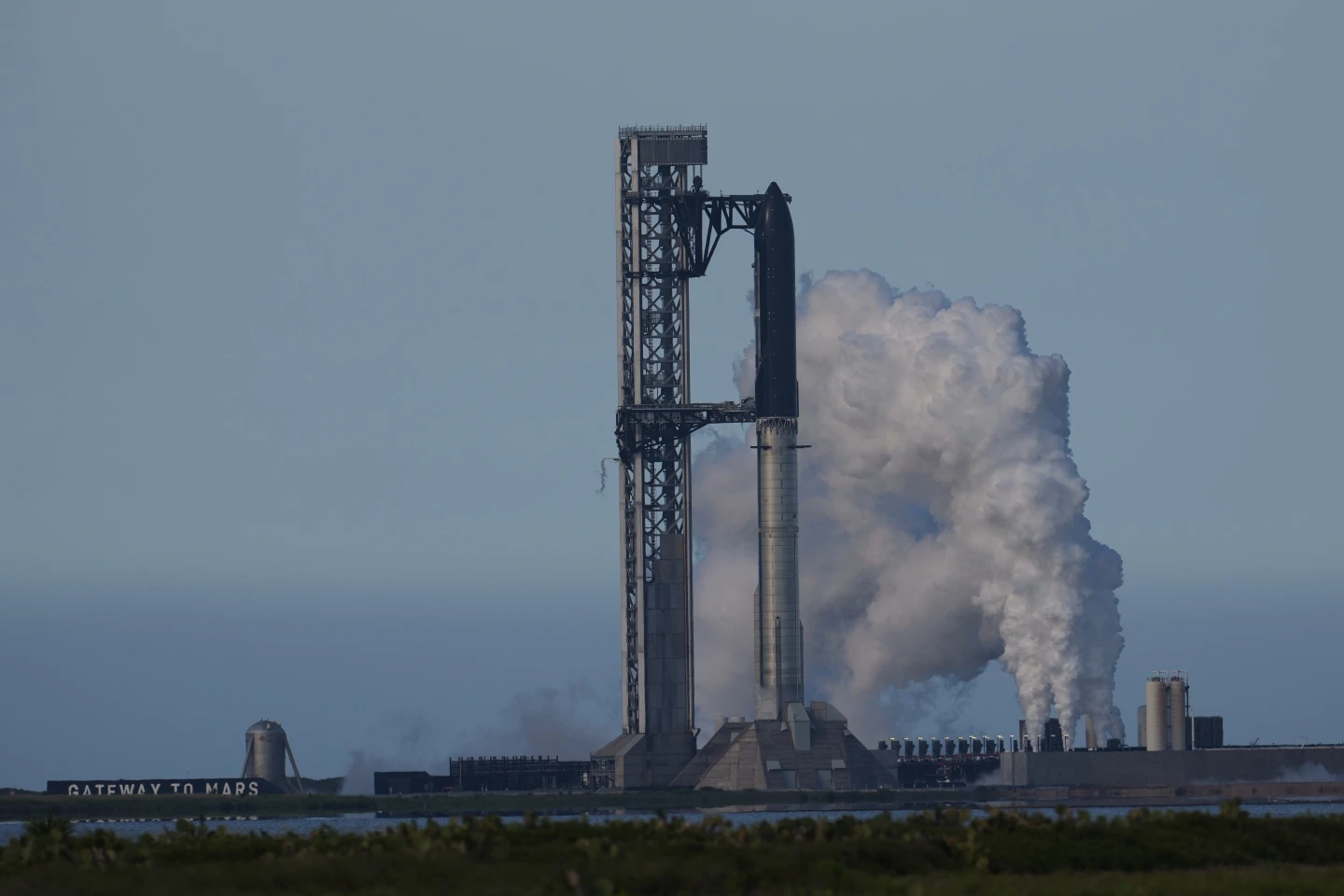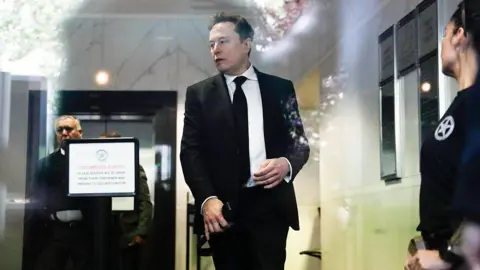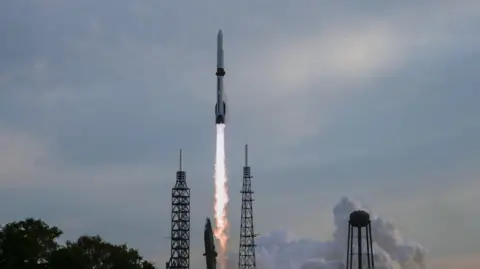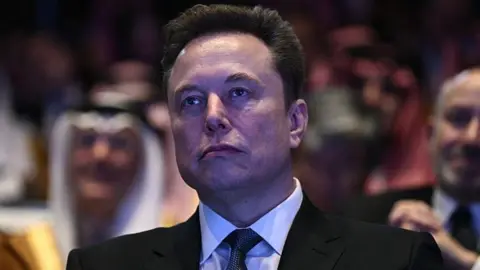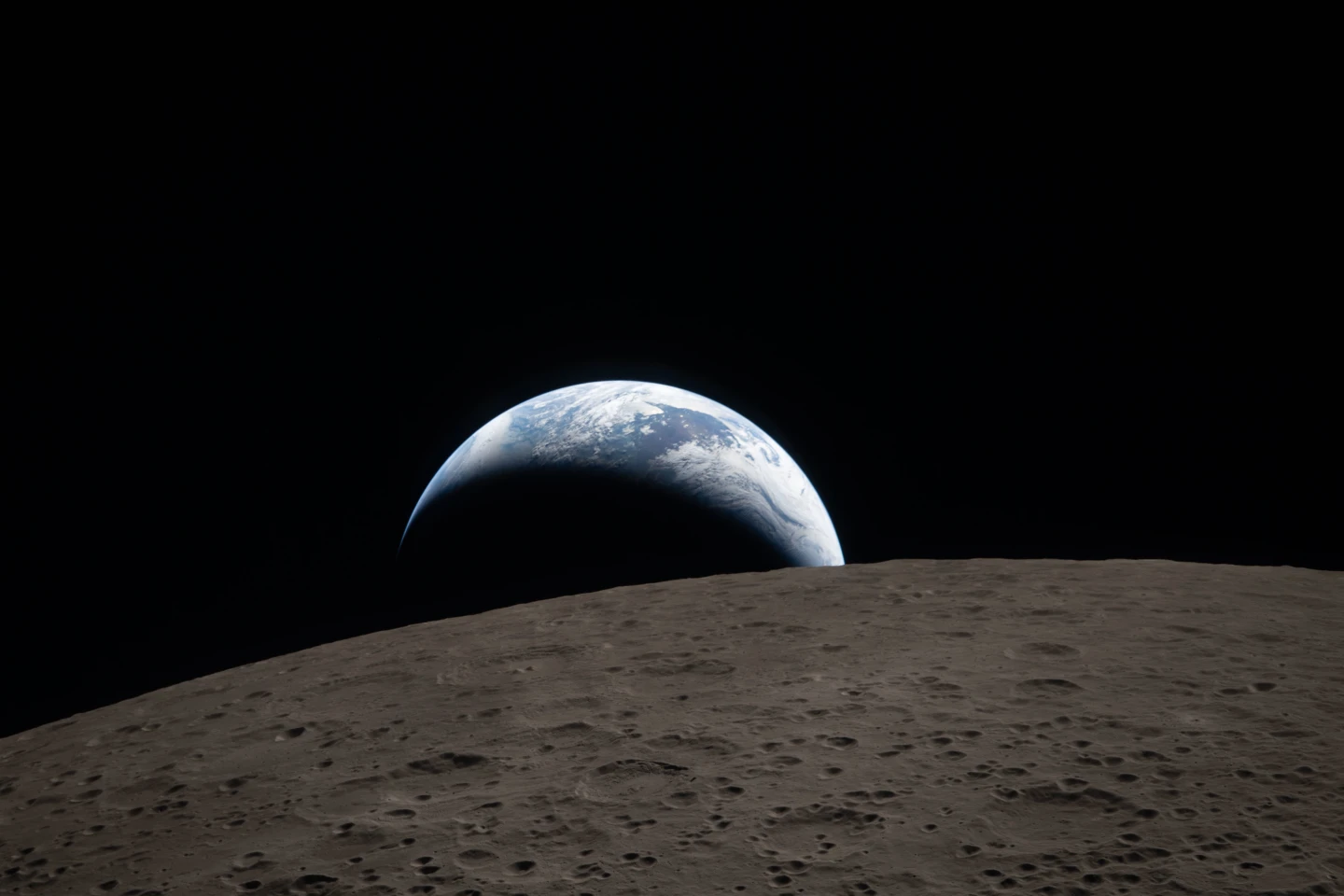
SpaceX's Starship V3 rocket completed its first uncrewed test flight on Friday, marking a pivotal moment in humanity's space ambitions. The massive 124-meter-tall vehicle, standing taller than 40 storeys, lifted off from Starbase in Texas just after 17:30 local time (22:30 GMT) following a postponement caused by a launch-tower malfunction. After deploying 20 dummy satellites into orbit, the rocket re-entered Earth's atmosphere and splashed down in the Indian Ocean, where it detonated as designed during a controlled descent. While Elon Musk celebrated the 'epic' milestone on X, stating the team 'scored a goal for humanity,' mission control acknowledged engine failures in both rocket stages—though NASA Administrator Jared Isaacman declared it 'one step closer to the Moon… one step closer to Mars.'
The flight carries significant weight beyond technical achievement. SpaceX's upcoming IPO, potentially the largest in Wall Street history, could make Musk the world's first trillionaire, with $1.25 trillion in valuation tied to his ownership stake. This economic dimension intersects with broader societal debates: the company's satellite internet service Starlink has expanded global connectivity but faces criticism for spectrum allocation issues, while xAI's controversial AI research sparks ethical concerns about algorithmic bias and job displacement. Meanwhile, the environmental impact of rocket launches, including carbon emissions and ocean debris, intensifies calls for stricter space industry regulations.
**Global Perspectives on the Milestone**
* **Technology & Innovation (Pro-Private Space Exploration):** 'This demonstrates that private enterprise can drive rapid, scalable advancements in space infrastructure,' argues Dr. Aris Thorne, a space policy expert at Oxford University. 'Reusable rockets like Starship could make lunar bases economically viable, fostering international collaboration.' Supporters cite the mission's success as proof that commercial innovation complements government-led programs like NASA's Artemis.
* **Economic & Regulatory (Cautious Optimism):** 'While the IPO may boost the space economy, valuing SpaceX at $1.25 trillion risks overhyping a volatile sector,' warns financial analyst Lena Petrova. 'Regulators must balance market enthusiasm with safeguards against monopolistic practices—especially as Starlink expands into telecommunications markets.' Critics also note the mission's cost: $2 billion for a single test flight raises questions about public funding priorities amid rising climate disasters.
* **Environmental & Social Equity (Critique of Resource Allocation):** 'Redirecting resources to rocket launches while 1 billion people lack clean water is ethically questionable,' states Dr. Kenji Sato, a climate policy researcher at the UN. 'SpaceX's pollution footprint—1.7 million tons of CO2 per flight—must be offset by tangible climate action. The mission's cultural inspiration, however, fuels STEM education globally, particularly in underfunded schools.'
* **Global Governance (Interstate Competition):** 'This flight highlights the 'Space Race 2.0,' where nations like China and the EU are accelerating their own lunar programs,' notes Dr. Ananya Sharma, an international relations scholar. 'The race for Martian colonization risks exacerbating geopolitical tensions if space becomes a new domain for conflict, demanding binding treaties before launch.'
As SpaceX prepares for its IPO, the Starship V3 test flight exemplifies the complex nexus of technological ambition, economic opportunity, and ethical responsibility. While the rocket's detonation marked a technical success, the broader narrative underscores how space exploration now intersects with terrestrial challenges—forcing societies to weigh humanity's cosmic aspirations against immediate planetary priorities. Whether this momentum translates to sustainable progress or renewed market speculation remains a question for the world to address.}
The flight carries significant weight beyond technical achievement. SpaceX's upcoming IPO, potentially the largest in Wall Street history, could make Musk the world's first trillionaire, with $1.25 trillion in valuation tied to his ownership stake. This economic dimension intersects with broader societal debates: the company's satellite internet service Starlink has expanded global connectivity but faces criticism for spectrum allocation issues, while xAI's controversial AI research sparks ethical concerns about algorithmic bias and job displacement. Meanwhile, the environmental impact of rocket launches, including carbon emissions and ocean debris, intensifies calls for stricter space industry regulations.
**Global Perspectives on the Milestone**
* **Technology & Innovation (Pro-Private Space Exploration):** 'This demonstrates that private enterprise can drive rapid, scalable advancements in space infrastructure,' argues Dr. Aris Thorne, a space policy expert at Oxford University. 'Reusable rockets like Starship could make lunar bases economically viable, fostering international collaboration.' Supporters cite the mission's success as proof that commercial innovation complements government-led programs like NASA's Artemis.
* **Economic & Regulatory (Cautious Optimism):** 'While the IPO may boost the space economy, valuing SpaceX at $1.25 trillion risks overhyping a volatile sector,' warns financial analyst Lena Petrova. 'Regulators must balance market enthusiasm with safeguards against monopolistic practices—especially as Starlink expands into telecommunications markets.' Critics also note the mission's cost: $2 billion for a single test flight raises questions about public funding priorities amid rising climate disasters.
* **Environmental & Social Equity (Critique of Resource Allocation):** 'Redirecting resources to rocket launches while 1 billion people lack clean water is ethically questionable,' states Dr. Kenji Sato, a climate policy researcher at the UN. 'SpaceX's pollution footprint—1.7 million tons of CO2 per flight—must be offset by tangible climate action. The mission's cultural inspiration, however, fuels STEM education globally, particularly in underfunded schools.'
* **Global Governance (Interstate Competition):** 'This flight highlights the 'Space Race 2.0,' where nations like China and the EU are accelerating their own lunar programs,' notes Dr. Ananya Sharma, an international relations scholar. 'The race for Martian colonization risks exacerbating geopolitical tensions if space becomes a new domain for conflict, demanding binding treaties before launch.'
As SpaceX prepares for its IPO, the Starship V3 test flight exemplifies the complex nexus of technological ambition, economic opportunity, and ethical responsibility. While the rocket's detonation marked a technical success, the broader narrative underscores how space exploration now intersects with terrestrial challenges—forcing societies to weigh humanity's cosmic aspirations against immediate planetary priorities. Whether this momentum translates to sustainable progress or renewed market speculation remains a question for the world to address.}