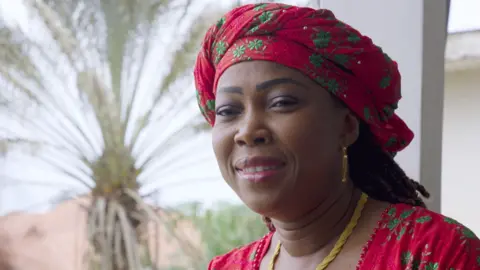
On Valentine's Day, Joy Kalekye, a 19-year-old student, discovered through a friend that a video of her had been shared online without her knowledge. The video showed a man approaching her in Nairobi, expressing admiration without clear consent. This incident is part of a larger disturbing trend where men in Kenya and Ghana engage in non-consensual filming of women, resulting in significant online harassment and ridicule. Activists in these countries have raised their voices against this practice, calling for justice against the perpetrators and urging society to shift towards holding violators accountable rather than blaming victims. Kalekye, along with others, have faced immense backlash online, while their experiences reflect broader issues of victimization and misogyny. As calls for legal action escalate, the narrative around consent and the responsibilities of content creators in the digital age is brought sharply into focus.
The Hidden Horror: Women Filmed Without Consent on Social Media

The Hidden Horror: Women Filmed Without Consent on Social Media
In a disturbing trend, women in Kenya and Ghana find themselves filmed and ridiculed online without their consent. Activists demand justice, while societal reactions reveal deep-seated issues surrounding victim-blaming.
Recent reports highlight a troubling phenomenon where women in Kenya and Ghana are secretly filmed by men and later humiliated online. Victims like Joy Kalekye share their stories of being recorded without consent, leading to online harassment and public ridicule. Activists condemn the actions of the perpetrators, pushing for accountability while highlighting the harmful societal attitudes that blame victims instead of focusing on the violators. This case opens discussions on consent, privacy, and the need for protective measures against such violations.