Trump Praises Rising Inflation Amid Growing Energy Costs
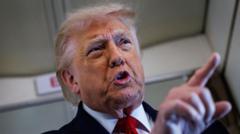
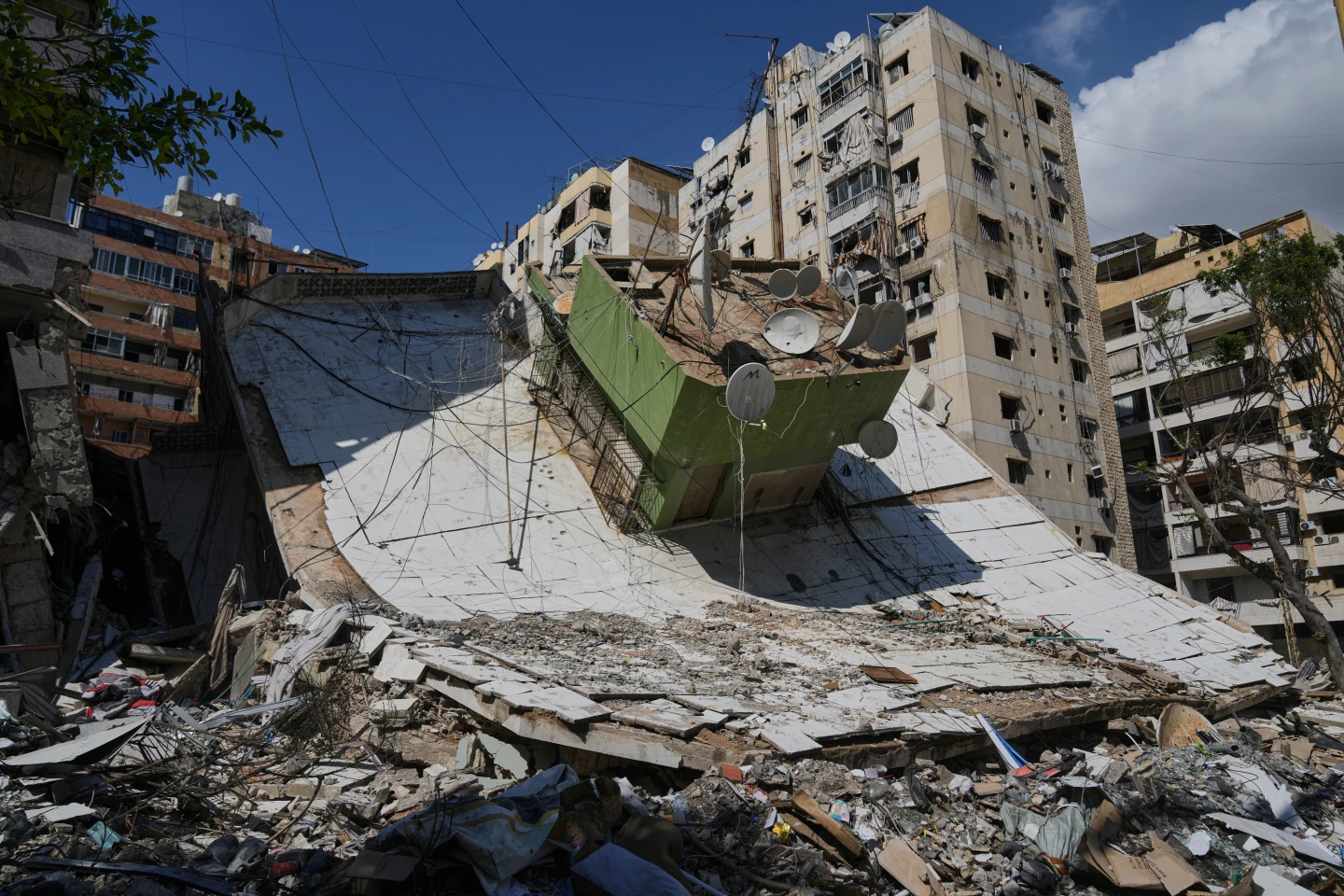
U.S. President Donald Trump took to the White House press briefing on Wednesday to applaud the nation’s latest Consumer Price Index (CPI) figures, calling the 4.2% year‑over‑year rise in May “great” and declaring, “I love the inflation.” The growth—its highest level in three years—was largely fuelled by a surge in energy costs after the U.S. drilled a series of strikes on Iranian oil rigs in the wake of a conflict with Israel.
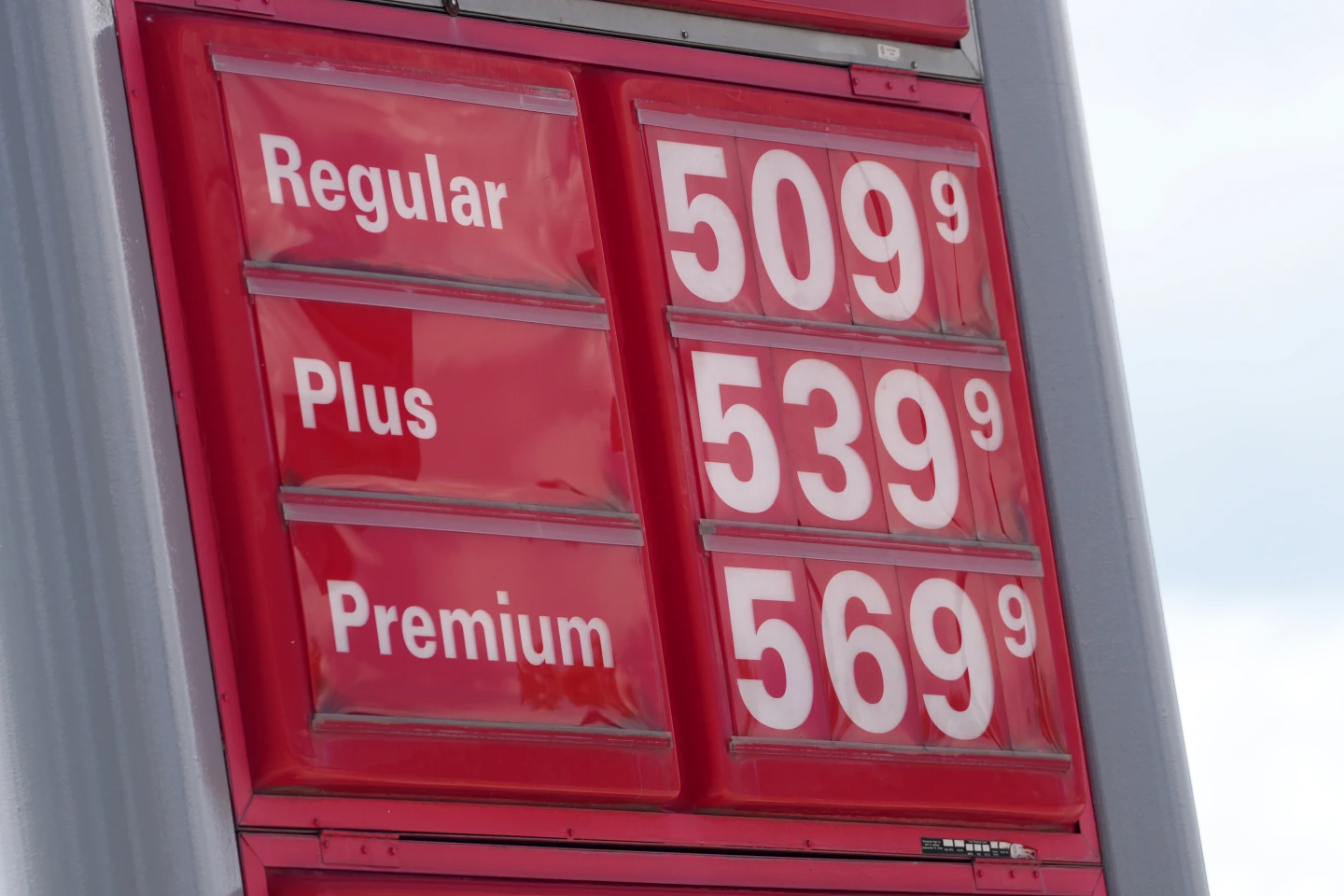
The Bureau of Labor Statistics reported that oil and gas prices jumped 13.2% from April, lifting the CPI over a bump that has already hit transportation, medical and recreation costs. The Biden administration’s 2022 peak at 9.1% remains far above the 2% inflation target the Federal Reserve sets for the economy. Trump’s remarks came at a time when economists expect the Fed to keep its policy rate at the current 3.5–3.75% range for now, though a sustained uptick in inflation could induce a rate hike next month.
While Trump promised the price surge would “come down like a rock” after the war in Iran concludes, he also told reporters that the U.S. military had captured large volumes of oil in support of the war effort, which he believed would bring prices back down. He cited a recent visit to Iowa, where he saw gasoline priced at $1.85 per gallon, and insisted that “we will be back at those levels very soon.”
Critics argue that his comments are evasive and potentially misleading. Senate Democratic Leader Chuck Schumer responded on X with a flippant remark about Trump’s contempt for American citizens, while former presidential candidate and business reporter Archie Mitchell noted how the comments could cost Trump at the upcoming mid‑term elections where the economy is a top concern for voters. The debate reflects a broader national conversation about how energy prices, geopolitical tensions and fiscal policy influence the living standards of ordinary Americans.
Industry data shows that car‑fuel costs have dramatically risen from $2.98 in February to $4.15 a gallon as of the latest BLS release, prompting many to call for closer scrutiny of U.S. foreign policy in the Middle East. Panics about the Strait of Hormuz’s capacity are compounded by reports that the U.S. and Iran engaged in active hostilities in early May, a fragile ceasefire that has for monthsbidden many oil‑heavy shipments.
On the policy front, the Fed’s new governor Kevin Warsh is set to announce his first interest‑rate decision next week. Should inflation stay persistently above the 2% target, the board is expected to raise rates—a move that could tighten credit, raise borrowing costs and moderate consumer spending. Economists weigh the implications of such policy moves against the backdrop of a potential “slow‑burn” recovery from the high‑cost era in the energy market.
The evolving situation thus highlights the intersection of domestic economic policy, foreign militaristic actions, and the domestic political arena. Trump’s comments on inflation, while framed positive by the former president, will be studied by political analysts who consider how economic signals affect voter sentiment ahead of the partisan shift in September. The coming months will likely determine the balance between political messaging and concrete economic outcomes in this volatile environment.