In brief
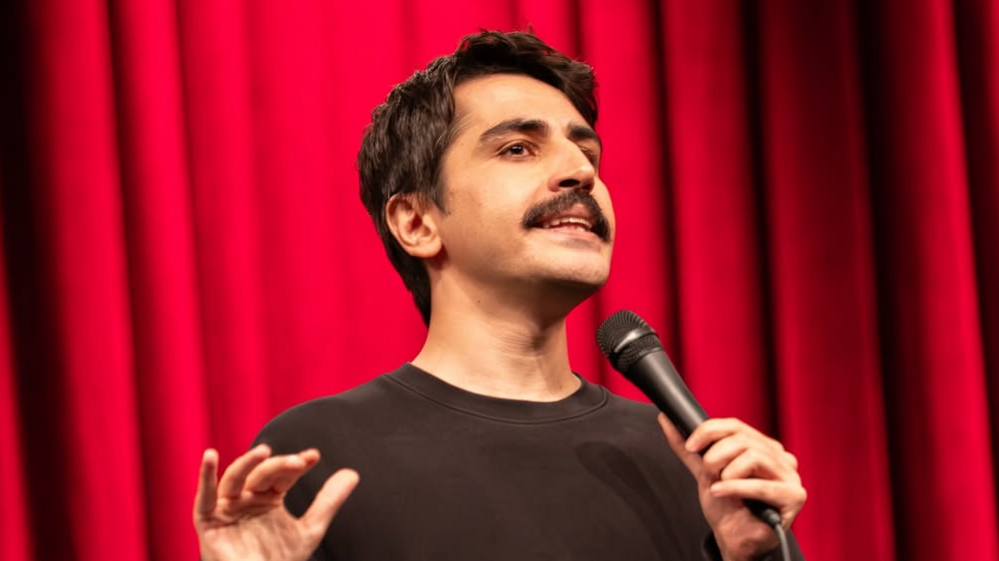
Turkish authorities have detained stand‑up comedian Deniz Göktaş in Istanbul after a YouTube‑viral routine targeting President Recep Tayyip Erdoğan and the Quran drew 9.4 million views. Göktaş faces charges of inciting hatred, insulting the president and threatening national security. The arrest comes amid a wider crackdown on dissent, with police detaining activists, journalists and opposition leaders ahead of the July NATO summit. Protesters rallied outside the courthouse, demanding his release, while opposition officials have condemned the move as a “judicial coup”. Human rights groups warn that the case threatens freedom of expression in Turkey.
Turkish authorities arrested popular stand‑up comedian Deniz Göktaş in Istanbul after a controversial set on YouTube satirised President Recep Tayyip Erdoğan and the Quran. The routine attracted 9.4 million views, prompting 185 complaints to the İstanbul Chief Public Prosecutor’s Office and the declaration of Göktaş’s pre‑trial detention at the Çağlayan courthouse.
Charges include inciting hatred and hostility, insulting the president and violating Article 68 of the Penal Code. Göktaş denies any intention to offend religious sentiment, arguing the piece was a satirical commentary on perceived authoritarian rule.
Wider Context – The detention follows a broader crackdown on dissent, with police detaining activists, journalists, environmentalists and opposition figures ahead of the July NATO summit hosted by Ankara. A ban on demonstrations in the capital and denial of accreditation to independent media have compounded criticism of Ankara’s rule of law.
Public Response – Protesters gathered outside the courthouse, chanting “traitor” and demanding Göktaş’s release. Opposition leaders, including CHP chair Kemal Kılıçdaroğlu, have condemned the arrest as politically motivated. The Human Rights Watch has warned about the narrowing of civil liberties in Turkey.
Next Steps – Göktaş’s case is now under pre‑trial detention, and the court is set to argue whether the comedian’s jokes fall under protected satire or constitute criminal speech. The case may test Turkey’s growing legislative restrictions on freedom of expression in the run‑up to the NATO summit.