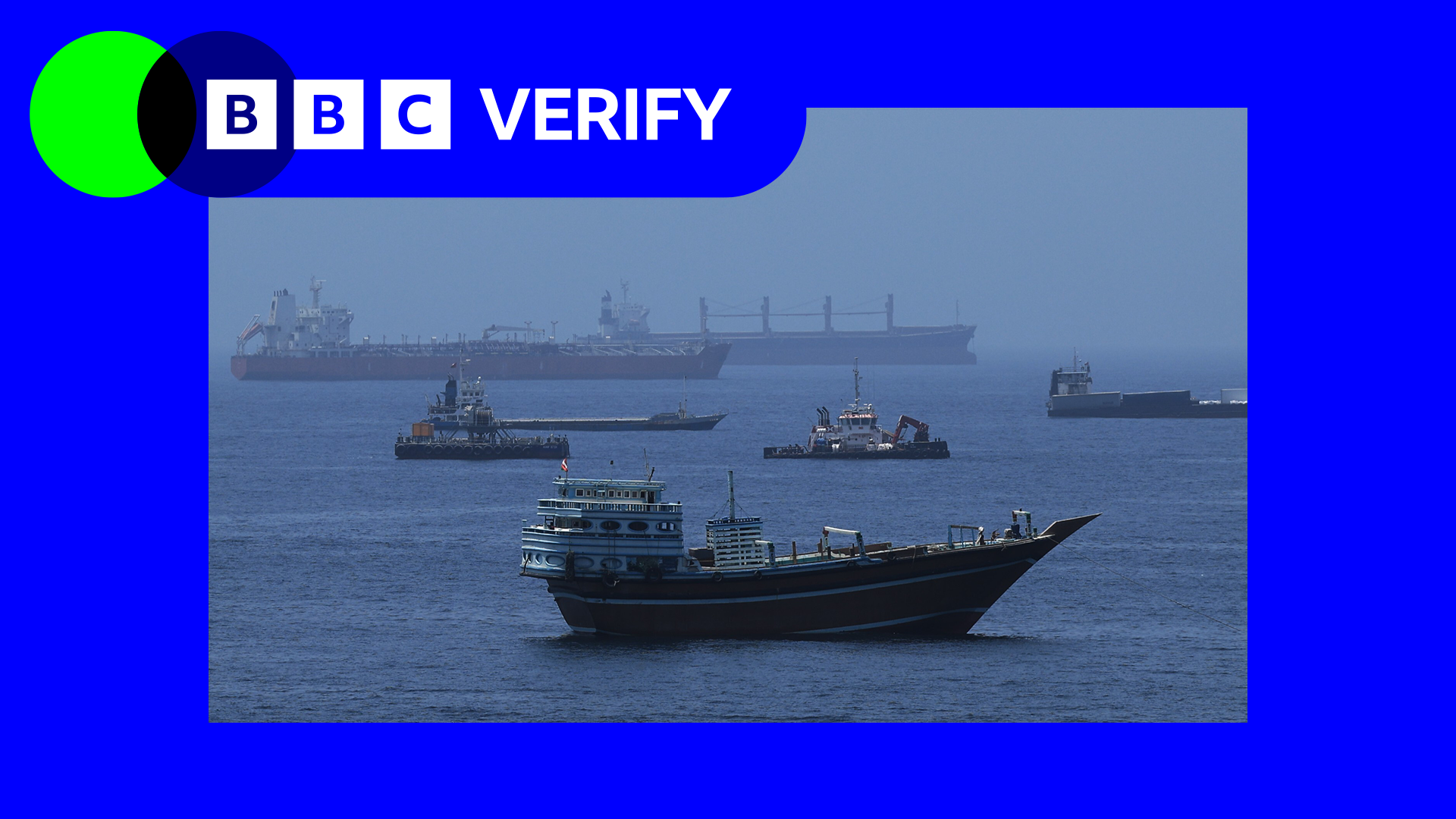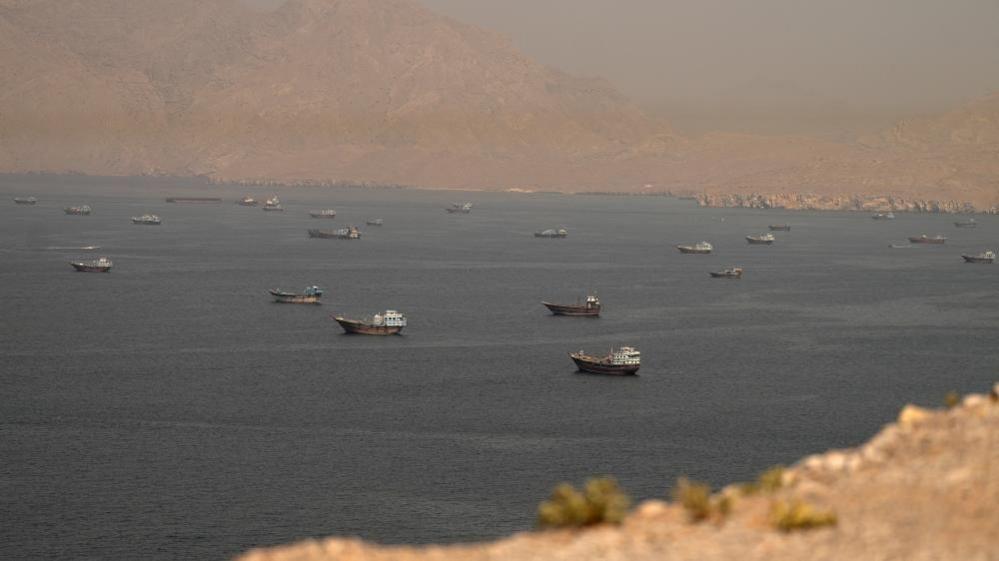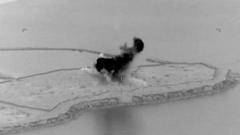
The US-controlled Central Command said it had shot down four Iranian "one‑way attack drones" launched toward the Strait of Hormuz, citing an immediate threat to maritime traffic.
US forces then struck Iranian coastal surveillance radar sites in the south of the country, warning that the operation was to prevent further attacks.
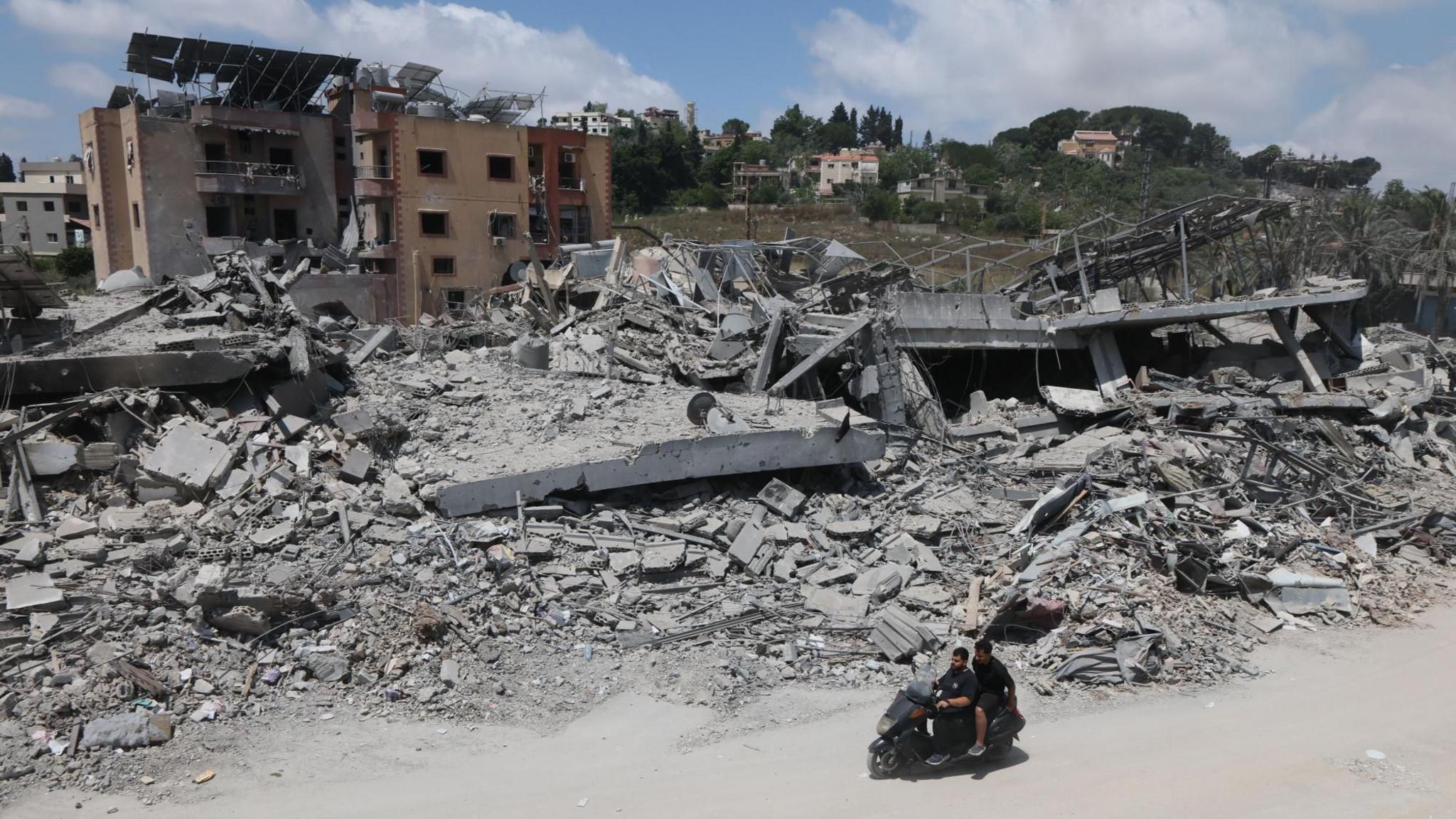
In retaliation, Iran fired ballistic missiles at US air bases in Kuwait and at facilities of the US Navy in Bahrain. Centcom said six of the seven missiles were intercepted and one failed to reach its target.
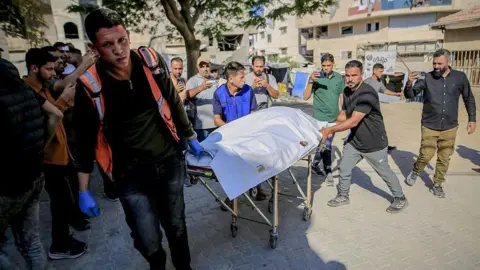
Earlier, Iran’s drone strikes on Kuwait’s international airport killed one person and injured more than 60, according to local officials.
The Islamic Revolutionary Guard Corps denied responsibility, claiming the airport was hit by a US missile interceptor error; US officials called the claim false and described the attack as deliberate and unjustified.
Iran’s IRGC said it targeted US bases in the Gulf in response to US strikes on an Iranian oil tanker and Qeshm Island, which had been part of a broader conflict beginning on 28 February 2024.
Despite the ongoing tensions, the US granted visas to Iran’s national football team for their forthcoming World Cup match against the United States in Los Angeles on 15 June.
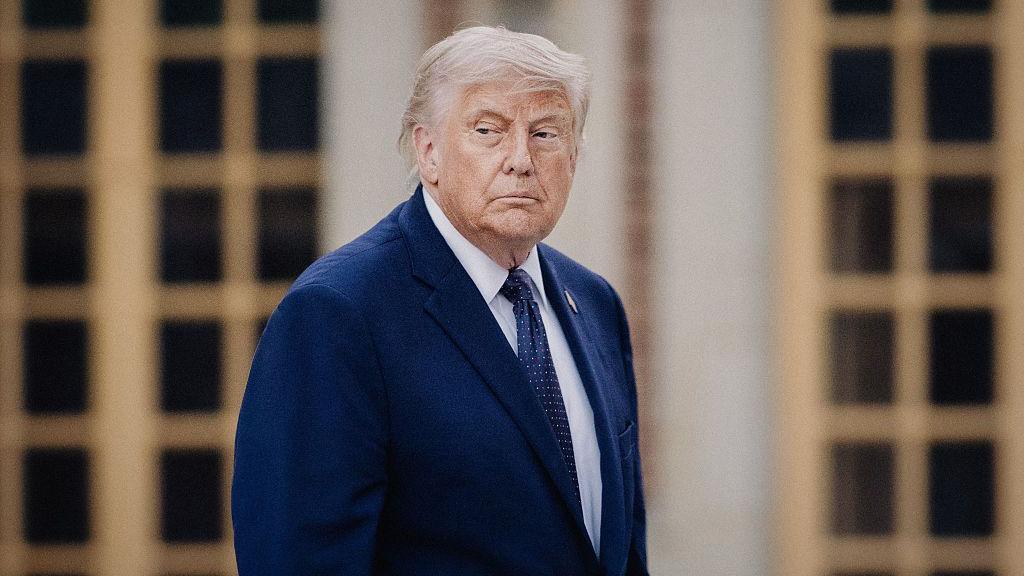
The US announced a blockade of Iranian ports after a ceasefire was agreed in early April. Trump vowed that the blockade would remain “in full force and effect until an agreement is reached, certified, and signed.”
The closure of the Strait of Hormuz—through which roughly 20% of global oil and liquefied natural gas passes—has previously caused oil prices to rise and intensifies the strategic stakes in the region.