U.S. Expands Sanctions on Cuban State Enterprises and Officials
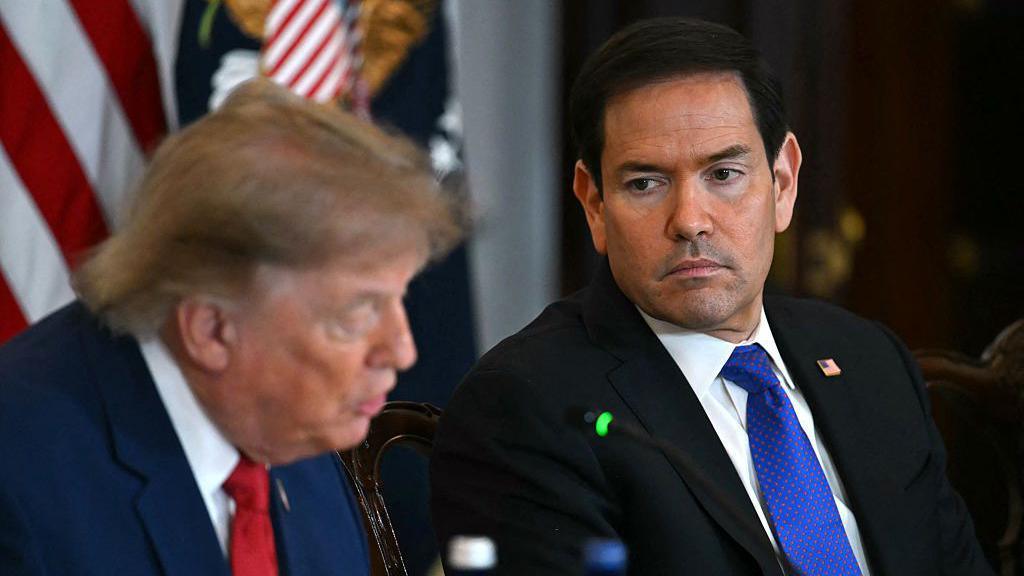
On 21 August 2026, Secretary of State Marco Rubio announced a third tranche of U.S. sanctions aimed at Cuban state‑owned mining, metal‑processing, and construction firms, as well as the Ministry of Construction and officials connected to the Cuban Institute of Friendship with the Peoples (ICAP).
These nine enterprises—many tied to Cuba’s heavy‑industry and building sectors—were added to the U.S. sanctions list amid a broader effort to curtail what Rubio described as “ferrying a new brigade of international sympathisers to Havana to network with regime officials” just before the 100th anniversary of former leader Fidel Castro.
The U.S. government cites the targeted entities and individuals as part of a regime that “exports Marxism, racial resentment, and Communist violence across the world,” and warns that the latest designations will hinder the Cuban government’s ability to finance its repression and anti‑American operations.
Key points of the sanctions include restrictions on the transfer of goods, services, and financial resources to the named firms. ICAP’s leadership—specifically president Fernando González Llorot, a member of the so‑called Cuban 5 spy ring—has been singled out for alleged involvement in misleading and corrupt activities aimed at spurring pro‑Cuban movements worldwide.
Cuban officials have sharply criticized the U.S. moves, taking to X (formerly Twitter) to accuse Secretary Rubio of punishing companies rather than addressing civilian needs. Foreign Minister Bruno Rodríguez warned that the sanctions “abolish the ability of the Cuban Government to guarantee basic services to the population,” citing rising power shortages and an older, fuel‑dependent electricity grid under a U.S. oil blockade that began earlier this year.
The sanctions follow a backdrop of escalating tensions, with the U.S. having imposed an effective oil blockade on Cuba since January 2026. The embargo has forced hospitals to rely on emergency generators and has sparked rare public protests during recurring power cuts.
As the U.S. intensifies economic pressure, the Cuban tourism sector—long a vital revenue source—is already suffering, while the country’s broader economy lags under the compounded effects of sanctions, blockades, and internal infrastructural decline.