US Imposes Sanctions on ICC Leaders Amid ‘Dismantle the Court’ Campaign
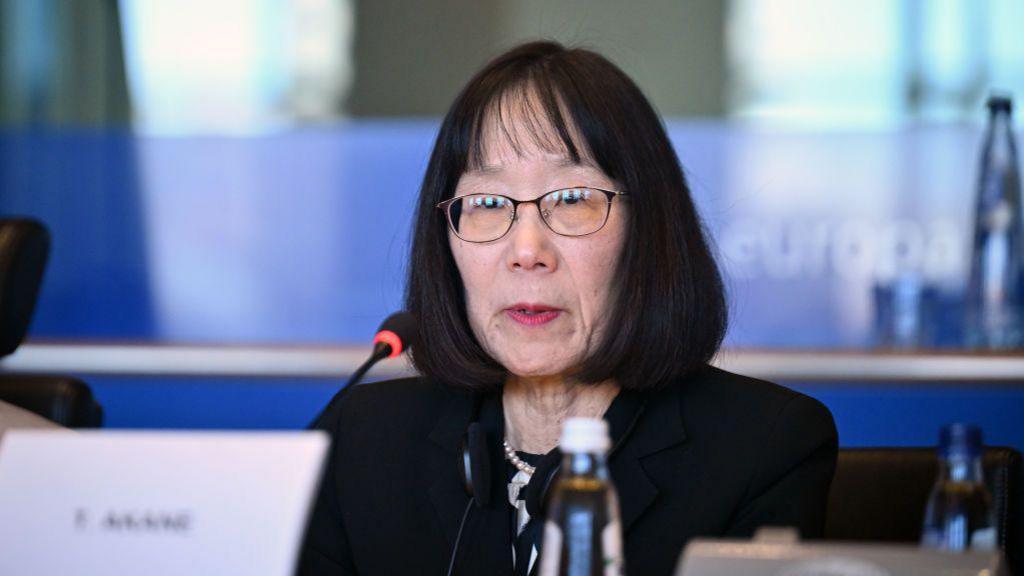
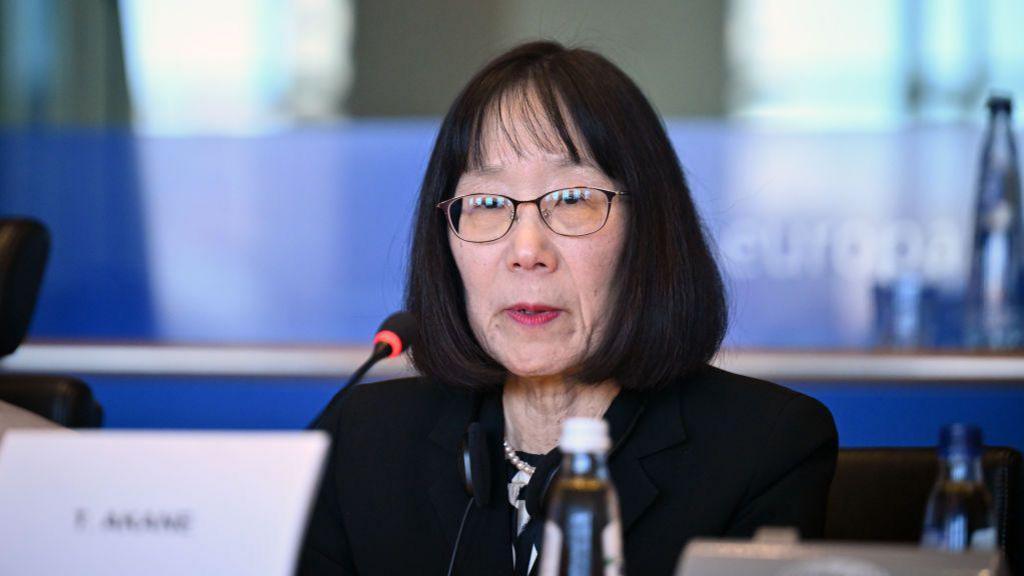
Secretary of State Marco Rubio announced that the United States is sanctioning International Criminal Court (ICC) President Tomoko Akane of Japan and senior trial lawyer Abdoulaye Seye of Senegal.
The sanctions, part of a broader Trump‑era initiative to “dismantle” the ICC, consist of asset freezes, travel bans and restrictions on U.S. businesses performing services for the affected individuals.
Rubio described the court as a “corrupt and fatally politicized supranational court” that has “overstepped its mandate.” He accused the ICC of acting against states that do not consent to its jurisdiction, citing investigations into U.S. personnel in Afghanistan and warrants issued against Israel’s Prime Minister Benjamin Netanyahu.
The ICC has not yet issued a formal statement. Its leadership remains largely unresponsive amid a growing chorus of international criticism.
Human‑rights groups, including Human Rights Watch, the Open Society Institute, the American Friends Service Committee and the Center for Constitutional Rights, have filed suits claiming the sanctions violate international law and the U.S. Constitution. Four former ICC judges—Kimberly Prost of Canada, Solomy Balungi Bossa of Uganda and Reine Alapini‑Gansou of Benin—have also sued the U.S. government in federal court, arguing the measures are unlawful coercion.
The U.S. claims it acts within the International Emergency Economic Powers Act to impose the sanctions, but legal analysts warn that such actions could set a precedent for unilateral interference in international judicial bodies.
Around the globe, member states of the ICC have expressed mixed sentiments: while some view the sanctions as an infringement on sovereign decision‑making and jurisprudence, others echo U.S. concerns about overreach. The United Nations and a number of international legal experts have called for a more balanced approach, emphasizing the court’s role in prosecuting genocide, crimes against humanity and war crimes.
The U.S. sanctions represent the latest escalation in a series of punitive actions that include restrictions on nine ICC judges, the chief prosecutor and foundational investigations that the administration claims have endangered U.S. national security.
Observers caution that the ongoing campaign may damage cooperation between the U.S. and international justice mechanisms, potentially reducing the effectiveness of global accountability for atrocities.