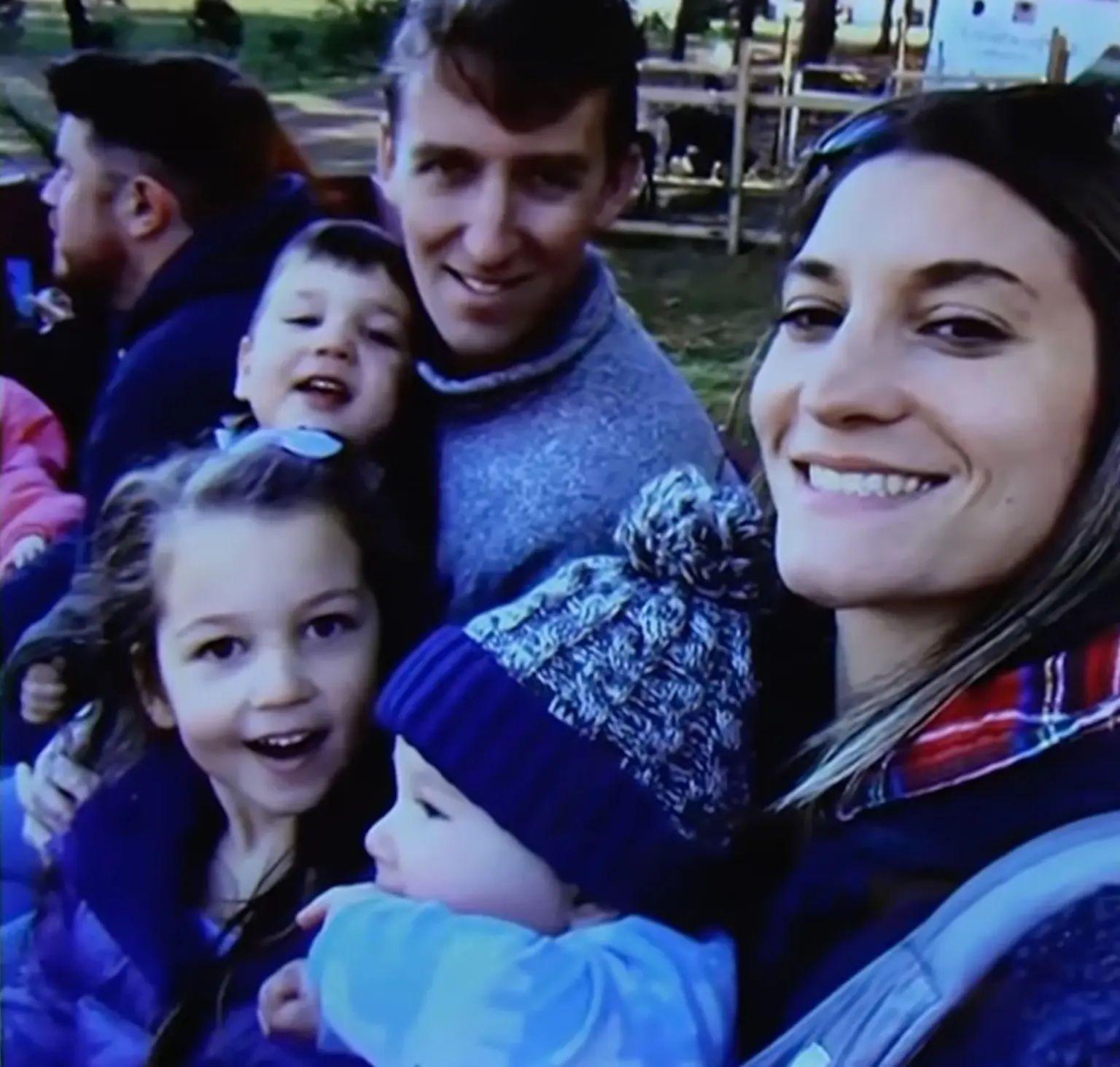
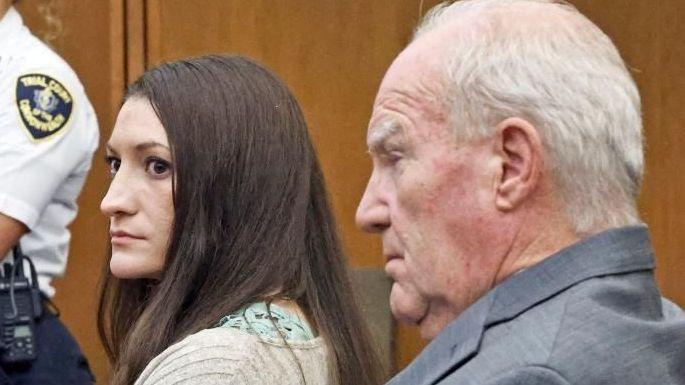
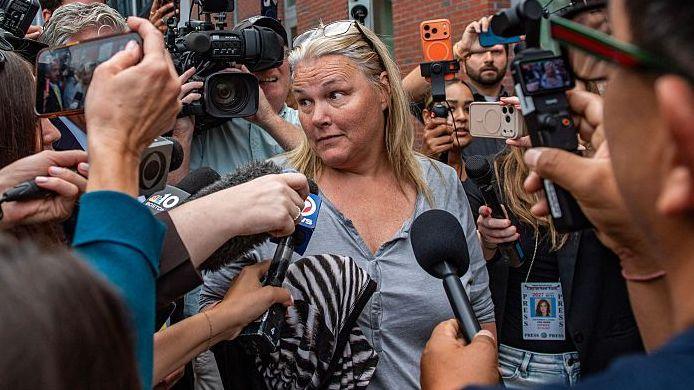
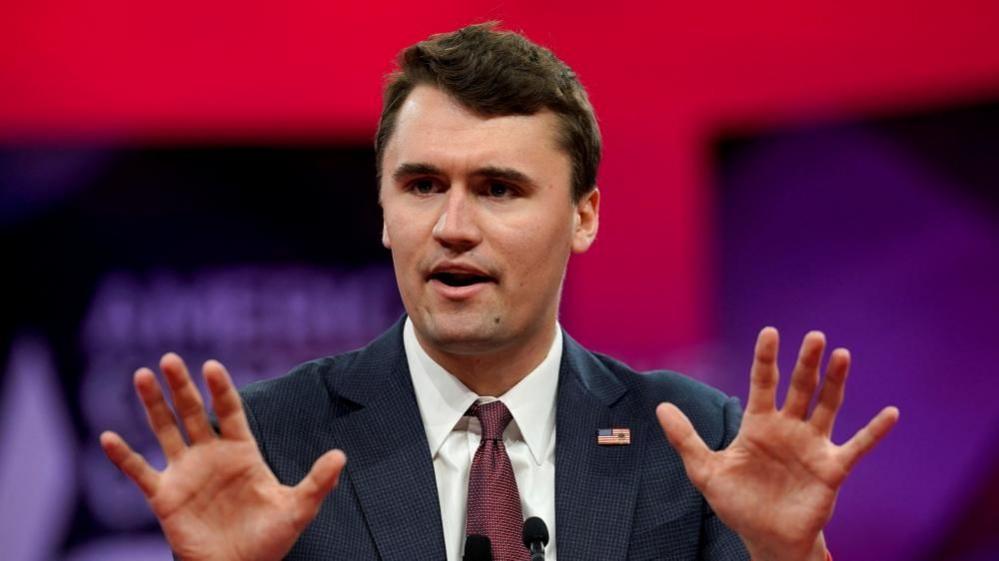
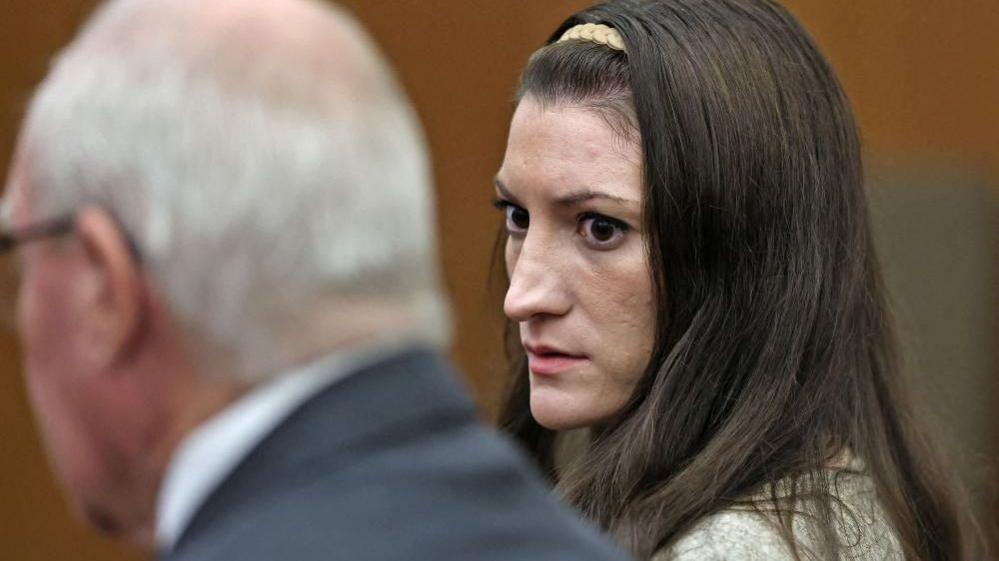
In March 2023, Lindsay Clancy was charged with killing her three children in Plymouth, Massachusetts. The trial progressed but the jury failed to agree on a verdict, prompting the judge to declare a mistrial. The case drew national attention, sparking debate around postpartum psychosis and the limits of legal accountability. Prosecutors will decide whether to retry the case or pursue a plea. The decision also prompted remarks from President Donald Trump, who called the incident a "horrible tragedy."
A judge in Massachusetts declared a mistrial after a jury failed to reach a unanimous decision in the case of Lindsay Clancy, who has been charged with murdering her three children. The ruling leaves the prosecution’s next steps uncertain and has drawn significant national attention.
Clancy, a former nurse, was accused of strangling a five‑year‑old daughter, a three‑year‑old son and an eight‑month‑old infant in their Plymouth home in March 2023. During the trial, she pleaded not guilty, citing postpartum psychosis as a defense. Despite intense media coverage and livestreams of court proceedings, the jury could not agree on a verdict after over a week of deliberation, leading the judge to declare a mistrial.
In the United States, a mistrial does not mean the defendant is innocent; it simply indicates that the jury could not reach a unanimous conclusion. The judge in the case clarified that the decision was rooted in a procedural deadlock rather than any evidence of innocence or guilt. Prosecutors will now meet to decide whether to resume the trial or consider alternative legal options such as a plea agreement. An additional hearing has been scheduled for September 29 for the court to outline these options.
The case has become a focal point for discussions about mental health and criminal responsibility. Clancy’s defense team argued that postpartum psychosis, a severe mental condition triggered after childbirth, impaired her judgment. Court‑room recordings showed a dramatic attempt by her lawyer to remove a juror he claimed was not following instructions to watch for reasonable doubt, a move that ultimately failed.
Public reaction ranged from sympathy to outrage. President Donald Trump publicly referred to the incident as a “horrible tragedy” and hinted that a new trial might be necessary. The case has also prompted a broader debate on how the justice system handles mental illness claims as a defense. While similar cases have sparked calls for more comprehensive mental‑health support for new mothers, others argue that the law must protect society from those who may be dangerous.
Meanwhile, Clancy remains in a psychiatric facility after the judge’s decision, and she is still charged with the murders. Her legal team is preparing a motion to overturn the mistrial, a process that could extend the case loop. The outcome of this forthcoming hearing will determine whether the State proceeds with another trial or seeks a plea agreement. The outcome will also shape public understanding of how mental‑health issues intersect with criminal law in the United States.
For readers struggling with distressing content, resources for support are available. Organizations such as Befrienders Worldwide can be contacted, and additional UK-based support listings are also provided.