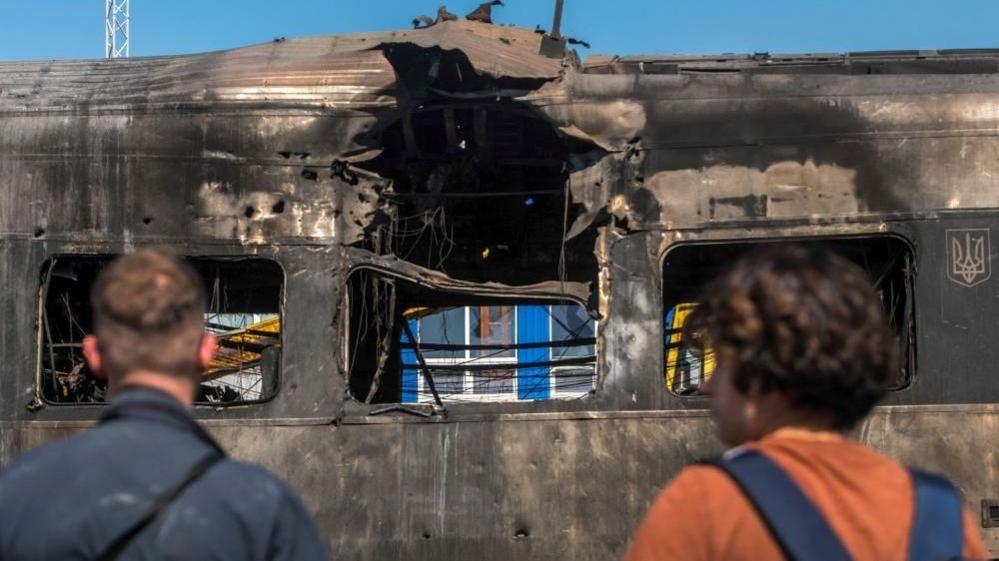
Ukraine’s railways under siege: passengers confront escalating drone attacks
The rail network that has sustained Ukraine since the full‑scale invasion in 2022 is now facing a new wave of attacks. A BBC report shows that more than half of the 521 locomotives hit since the war began were damaged this year alone, a steep rise from the previous 302.
For ordinary citizens, the danger is clear. 27‑year‑old marketing specialist Yuliia Ponomarenko was traveling from Kharkiv to Warsaw when border guards shouted “Run! Get out of the carriages! There is shelling!” as a Russian drone struck a locomotive just minutes ahead. The train they were on was forced to halt, and Yuliia’s party waited for about six hours for the line to clear before the journey continued.
Anastasiia Ryvbalchenko, 17, recounted a similar scare when she was evacuated from a night train from Odesa to Kirovohrad on 16 September. A drone exploded in the distance, and after an hour and a half of waiting in the dark, she walked to the woods and completed her trip on foot. She now says she will no longer travel by train.
Ukrzaliznytsia, Ukraine’s state‑owned operator, said that 5,831 trains were evacuated in September alone, an average of 205 per day. The company’s new “Iron Command Centre” keeps a live feed of passenger and freight movements; any train within a 100 km radius of a drone is evacuated until the threat passes.
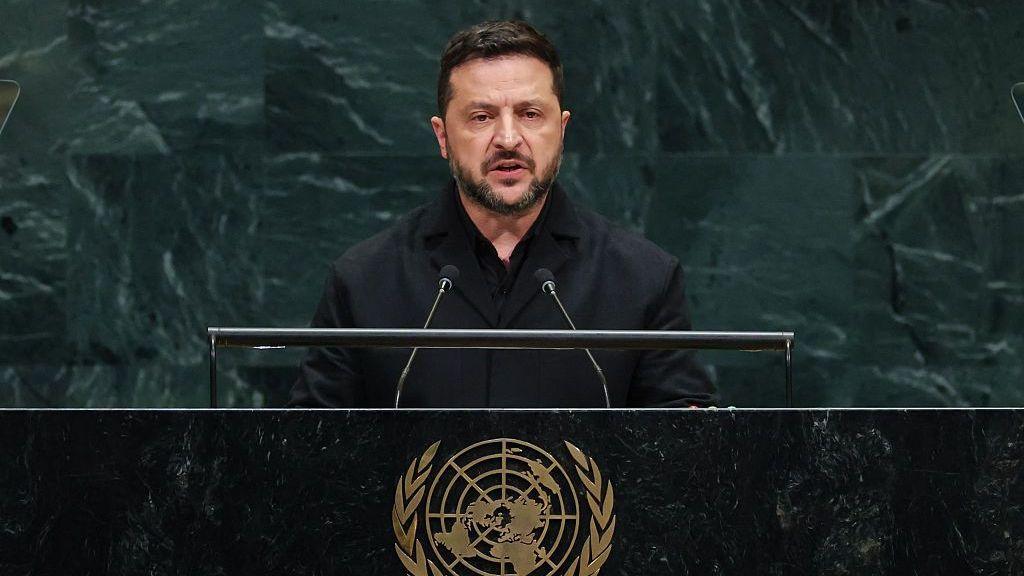
You can find the centre’s first‑hand operations here: Oleksandr Pertsovskyi, CEO said, “We used to be proud of our punctuality. Now the safety of passengers and crew is our utmost priority.” He added that the latest Russian drones employ AI and image‑recognition, making defence a continual cat‑and‑mouse game.
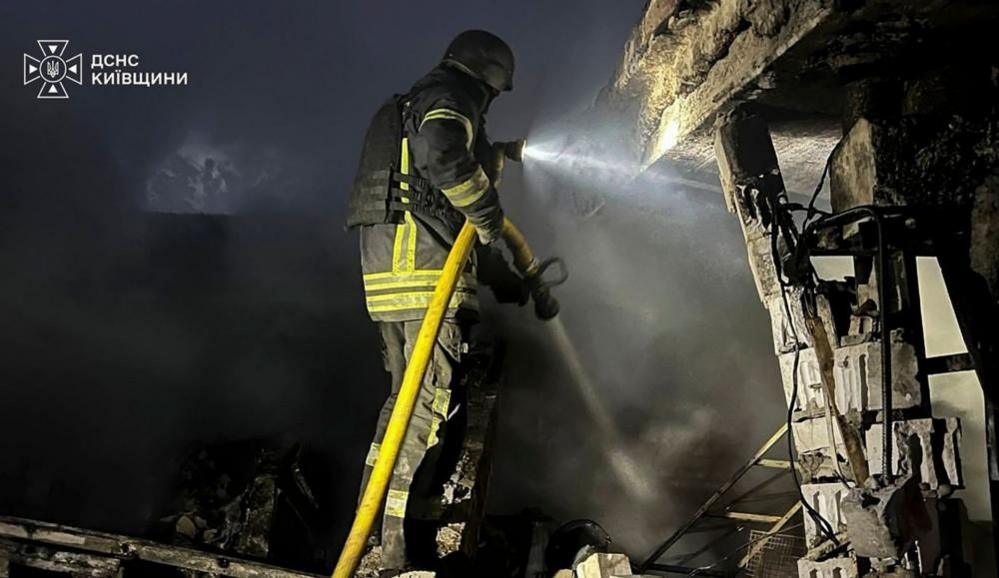
The state’s defence ministry denies targeting civilians, claiming attacks aim at military transport. Yet casualty figures show the reality: in 2026, 8 employees have died, including six in a ballistic missile strike on a locomotive depot in Kyiv.
To mitigate winter disruptions, Ukrzaliznytsia is preparing evacuation packs, mobile shelters, and bus relocations. The company’s preparations aim to keep the network running through harsh conditions that could peak at “-20°C.”
The broader picture is one of civilian infrastructure under pressure. As Russia’s drone campaign intensifies, the daily lives of Ukrainians who rely on rail transport become a frontline reality, raising questions about how the resilience of a nation’s vital arteries is protected amid war.