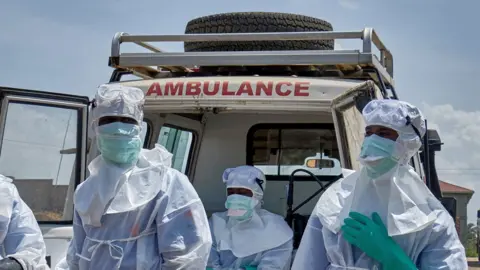
An Ebola outbreak in the Democratic Republic of Congo has been declared a public health emergency of international concern by the World Health Organization (WHO). This outbreak involves a rare strain of Ebola, known as Bundibugyo, for which no vaccine currently exists. Compounding the challenge is the fact that this outbreak is occurring in an area affected by conflict, which complicates containment efforts.
Ebola is caused by a virus typically found in animals, particularly fruit bats, but it can be transmitted to humans through contact with infected animals. Symptoms develop suddenly, resembling flu-like symptoms, and as the disease progresses, severe complications such as vomiting, diarrhea, and bleeding may occur.
The outbreak's difference stems from the rarity of the Bundibugyo strain, which has not been seen for over a decade and historically has a case fatality rate of about a third. There has been difficulty in diagnosing the outbreak as initial blood tests were negative for more common strains of Ebola. Although experimental vaccines are in development, no approved vaccine specifically for Bundibugyo exists.
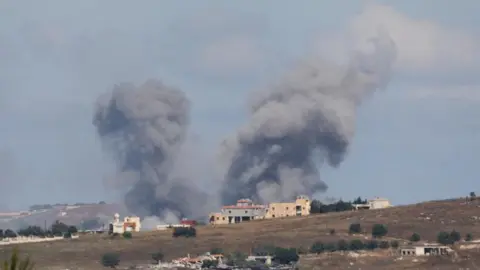
With the outbreak taking place in a conflict zone and a significant number of people displaced, the potential for rapid spread is high. Countries bordering the DRC, including Uganda and Rwanda, are already enhancing their screening and response strategies to mitigate the risk of cross-border transmission.
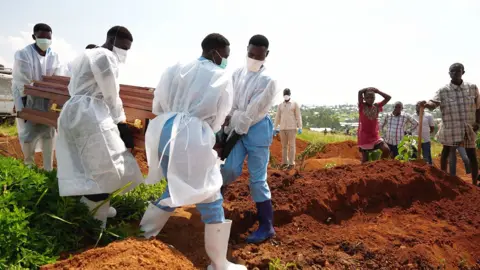
The first confirmed case was traced back to a nurse who succumbed to the illness after being exposed during a funeral, emphasizing the cultural complications that impact public health responses. The WHO’s declaration serves to raise awareness and mobilize international support, but experts believe that the risk of a larger pandemic similar to Covid-19 remains low.
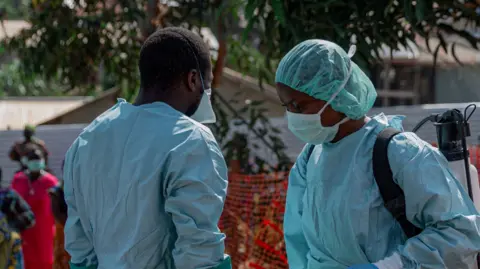
Efforts to tackle the outbreak are underway with health teams deployed, alongside organizations like Médecins Sans Frontières, who are establishing treatment centers and disseminating vital health information. Community measures are encouraged to prevent further spread, including avoiding contact with infected bodies and practicing good hygiene.