The Minerva Gloria is docked at a wharf in the Mississippi Sound, not far from the US's vast oil reserves in the Gulf of Mexico.
The ship, 820ft (250m) long, painted navy and burgundy, is carrying precious cargo from Venezuela that, just six months ago, would have been impossible to bring to the US - 400,000 barrels of crude oil.
Venezuela has the world's largest oil reserves. Under Venezuela's former president Nicholas Maduro, oil exports had dropped significantly due to a lack of investment. Then came US sanctions against any imports from the Latin American country.
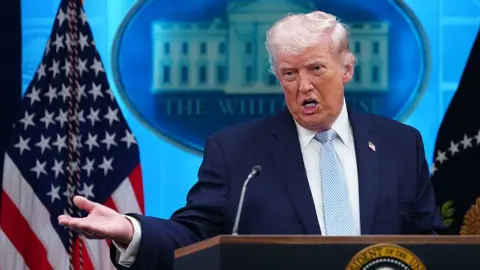
But US President Donald Trump vowed to tap those reserves after the US military captured Maduro in a surprise, night-time raid in January.
Now the oil is flowing again in Venezuela. In March, the country's monthly crude exports surpassed one million barrels per day for the first time since September.
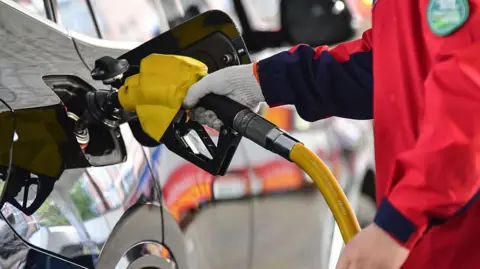
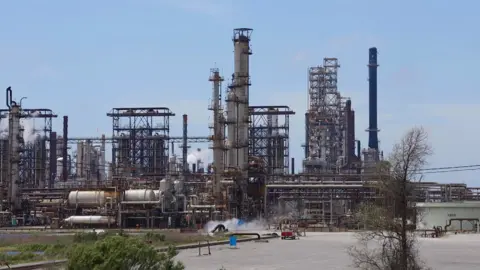
Chevron is now importing the equivalent of 250,000 barrels of Venezuelan crude per day, with plans to increase this figure significantly. The potential influx of Venezuelan oil is expected to help alleviate pressure on US gasoline prices driven by instability in the Middle East and other regions.
However, local drivers are currently witnessing rising fuel costs, with some attributing this disconnect to external market fluctuations and insufficient domestic pricing adjustments. As Chevron continues to navigate these complexities, questions loom about how much Venezuelan oil can ultimately stabilize U.S. gasoline costs.