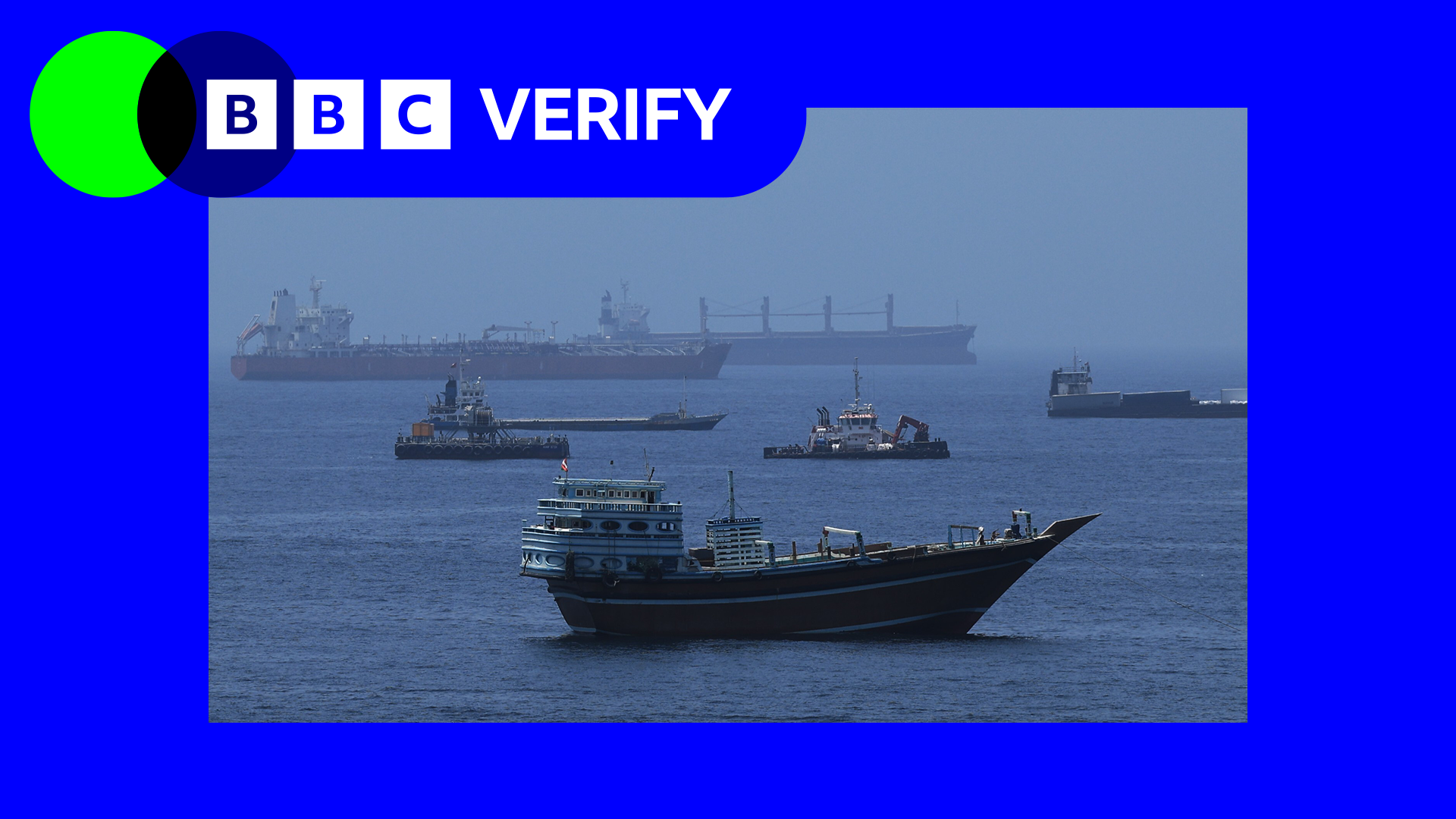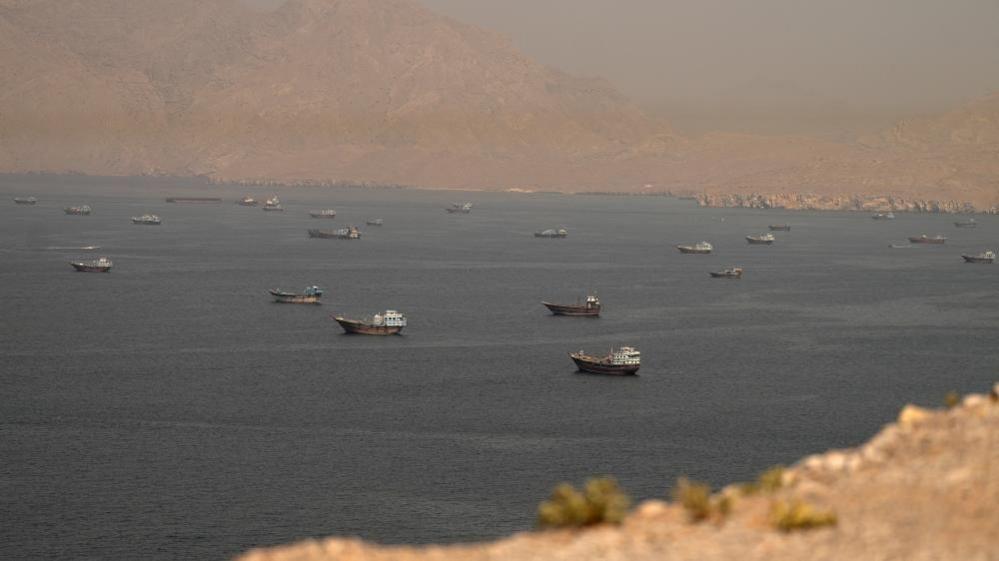
Iran and the US have agreed to a conditional two-week ceasefire, during which shipping traffic will be allowed through the Strait of Hormuz. This agreement follows over a month of escalating tensions marked by coordinated attacks by the US and Israel on Iranian targets. The ceasefire was announced shortly after US President Trump issued severe threats against Iran if it did not reopen the vital shipping route.
Pakistan's Prime Minister Shehbaz Sharif, who played a crucial role in mediating negotiations, confirmed that the ceasefire took effect immediately.
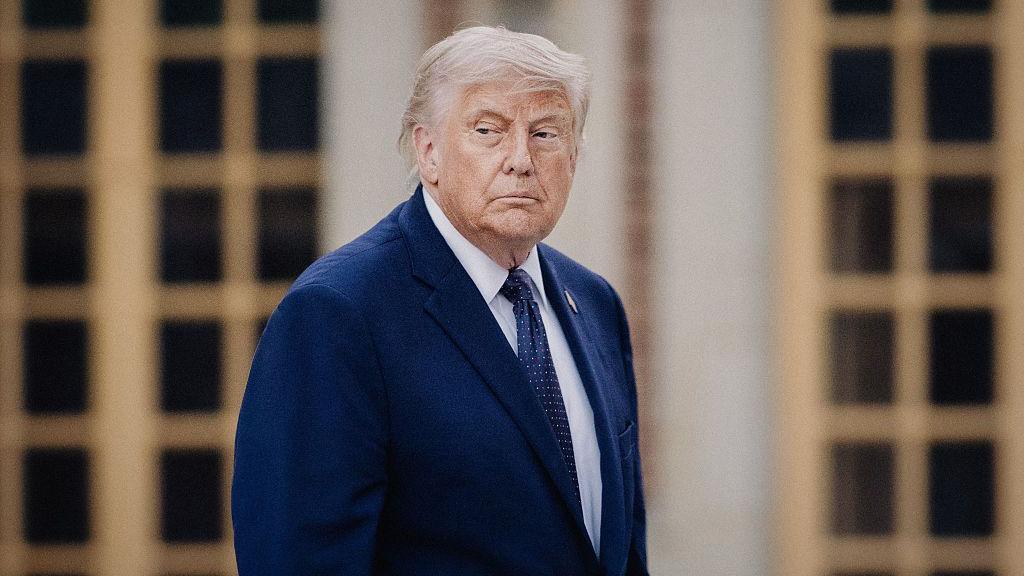
In a significant development, Trump stated he would suspend military attacks against Iran if Tehran reopened the Strait of Hormuz, crucial for oil exports. However, he had previously warned about the potential catastrophic consequences if Iran did not comply.
Tehran, in response, agreed to allow vessels passage through the Hormuz Strait, which will be coordinated by the Iranian military. They have also introduced a ten-point plan that includes demands for the cessation of military conflicts in the region, lifting sanctions, releasing frozen Iranian assets, and a commitment to abstain from developing nuclear weapons.
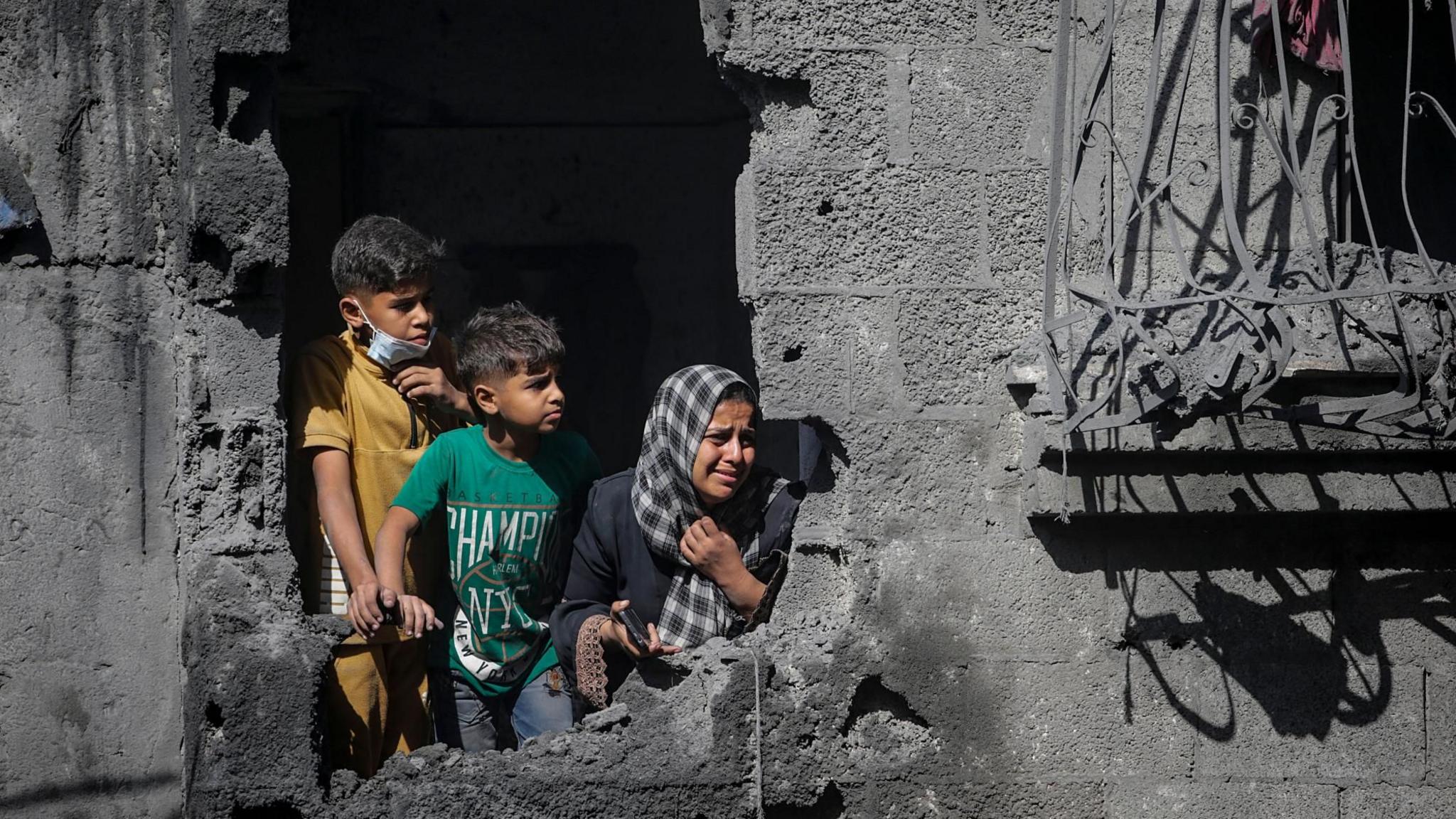
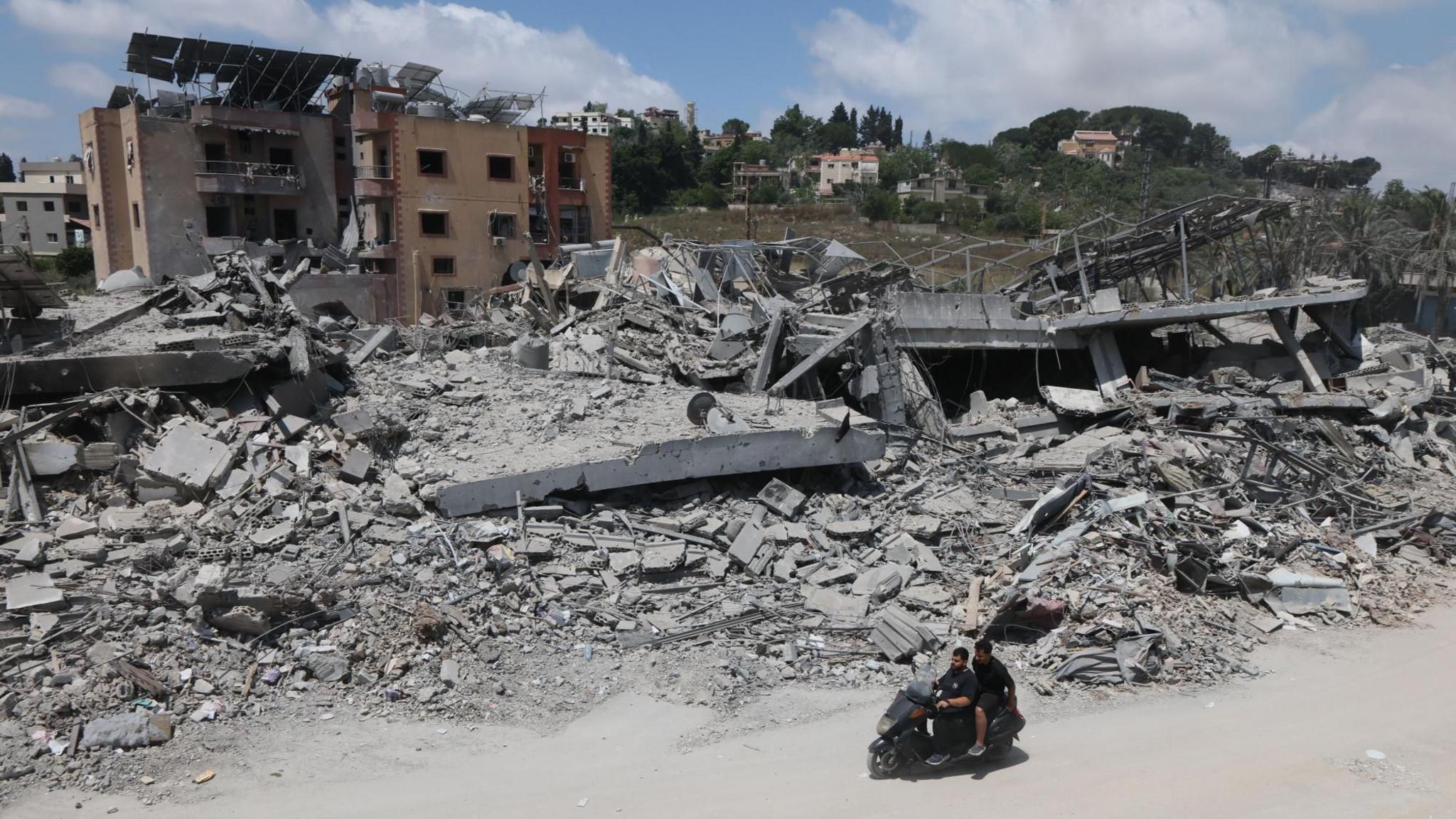
The ceasefire will also extend its effects to Lebanon, where Israel is actively engaging the Iranian-backed militia, Hezbollah. However, Israel has stated it will not cease its military operations until it feels safe from Hezbollah’s threats, complicating the situation further.
In the aftermath of the ceasefire announcement, sirens were activated in Israel following missile launches from Iran, highlighting ongoing tensions in the region. While Israeli Prime Minister Netanyahu supported the ceasefire under specific conditions, he implied that operations in Lebanon would continue.
As Pakistan proceeds to host delegations for further negotiations aimed at a conclusive agreement, the path ahead appears complex, punctuated by conflicting perspectives on the ceasefire's implications. Both nations have previously experienced escalations during negotiations, suggesting the challenges may persist.