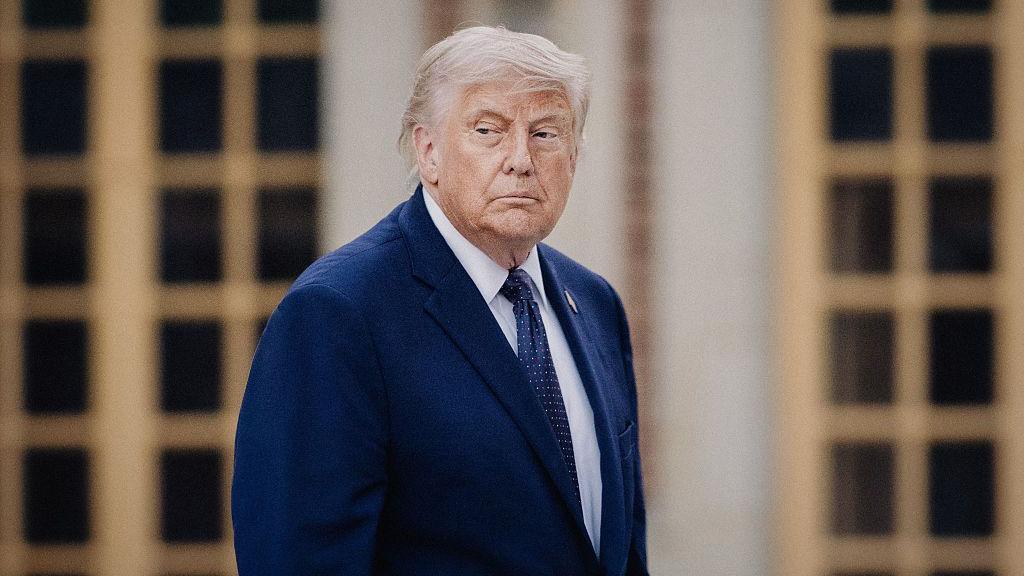
Oil markets slipped sharply on Monday as investors reacted to a speech by former US President Donald Trump, who said a deal with Tehran had been largely negotiated and that an agreement would soon be announced. The comments came after the US was expected to open the Strait of Hormuz, which had been effectively shut since the conflict between Israel and Iran escalated on 28 February.
At 11:00 GMT Brent crude was priced at $97.90, down 5.5 % from the previous day, while US daily freight‑traded crude fell 5.8 % to $90.99. A 5‑day average of the latter hovers above the $70‑per‑barrel level that marked the pre‑war baseline.
The atmospheric change was mirrored across Asian equities. Japan’s Nikkei 225 climbed to above 65,000 points after a 2.9 % gain, buoyed by the prospect of the strait reopening. South Korea, heavily reliant on Gulf oil imports, saw a similar positive rebound.
Trump’s remarks, posted on Truth Social, were a mix of optimism and caution. While he affirmed that the agreement would absolutely prevent Iran from acquiring nuclear weapons, he also urged his negotiating team to take their time to avoid mistakes. He said a call with Israel’s Prime Minister Benjamin Netanyahu “went very well.”
Iranian diplomats responded with a measured tone. The foreign ministry’s spokesman Esmaeil Baqaei said that US‑Iran positions were converging but cautioned that key issues were still pending, accusing Washington of issuing contradictory statements.
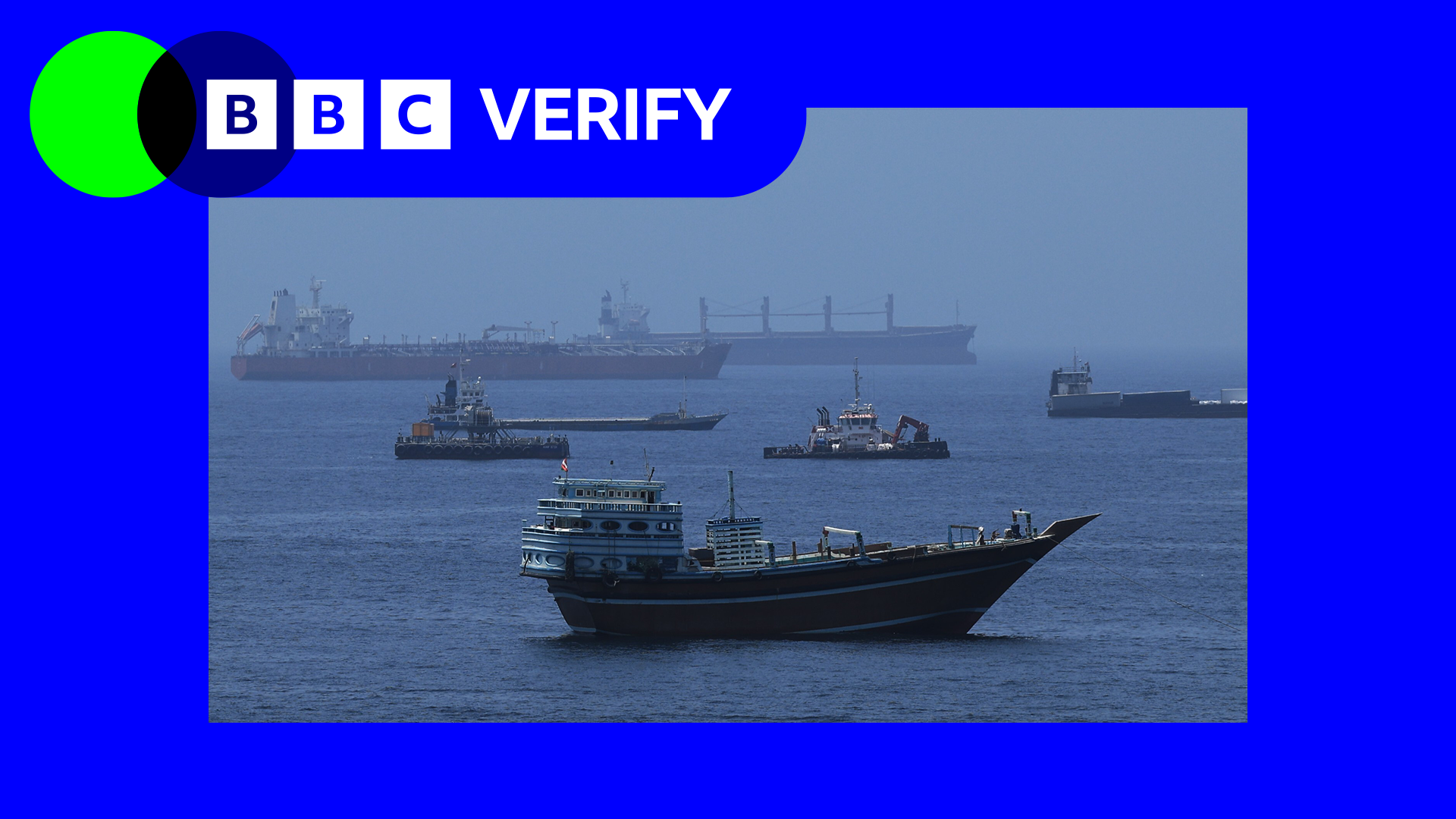
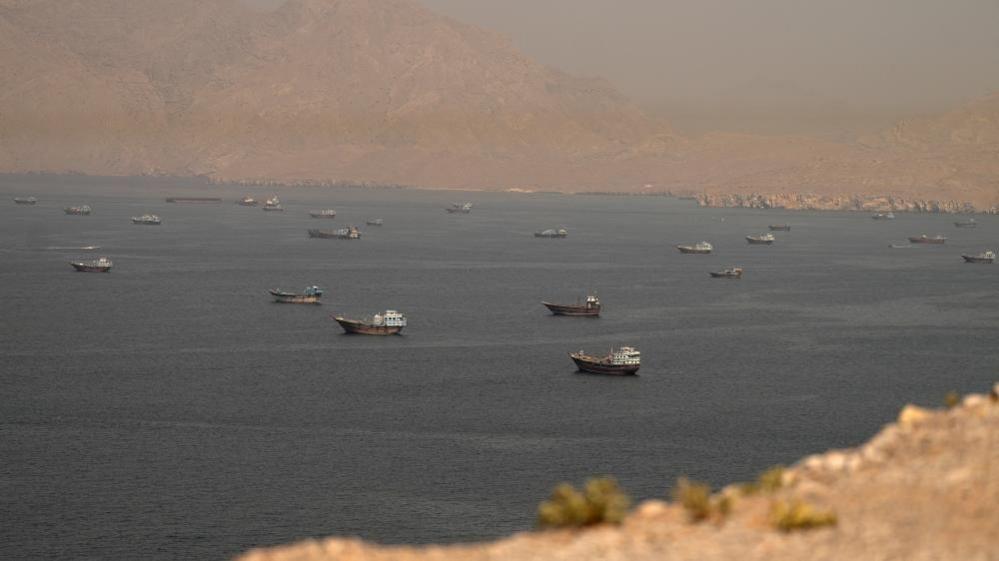
The Strait of Hormuz, a narrow choke‑point through which about a fifth of global oil and LNG passes, has been a major source of disruption since the flare‑up. A temporary cease‑fire was brokered in early April, paving the way for diplomatic talks that are now focusing on a long‑term settlement.
Energy analysts note that even if the strait reopens, supply lines, damaged infrastructure, and depleted global inventories will take time to normalize. “Even in the most optimistic scenario from here, oil markets will remain tight through 2027,” says Saul Kavonic, head of energy research at MST Financial.
The overnight decline in crude prices reflects market optimism, but the entrenched volatility underscores the complex interplay of geopolitical events, supply disruptions, and the underlying resilience of the global energy market. As the world watches for a finalised agreement, the longer‑term trajectory of oil remains a key barometer for the stability of international trade and regional diplomatic relations.
At 11:00 GMT Brent crude was priced at $97.90, down 5.5 % from the previous day, while US daily freight‑traded crude fell 5.8 % to $90.99. A 5‑day average of the latter hovers above the $70‑per‑barrel level that marked the pre‑war baseline.
The atmospheric change was mirrored across Asian equities. Japan’s Nikkei 225 climbed to above 65,000 points after a 2.9 % gain, buoyed by the prospect of the strait reopening. South Korea, heavily reliant on Gulf oil imports, saw a similar positive rebound.
Trump’s remarks, posted on Truth Social, were a mix of optimism and caution. While he affirmed that the agreement would absolutely prevent Iran from acquiring nuclear weapons, he also urged his negotiating team to take their time to avoid mistakes. He said a call with Israel’s Prime Minister Benjamin Netanyahu “went very well.”
Iranian diplomats responded with a measured tone. The foreign ministry’s spokesman Esmaeil Baqaei said that US‑Iran positions were converging but cautioned that key issues were still pending, accusing Washington of issuing contradictory statements.
The Strait of Hormuz, a narrow choke‑point through which about a fifth of global oil and LNG passes, has been a major source of disruption since the flare‑up. A temporary cease‑fire was brokered in early April, paving the way for diplomatic talks that are now focusing on a long‑term settlement.
Energy analysts note that even if the strait reopens, supply lines, damaged infrastructure, and depleted global inventories will take time to normalize. “Even in the most optimistic scenario from here, oil markets will remain tight through 2027,” says Saul Kavonic, head of energy research at MST Financial.
The overnight decline in crude prices reflects market optimism, but the entrenched volatility underscores the complex interplay of geopolitical events, supply disruptions, and the underlying resilience of the global energy market. As the world watches for a finalised agreement, the longer‑term trajectory of oil remains a key barometer for the stability of international trade and regional diplomatic relations.