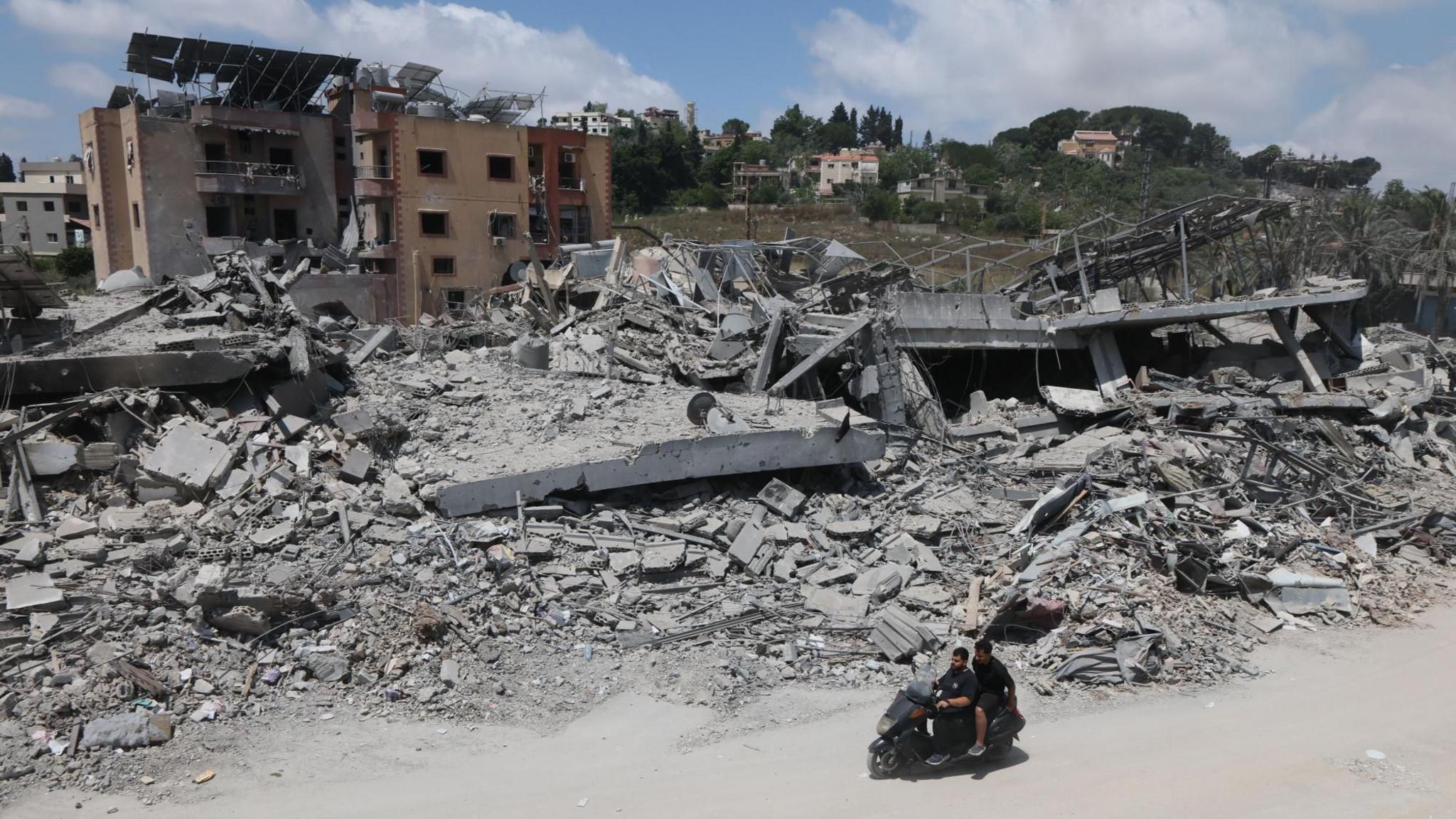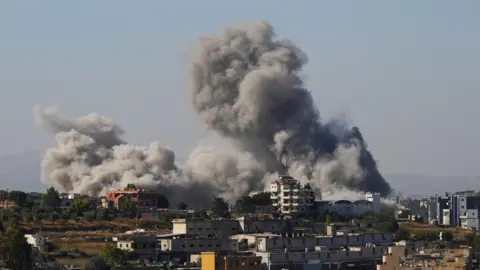
On the night of 25 May, the Israeli Defence Forces (IDF) announced a concentrated campaign of air and artillery strikes on southern and eastern Lebanon. The operation, described by the military as a “heavy” bombardment, was the most intense since the ceasefire between Israel and Lebanon had been brokered in April.
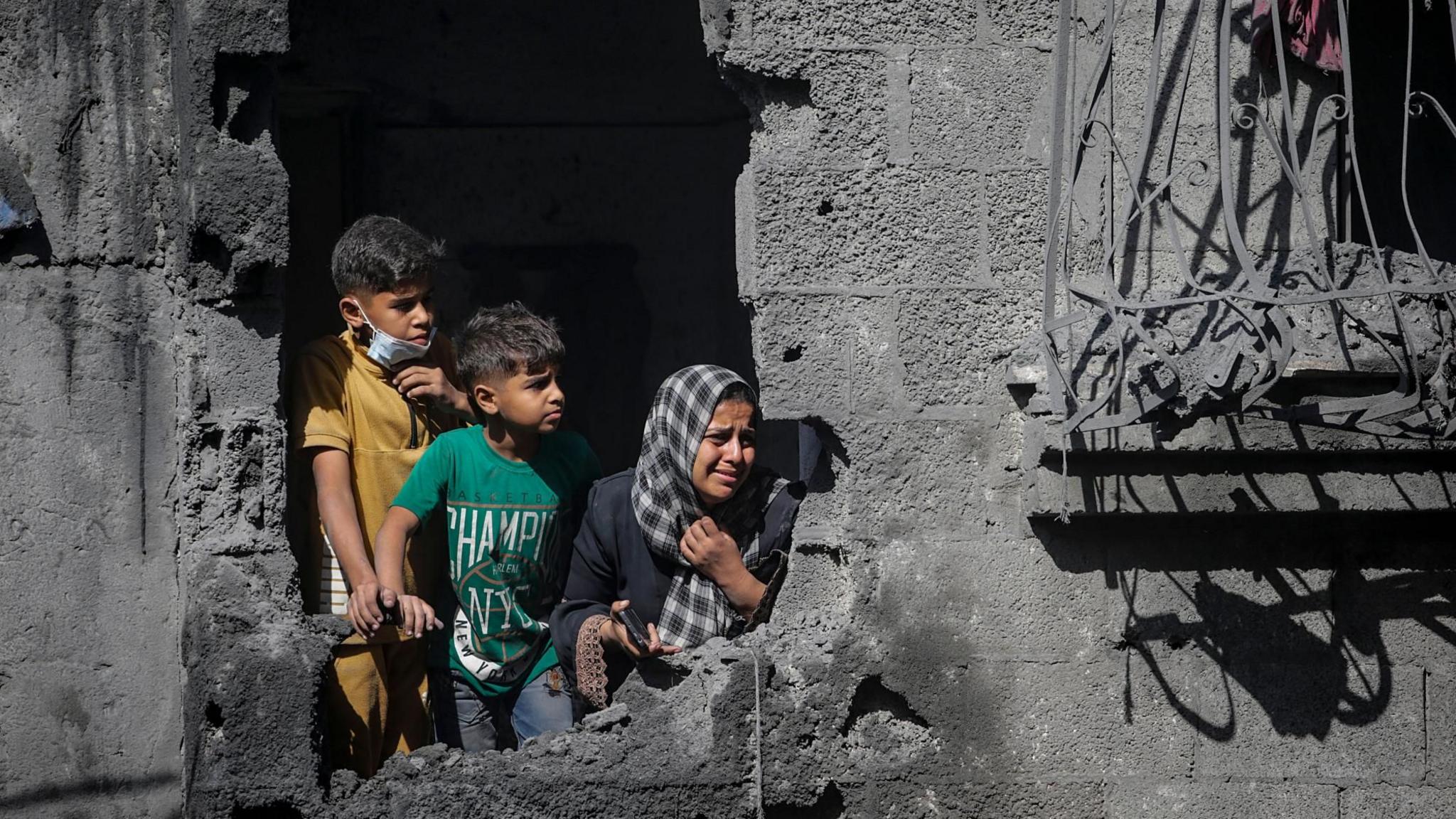
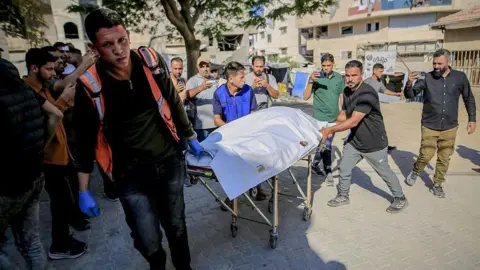
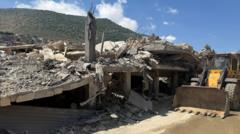
The attacks struck the Bekaa Valley village of Mashghara, where the Lebanese health ministry reported that 11 people were killed, including a woman and two children, and 15 others were injured. The IDF said the strikes had hit more than 100 Hezbollah infrastructure sites – weapons depots, command centres and observation posts – and claimed that the “terrorists” identified in the village were eliminated.
Prime Minister Benjamin Netanyahu, in a televised statement that same night, urged the Israeli military to “press the pedal even harder” against Hezbollah. He warned that Israel would deliver a “crushing blow” in response to what he described as “terrorist activity” carried out by the Iran‑backed Shiite group.
Lebanon’s national news agency and the health ministry confirm the high casualty count and note that the recent strikes are part of a pattern of daily attacks on Lebanese territory, especially in the south. A separate incident the previous evening saw a man and his wife killed in the town of Arab Salim, and additional fatalities were reported in Kauthariyet El Rez.
Hezbollah has responded by claiming it has targeted three Israeli barracks and a military post in the north in retaliation for Israel’s breach of the ceasefire. The IDF’s statement that it has posed new evacuation orders across Lebanon follows accusations that Hezbollah has repeatedly violated ceasefire terms.
According to Israeli military figures, the conflict that began on 2 March has claimed 23 Israeli soldiers and one civilian contractor. In contrast, Lebanon’s health ministry reports that Israeli strikes have killed a minimum of 3,185 civilians over the same period.
The escalation underscores the volatile nature of the ceasefire agreement that came into effect on 17 April, as each side remains vigilant against the other’s attacks. Analysts note that the continued exchange of strikes risks undermining diplomatic efforts to end the wider conflict involving the United States, Israel and Iran.
The United Nations and humanitarian groups have called for rapid de-escalation and protection of civilians for the populations in the affected areas of Lebanon, particularly in the sparsely populated coastal and southern districts which have experienced frequent bombardment.
The situation remains fluid, with both parties signalling that operations will continue until peace can be secured or the ceasefire can be firmly upheld.
The attacks struck the Bekaa Valley village of Mashghara, where the Lebanese health ministry reported that 11 people were killed, including a woman and two children, and 15 others were injured. The IDF said the strikes had hit more than 100 Hezbollah infrastructure sites – weapons depots, command centres and observation posts – and claimed that the “terrorists” identified in the village were eliminated.
Prime Minister Benjamin Netanyahu, in a televised statement that same night, urged the Israeli military to “press the pedal even harder” against Hezbollah. He warned that Israel would deliver a “crushing blow” in response to what he described as “terrorist activity” carried out by the Iran‑backed Shiite group.
Lebanon’s national news agency and the health ministry confirm the high casualty count and note that the recent strikes are part of a pattern of daily attacks on Lebanese territory, especially in the south. A separate incident the previous evening saw a man and his wife killed in the town of Arab Salim, and additional fatalities were reported in Kauthariyet El Rez.
Hezbollah has responded by claiming it has targeted three Israeli barracks and a military post in the north in retaliation for Israel’s breach of the ceasefire. The IDF’s statement that it has posed new evacuation orders across Lebanon follows accusations that Hezbollah has repeatedly violated ceasefire terms.
According to Israeli military figures, the conflict that began on 2 March has claimed 23 Israeli soldiers and one civilian contractor. In contrast, Lebanon’s health ministry reports that Israeli strikes have killed a minimum of 3,185 civilians over the same period.
The escalation underscores the volatile nature of the ceasefire agreement that came into effect on 17 April, as each side remains vigilant against the other’s attacks. Analysts note that the continued exchange of strikes risks undermining diplomatic efforts to end the wider conflict involving the United States, Israel and Iran.
The United Nations and humanitarian groups have called for rapid de-escalation and protection of civilians for the populations in the affected areas of Lebanon, particularly in the sparsely populated coastal and southern districts which have experienced frequent bombardment.
The situation remains fluid, with both parties signalling that operations will continue until peace can be secured or the ceasefire can be firmly upheld.