### Background: A Never‑Ending Cycle of Targeted Strikes
In the aftermath of the October 7 Hamas attack that triggered the Gaza war, Israel has carried out hundreds of air and artillery strikes across the strip. An ongoing ceasefire, signed on October 10, has broken down into a series of near‑daily exchanges that yet again turn the conflict into a cat‑and‑mouse game. The target of the latest strike was Mohammed Odeh, a militant widely regarded as the newest commander of the Izzedine al‑Qassam Brigades, the armed wing of Hamas.
### The Strike and Immediate Aftermath
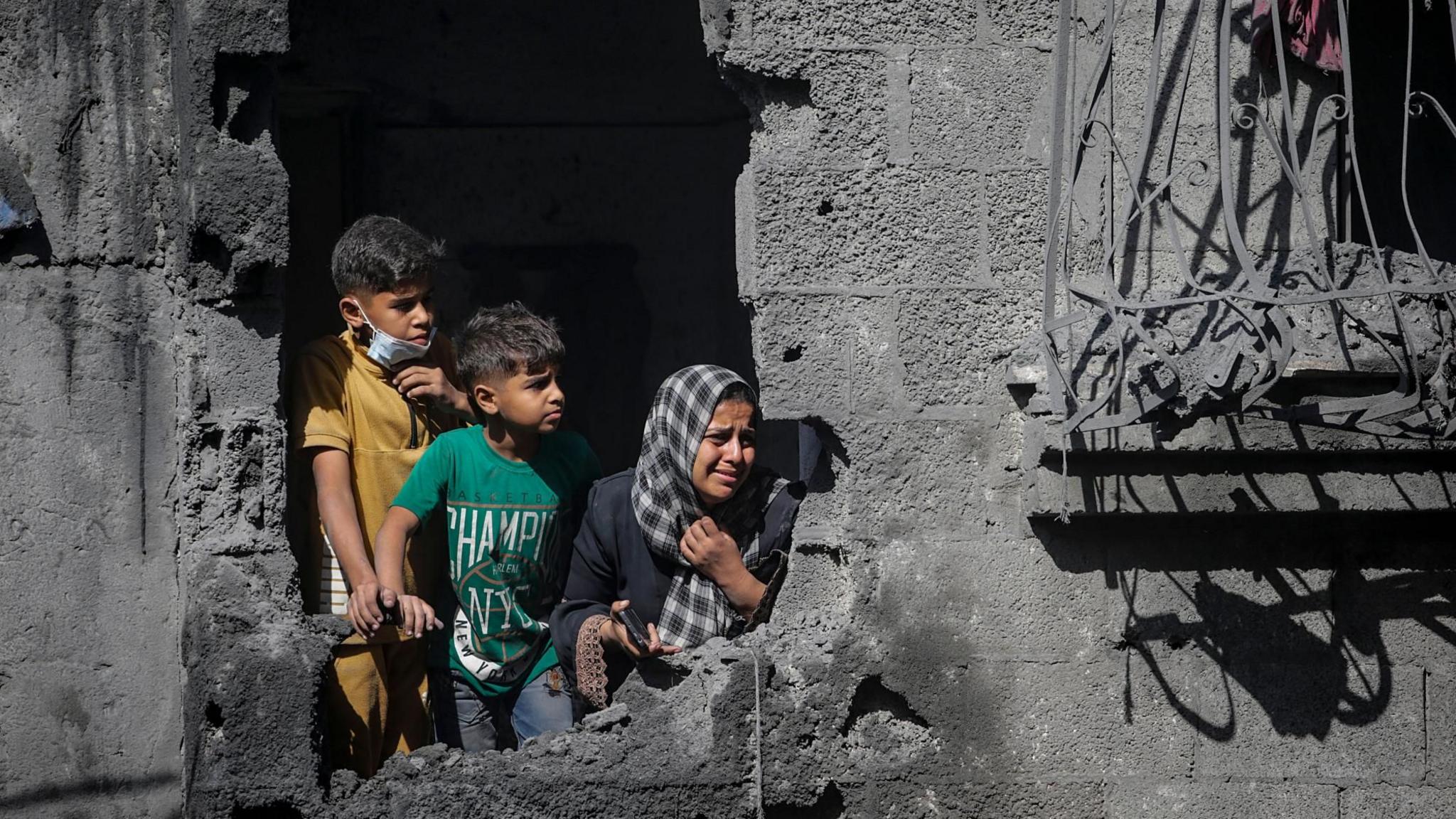
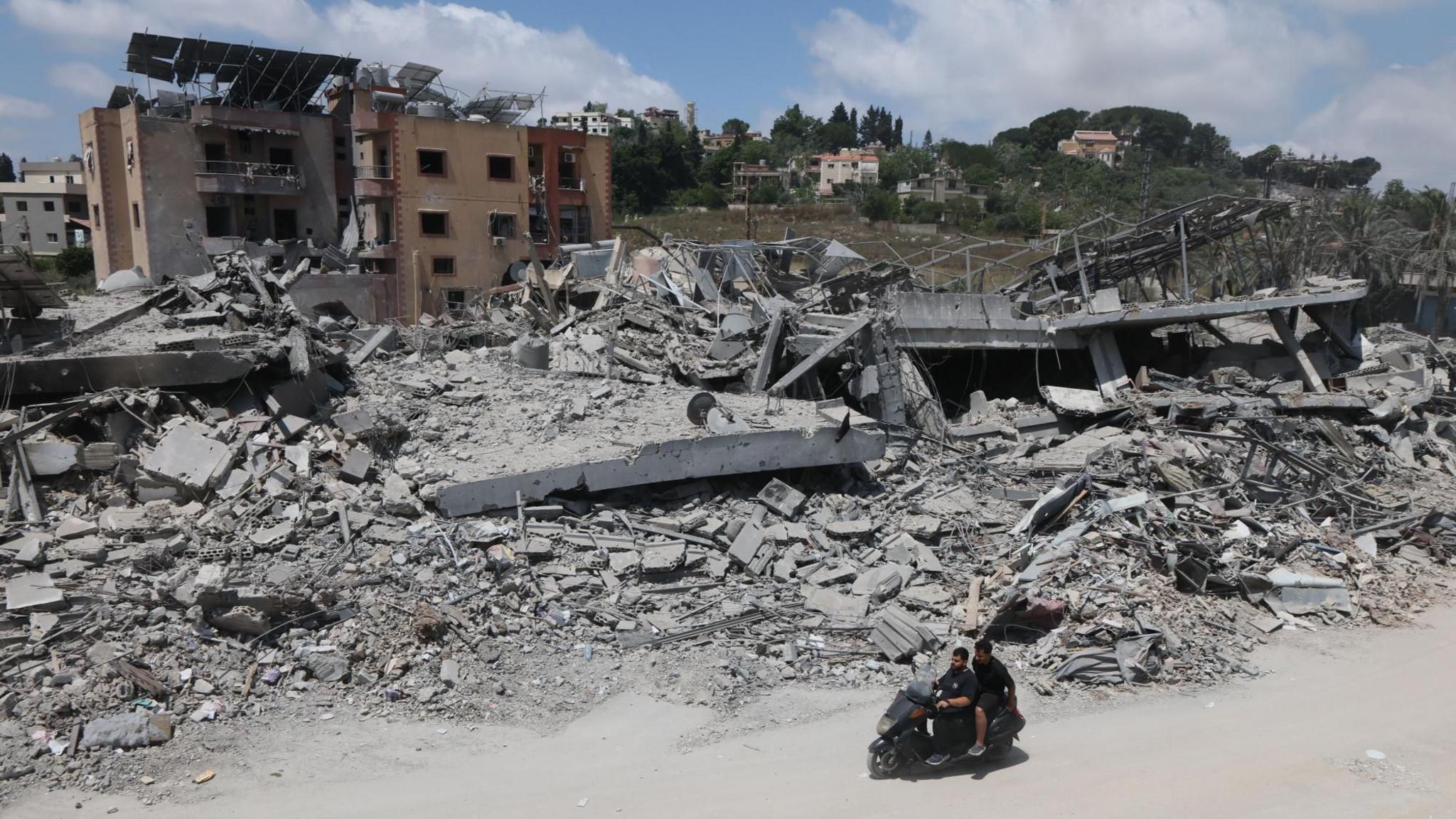
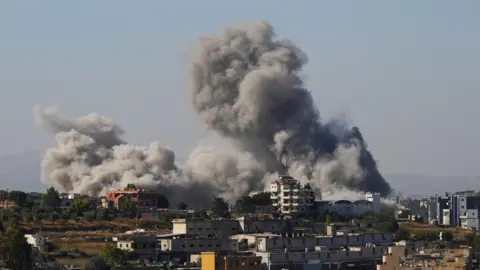
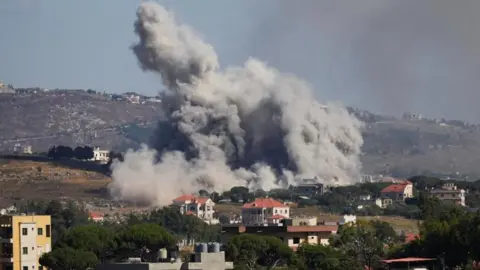
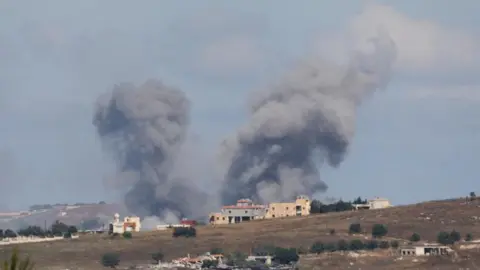
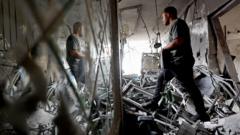
Israeli intelligence traced Odeh’s movements for months. The IDF and Shin Bet claim the strike hit a residential building in the Kīali market area, a bustling commercial hub in central Gaza City. According to local witnesses, five rockets landed almost simultaneously on the upper three floors, flooding the area with ash and debris. The building’s proximity to shoppers and the scheduled Eid al‑Adha celebrations only added to the tragic stakes.
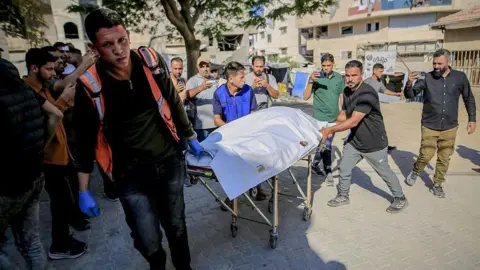
Rescue teams rushed to the scene, only to find themselves swamped by civilian crowds and by the sheer scale of shattered concrete. By mid‑morning, Israeli sources announced that Odeh, his wife, and two children were killed in the strike. The reality remains that dozens of extra civilians were known to have been wounded, a fact that Hamas cites in its condemnation of the operation.
### Navigating Complex Claims and Counter‑Narratives
The Israeli government insists that the strike was not a violation of the ceasefire, but a warranted response to a figure “responsible for the murder and abduction of many Israeli citizens and IDF soldiers.” The strike was characterised as a hit‑and‑run operation designed to co‑habit “the most strategic-of-targets”.
Hamas, on the other hand, claims that the attack was a massacre, targeting a civilian residence rather than a military headquarters. The Hamas‑run health ministry’s latest announcement—highlighting over 900 civilian fatalities during the ceasefire period—adds weight to their narrative that Israel’s campaign continues to be indiscriminate. While the international community looks to the United Nations and other agencies for independent verification, the data on civilian casualties remain contested.
### The Wider Humanitarian Context
Gaza’s 2.1 million residents live amidst a landscape of shattered infrastructure, pervasive displacement, and stringent blockades. Every successful Israeli strike against a Hamas facility risks collateral damage, while each rocket fired by Hamas from the Gaza side imposes another layer of vulnerability on civilian neighborhoods.
The reporting of the strike exemplifies the stark reality of “targeted” warfare, where the line between a military target and a civilian location becomes blurred. An Israeli strike on a residential building—regardless of its tactical justification—sets a precedent that can erode the perceived legitimacy of both sides in international eyes.
### Political Ripples and the Stalled Peace Process
The killing of another high‑rank Hamas commander—after a previous airway strike on the former commander, Izz ad‑Din al‑Haddad—raises the possibility of an internal upheaval within Hamas leadership. Nonetheless, the organisation’s emergency committee hinted at a possible re‑assertion of police authority in Gaza, further deepening the divide between the militant and governing facets of the group.
Simultaneously, the U.S.‑led two‑phase peace plan for Gaza has reached a stand‑still, with the region's civilian administration threatened by ongoing conflict. Israeli Defence Minister Israel Katz has reaffirmed the country’s forensic stance on Hamas governance, both civilly and militarily, asserting that any “voluntary emigration” plan will not be deterred.
### Toward a Path Forward?
While the strike may bring a short‑term tactical advantage to Israel, it underscores the far‑reaching ramifications for civilian safety and the fragile trust resulting from a ceasefire. On a broader horizon, the cycle of attacks and counter‑attacks fuels a grim chase for a lasting peace that must involve legitimate participation from both civil‑military strategists and humanitarian advocates.
An independent, balanced examination points to a high‑risk dynamic where new military appointments within Hamas are targeted by conventional warfare tactics, yet their capture or assassination may only serve to reinforce Hamas’s narrative of resistance— thereby cyclically inflaming the region. A sustainable solution demands, at minimum, recognition of the vested rights of Gaza’s civilian populace, a reconsidered interpretation of “rational defensive measures,” and an urgent, tailored humanitarian approach that lives beyond the mechanics of targeting.
This incident does not merely add a headline; it is a micro‑snapshot that reveals the broader link between political strategy, military actions, and the human daily reality that continues to define the Gaza conflict.
In the aftermath of the October 7 Hamas attack that triggered the Gaza war, Israel has carried out hundreds of air and artillery strikes across the strip. An ongoing ceasefire, signed on October 10, has broken down into a series of near‑daily exchanges that yet again turn the conflict into a cat‑and‑mouse game. The target of the latest strike was Mohammed Odeh, a militant widely regarded as the newest commander of the Izzedine al‑Qassam Brigades, the armed wing of Hamas.
### The Strike and Immediate Aftermath
Israeli intelligence traced Odeh’s movements for months. The IDF and Shin Bet claim the strike hit a residential building in the Kīali market area, a bustling commercial hub in central Gaza City. According to local witnesses, five rockets landed almost simultaneously on the upper three floors, flooding the area with ash and debris. The building’s proximity to shoppers and the scheduled Eid al‑Adha celebrations only added to the tragic stakes.
Rescue teams rushed to the scene, only to find themselves swamped by civilian crowds and by the sheer scale of shattered concrete. By mid‑morning, Israeli sources announced that Odeh, his wife, and two children were killed in the strike. The reality remains that dozens of extra civilians were known to have been wounded, a fact that Hamas cites in its condemnation of the operation.
### Navigating Complex Claims and Counter‑Narratives
The Israeli government insists that the strike was not a violation of the ceasefire, but a warranted response to a figure “responsible for the murder and abduction of many Israeli citizens and IDF soldiers.” The strike was characterised as a hit‑and‑run operation designed to co‑habit “the most strategic-of-targets”.
Hamas, on the other hand, claims that the attack was a massacre, targeting a civilian residence rather than a military headquarters. The Hamas‑run health ministry’s latest announcement—highlighting over 900 civilian fatalities during the ceasefire period—adds weight to their narrative that Israel’s campaign continues to be indiscriminate. While the international community looks to the United Nations and other agencies for independent verification, the data on civilian casualties remain contested.
### The Wider Humanitarian Context
Gaza’s 2.1 million residents live amidst a landscape of shattered infrastructure, pervasive displacement, and stringent blockades. Every successful Israeli strike against a Hamas facility risks collateral damage, while each rocket fired by Hamas from the Gaza side imposes another layer of vulnerability on civilian neighborhoods.
The reporting of the strike exemplifies the stark reality of “targeted” warfare, where the line between a military target and a civilian location becomes blurred. An Israeli strike on a residential building—regardless of its tactical justification—sets a precedent that can erode the perceived legitimacy of both sides in international eyes.
### Political Ripples and the Stalled Peace Process
The killing of another high‑rank Hamas commander—after a previous airway strike on the former commander, Izz ad‑Din al‑Haddad—raises the possibility of an internal upheaval within Hamas leadership. Nonetheless, the organisation’s emergency committee hinted at a possible re‑assertion of police authority in Gaza, further deepening the divide between the militant and governing facets of the group.
Simultaneously, the U.S.‑led two‑phase peace plan for Gaza has reached a stand‑still, with the region's civilian administration threatened by ongoing conflict. Israeli Defence Minister Israel Katz has reaffirmed the country’s forensic stance on Hamas governance, both civilly and militarily, asserting that any “voluntary emigration” plan will not be deterred.
### Toward a Path Forward?
While the strike may bring a short‑term tactical advantage to Israel, it underscores the far‑reaching ramifications for civilian safety and the fragile trust resulting from a ceasefire. On a broader horizon, the cycle of attacks and counter‑attacks fuels a grim chase for a lasting peace that must involve legitimate participation from both civil‑military strategists and humanitarian advocates.
An independent, balanced examination points to a high‑risk dynamic where new military appointments within Hamas are targeted by conventional warfare tactics, yet their capture or assassination may only serve to reinforce Hamas’s narrative of resistance— thereby cyclically inflaming the region. A sustainable solution demands, at minimum, recognition of the vested rights of Gaza’s civilian populace, a reconsidered interpretation of “rational defensive measures,” and an urgent, tailored humanitarian approach that lives beyond the mechanics of targeting.
This incident does not merely add a headline; it is a micro‑snapshot that reveals the broader link between political strategy, military actions, and the human daily reality that continues to define the Gaza conflict.