In brief
The 2026 WNBA draft was spotlighted by former NBA star Enes Kanter Freedom’s declaration to enter the league, citing vague eligibility rules. His claim followed comments by Indiana Fever guard Sophie Cunningham, who said she wanted to protect young girls from competing against biological men, sparking a debate over transgender inclusion. The WNBA’s CBA allows only women, but the precise definition remains unclear, prompting the league and its commissioners to call for a dialogue. Fans and players reacted with protests and calls for clear policy, while other sporting bodies announced stricter rules for transgender athletes.
The 2026 WNBA draft is under scrutiny as former NBA star Enes Kanter Freedom says he will enter the league, citing vague eligibility rules that could include transgender women. It follows remarks by Indiana Fever guard Sophie Cunningham, who said she would protect young girls from competing against “biological men.”
The WNBA’s collective bargaining agreement states only women may play, but the language is untested. League commissioner Cathy Engelbert sent a memo to teams urging a discussion on the matter.
Kanter Freedom’s post on Instagram declared his intent to compete if the only requirement is self-identification. Other players and coaches have weighed in – some supporting inclusion, others calling for clearer policy.
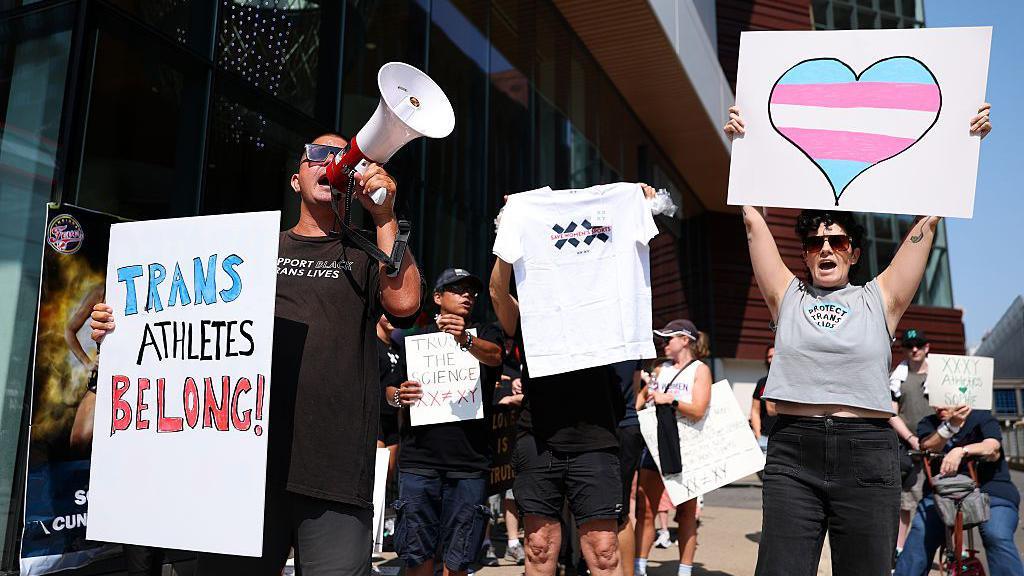
The controversy has sparked protests at games and prompted the WNBPA to reaffirm its commitment to justice and inclusion, while fans are urged to report abusive behaviour. Other sports bodies have moved toward stricter rules, with the IOC planning to restrict women’s events to biological females only from the 2028 Olympics.
League Response and Public Reaction
The WNBA’s rules remain vague, but the league has said it will approach the debate thoughtfully. Cheryl Reeve, head coach of the Minnesota Lynx, displayed a “Trans Kids Belong” T‑shirt in protest of the backlash.
The debate has split players, fans, and sponsors, with some mourning a dilution of competitive fairness and others risking identity politics. The league continues to convene meetings with team presidents and players’ representatives as a definitive policy is still pending.