In brief
As gangs extend their grip on territory, the international community grapples with ineffective solutions, leaving citizens in dire straits.
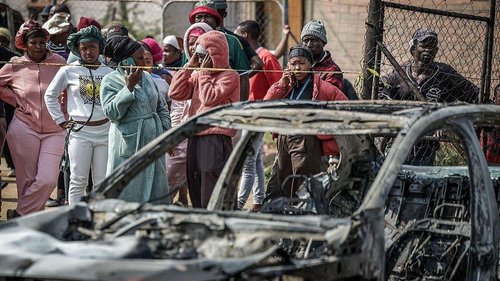
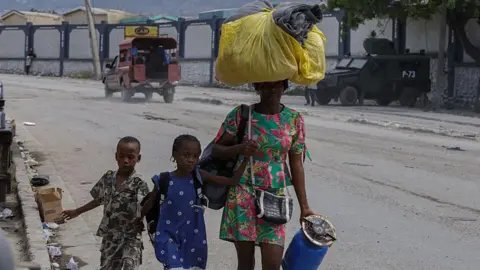
Haiti is currently engulfed in an escalating crisis characterized by rampant gang violence and political instability, driving thousands from their homes. With the country experiencing its third interim prime minister this year, the fatalities have reached over 4,000 amidst incessant brutality from armed groups. Last week's surge in violence led the Federal Aviation Administration to prohibit U.S. aircraft from flying beneath 10,000 feet in Haitian airspace due to fears of being targeted by gangs. Although the U.S. has poured $600 million into supporting an international police force intended to restore order, the situation continues to deteriorate.In Port-au-Prince, the capital, streets lay deserted as residents grapple with the fear of gang-related violence. “I am completely at a loss,” lamented Susan D. Page, a law professor at the University of Michigan and former U.N. official in Haiti. “Everyone is just kind of astounded.” Haiti has endured a prolonged crisis for around fifteen years, a time marked by a devastating earthquake, mismanaged aid, ineffective international interventions, and contentious elections. As the situation spirals out of control, Haitians find themselves increasingly desperate for a viable resolution, with the current interim government's ability to stabilize the territory in question. As international leaders prepare for a new political landscape, it remains crucial for the global community to address and resolve the humanitarian challenges facing Haiti.