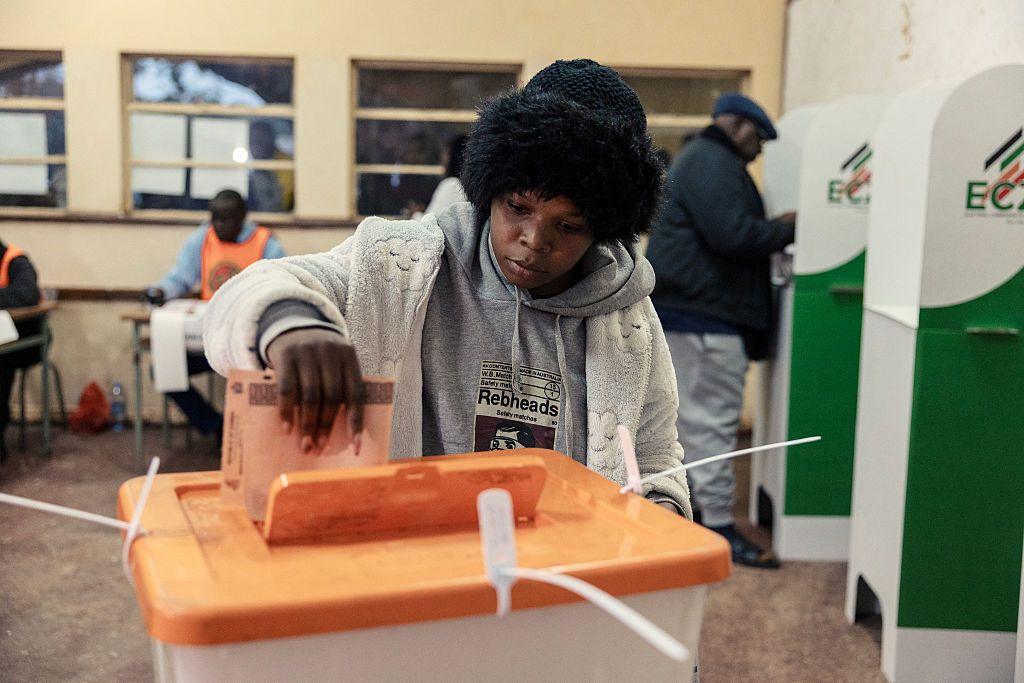
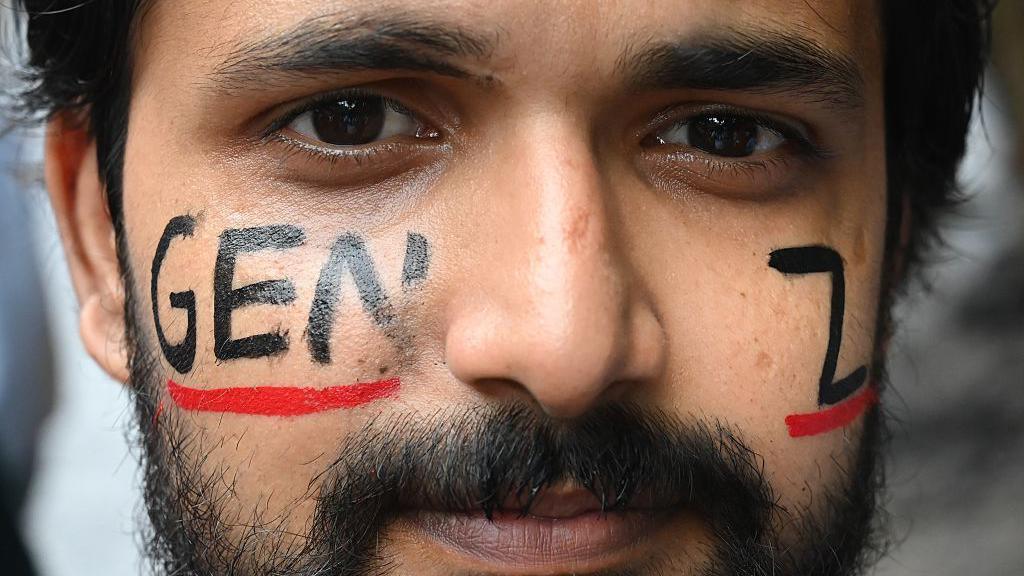
Across Morocco’s cities and the diaspora, a sense of frustration dominates the national debate ahead of the September parliamentary elections. Young voters—yet only about 4 % of the 18‑to‑24‑year‑old electorate—have been pushed into action by protests over unemployment, healthcare and living costs, but their traditional politics have felt distant and unresponsive.
In Tangier a woman walks past massive electoral symbols painted on a wall, while in Rabat the streets have become a staging ground for pro‑Palestinian and anti‑Israel slogans. The Islamist Justice and Development Party (PJD) is emphasising the “mistake” of normalising relations with Israel, pledging to sever ties if elected, a position echoed by an under‑30 delegate who survived a brief arrest during the protests.

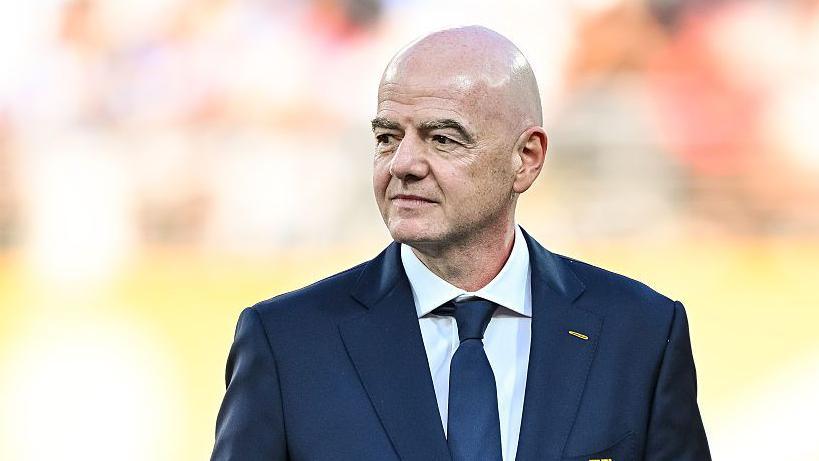
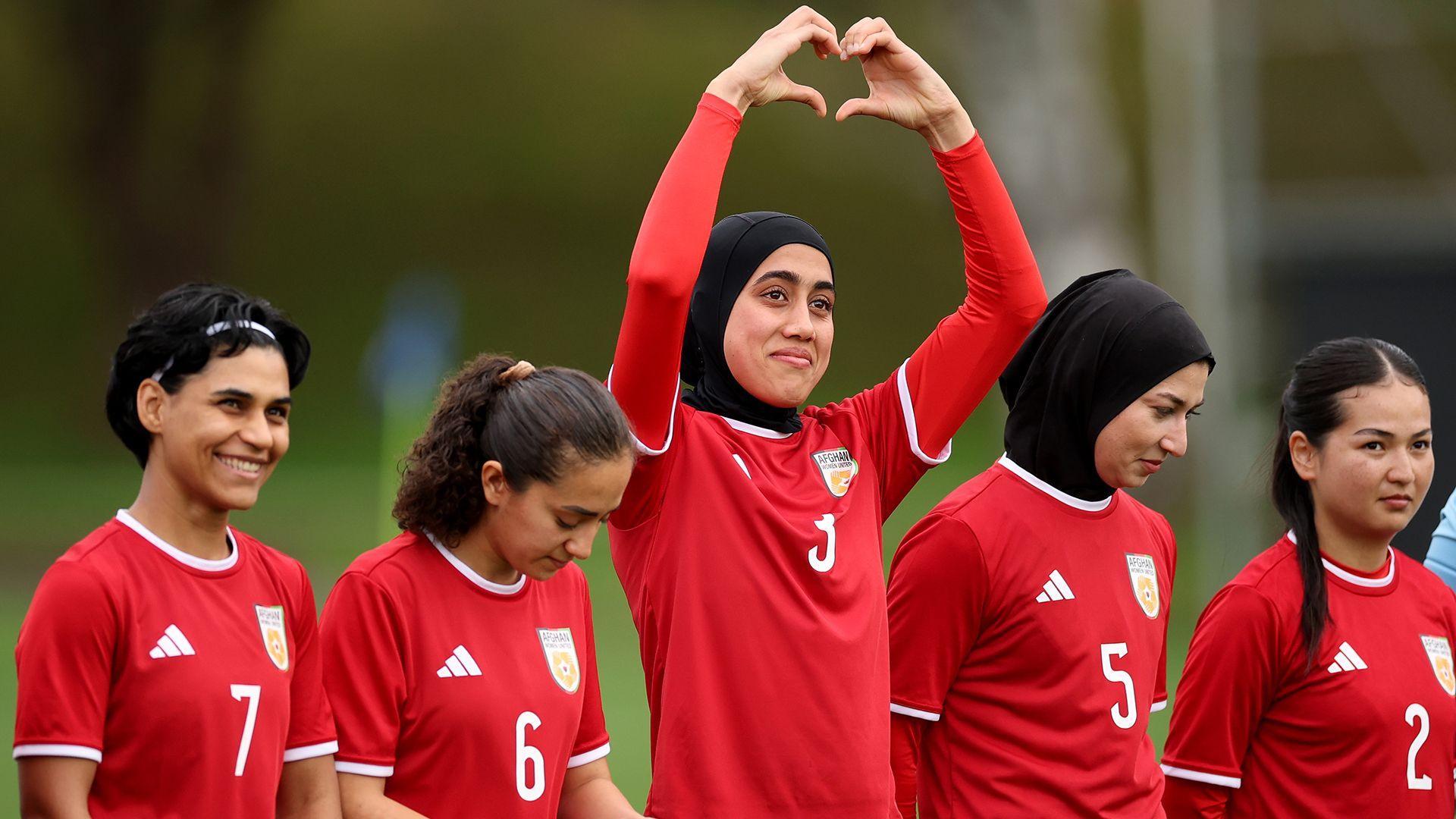
The political scene has also been re‑energised by football. The national team’s success throughout the last two World Cups and the country’s joint hosting of the 2026 tournament has propelled the Royal Moroccan Football Federation’s president, Fouzi Lekjaa, into a new political spotlight. Joining the centrist Party of Authenticity and Modernity (Pam) in July, Lekjaa is busily courting young voters with rally footage that uses the rallying cry “Sir” to tie football ambition to public policy. His promise to make Morocco a “sixth‑place” country in education and health echoes his sport‑driven brand of distraction and aspiration.
Yet executives remain largely tethered to the monarch: King Mohammed VI appoints the prime minister from the party that leads the elections and sits on the Council of Ministers, while individual parties promise large‑scale job creation and wage increases that analysts say are difficult to realise. The Financial Times reports the IMF’s youth unemployment sits at 37 %—a stark backdrop for the “one million jobs” pledge that Pam has floating ahead of the vote.
The migration cliff that saw some 60,000 Moroccans attempt to reach the Spanish territory of Ceuta last summer adds urgency to the debate. A candidate from the Environment and Sustainable Development Party, Hamza El Kharroubi, now runs for parliament after almost being arrested for protesting the crisis that led to at least 100 deaths. He argues that the economic hardship driving past migration must be addressed with accountability for those who died and compensation for families.
Multiple voices warn that no single party is ready to deliver meaningful reform: the current king, the monarch‑favoured parties and the nationalist PJD each offer symbols more than solutions. However, a growing faction of youth, both inside Morocco and abroad in places like Montreal, are calling for votes or for community building as a more realistic approach to change.
The outcome of the election will decide the composition of Morocco’s next government and the trajectory of its social and economic policies. With so many newly mobilised young voters, football chants, Ceuta migration memories, and anti‑Israel sentiment on city streets, the political future remains uncertain. Yet even surrendering to a “circus” may inspire a broader dialogue on how to hold leaders accountable and deliver on the public’s aspirations.