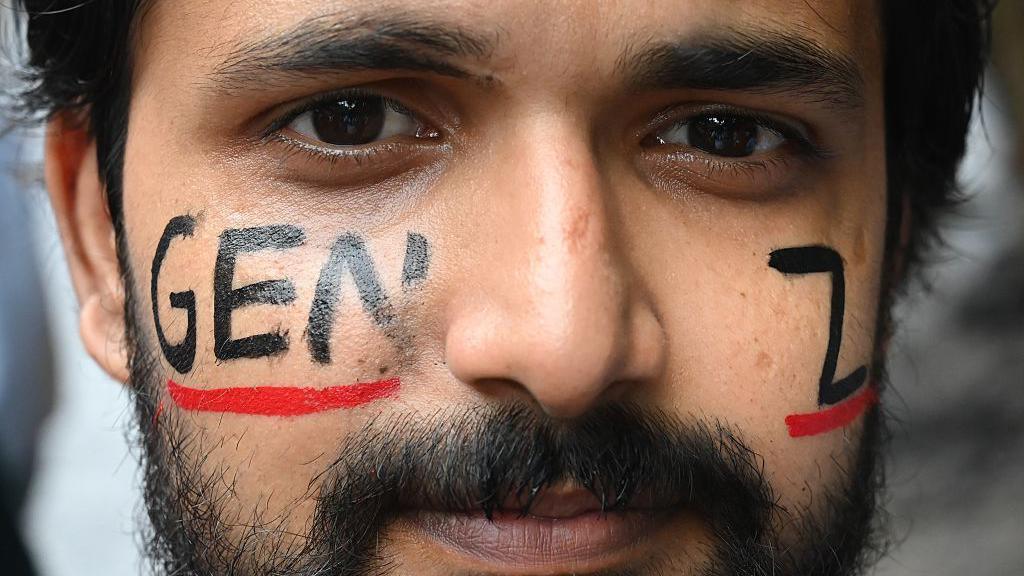
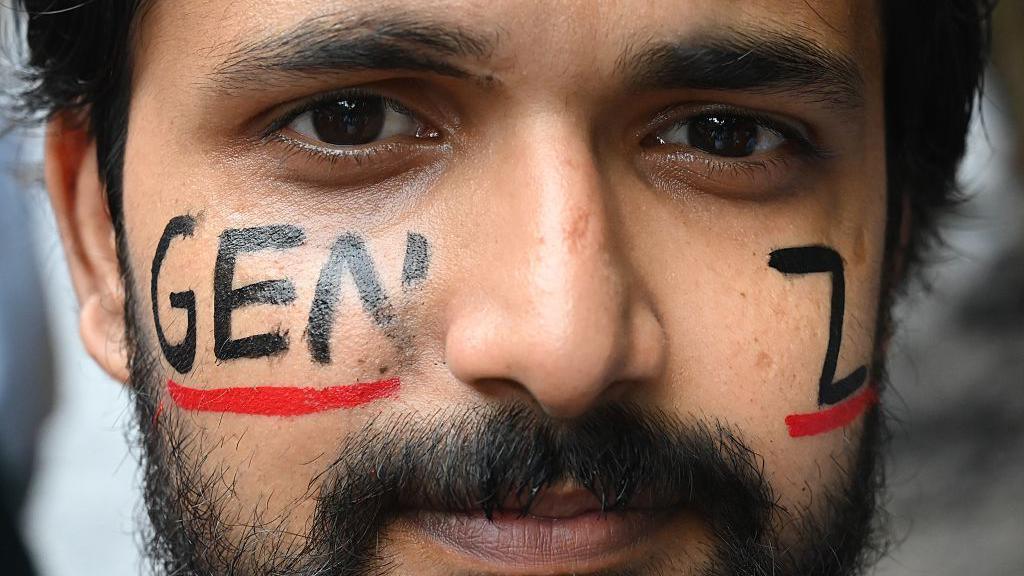
In late May the political scene in India was jolted when several hundred Gen‑Z activists marched through Delhi’s public square over a series of high‑profile exam paper leaks. The protests forced Education Minister Dharmendra Pradhan to resign, a move that temporarily defused the blaze but left a deeper, unaddressed fissure in the country’s young population.
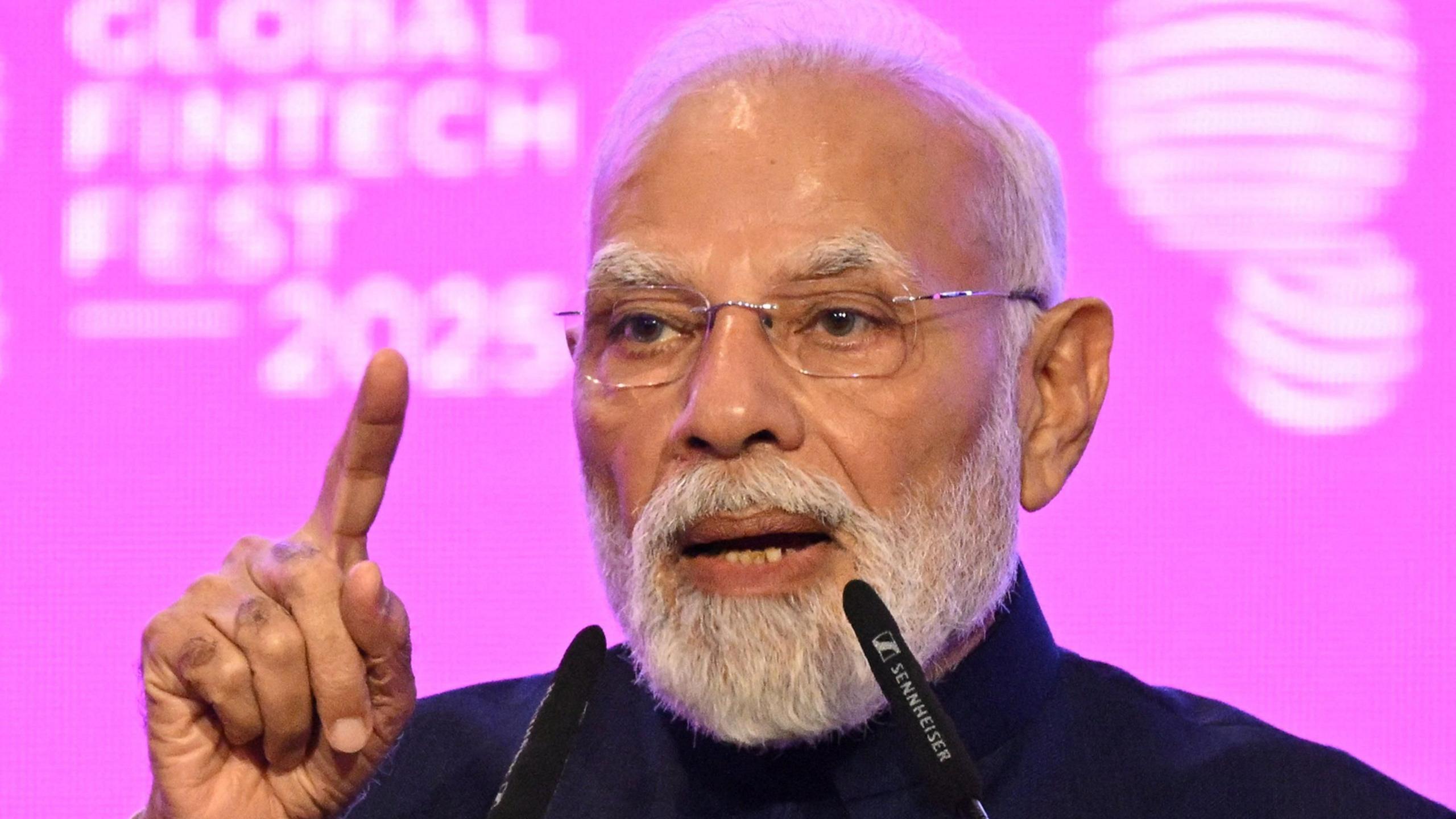
Prime Minister Narendra Modi responded swiftly: a decree announced fast‑track courts that will try those suspected of leaking exam papers, and he tapped billionaire technologist Nandan Nilekani to lead a nationwide effort to reform the examination system. Yet the steps are largely tactical rather than transformative.
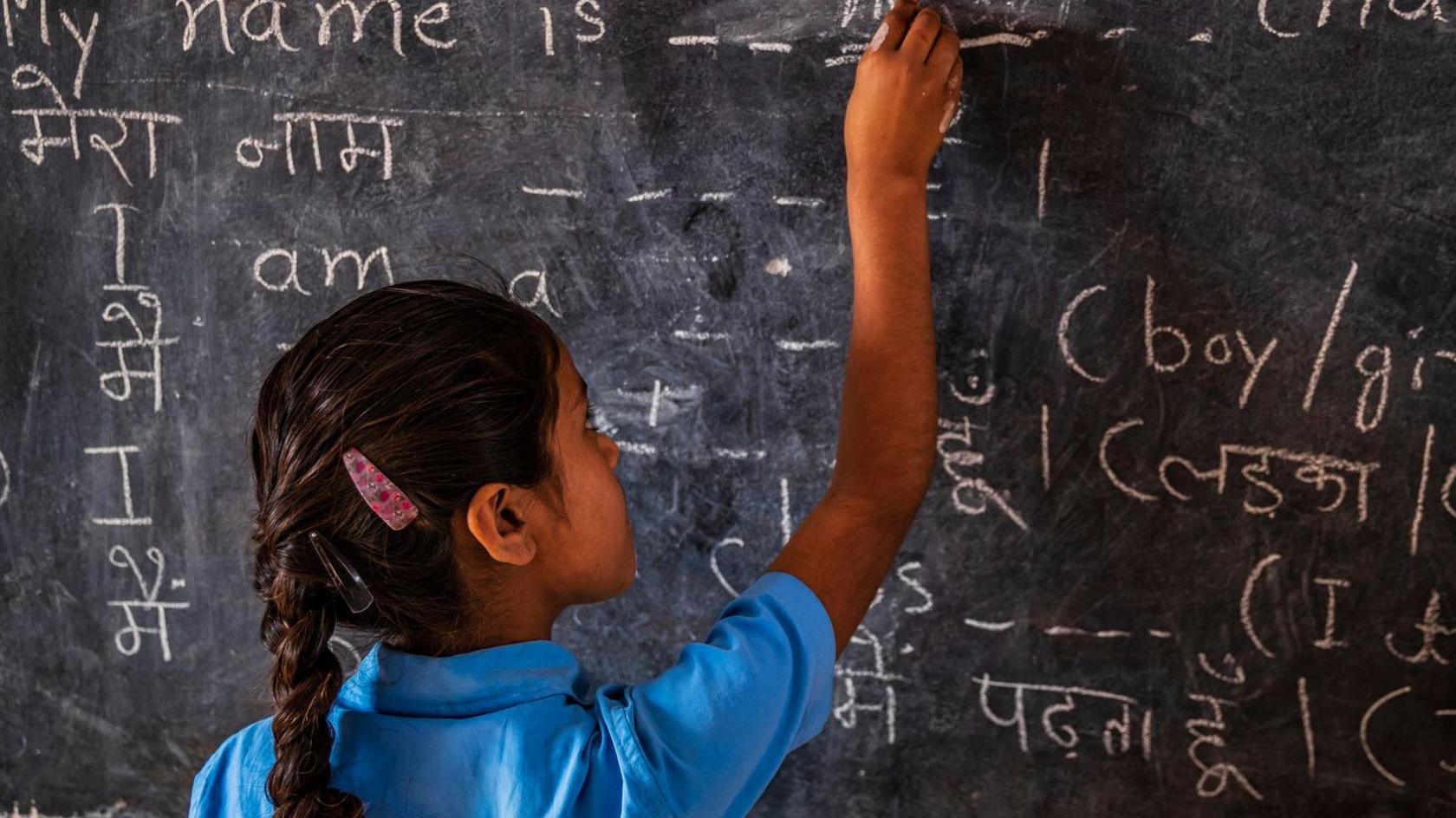
Across the nation, youth unemployment remains a stubborn problem. According to the State of Working India 2026 report, nearly a third of all graduates are unemployed – the highest rate in 25 years. The widening gap between education outcomes and the labour market is compounded by a manufacturing sector that has shrank from 17 % of GDP a decade ago to just 14 % today, leaving fewer jobs for the new workforce.
Adding urgency, large parts of India’s software industry are shaken by the advent of artificial‑intelligence tools. Goldman Sachs estimates 8‑12 % of non‑farm jobs could be displaced by AI in the next five years. The shift means hiring practices are moving from academic degrees to demonstrable skills, further sidelining recent graduates whose careers were built around the promise of secure, office‑based roles.
“The first wave of frustration comes from the failure of the education system to match skills to contemporary job roles,” says veteran economist Santosh Mehrotra. “Re‑focusing on vocational training and critical skills is the only way forward.”
For the Modi government, the challenge is no longer a singular act of crisis‑management but a sustained programme of systemic change: enhancing teacher quality, aligning curricula with industry needs, revitalising small‑ and medium‑sized manufacturing, and deploying AI responsibly in hiring.
The protests, though sparked by a seemingly specific issue, signal a larger movement. If the government fails to reshape the outlook of India’s 360 million‑person youth demographic, the current momentum could erode the political ground that has fueled Modi’s governance, making the generation’s concerns the foremost hurdle in his future policy agenda.