Arizona Toddler Found Alive in Hospital After Death Declaration Sparked Shock
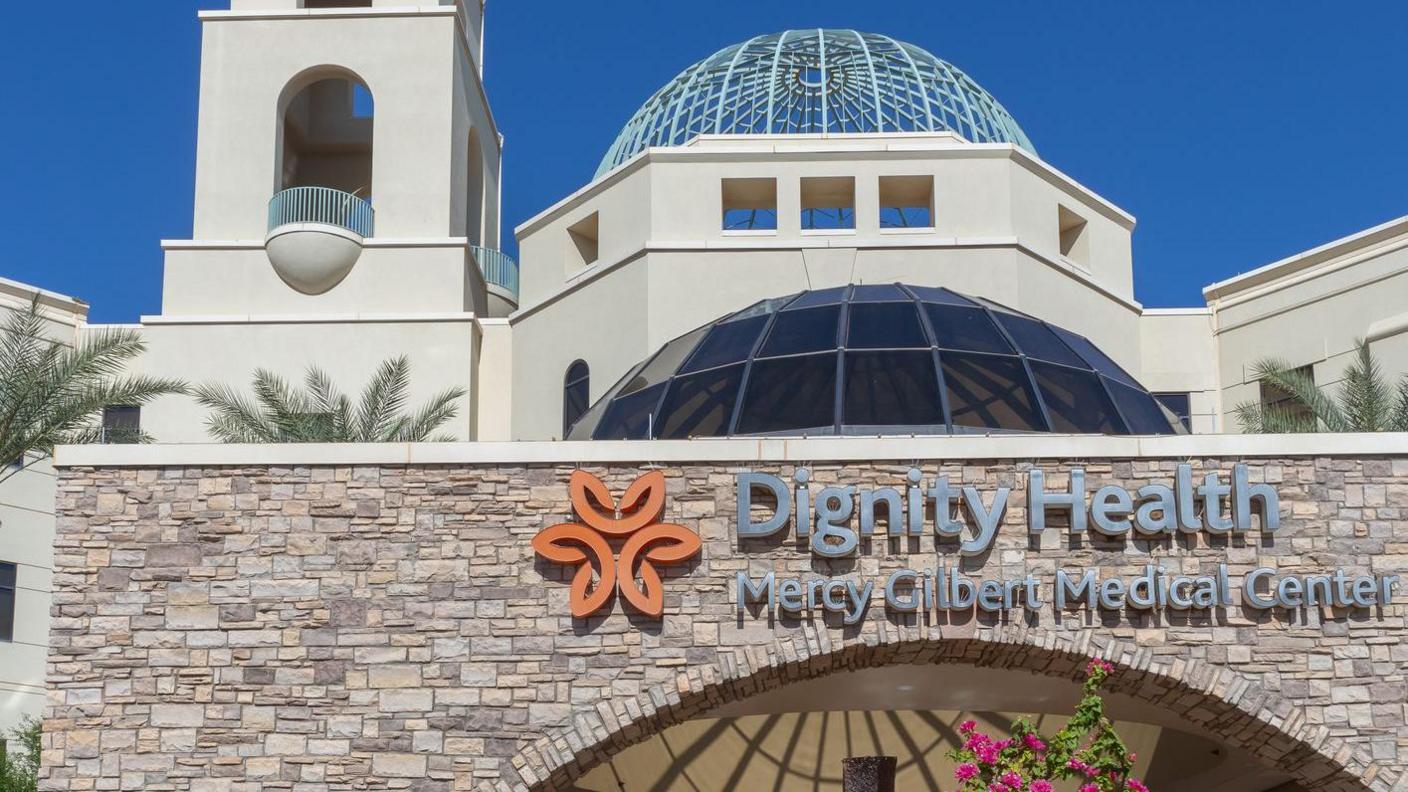
On 8 February, 18‑month‑old Leighton Whitaker was rescued from a backyard pool in Gilbert, Arizona, and rushed to Mercy Gilbert Medical Center. Hospital staff initially announced the child had died at 18:20 MST, but five hours later, a Medical Examiner’s responder discovered he was still breathing, prompting a transfer to another facility where he recovered and was released.
According to a police report released to the BBC, first responders performed life‑saving measures and transported the toddler, who was first declared deceased. Dr. Aryan Toosi, a physician at Mercy Gilbert, was told by officers that signs of life were evident, a claim he reportedly denied while proceeding with his clinical evaluation. The doctor later declared the “time of death” and cited procedural steps before the unexpected finding by the Medical Examiner’s office.
Protocols and Miscommunication
The incident has highlighted potential gaps between emergency services and hospital protocol. While the police report indicates officers believed the child was alive, the formal declaration of death was made during the initial medical assessment. Hospital spokespersons are conducting an internal review of all care components, stating the goal is to understand where the disconnect occurred and to fortify future responses.
Family, Legal, and Community Reactions
The Whitaker family has expressed shock at the decision that the child was declared dead, arguing their trust in emergency personnel was misplaced. Police are recommending negligence charges against the parents, citing potential unsupervised access to the pool following evidence of marijuana odor at the residence. The Maricopa County Attorney’s office has yet to confirm whether formal charges will be filed.
Community responses have varied from outrage over perceived safety lapses to supportive calls for increased childcare supervision in private homes. Local health authorities are reviewing state regulations concerning pool safety and emergency medical response protocols.
Looking Forward
The incident has prompted broader discussions on the accuracy of death determinations in emergency settings and the importance of clear, documented communication among first responders, medical staff, and family members. As legal inquiries proceed and investigations into hospital practices unfold, the case serves as a cautionary scenario for policy makers aiming to prevent similar tragedies.