Brazilians Vote in Tense Presidential Election
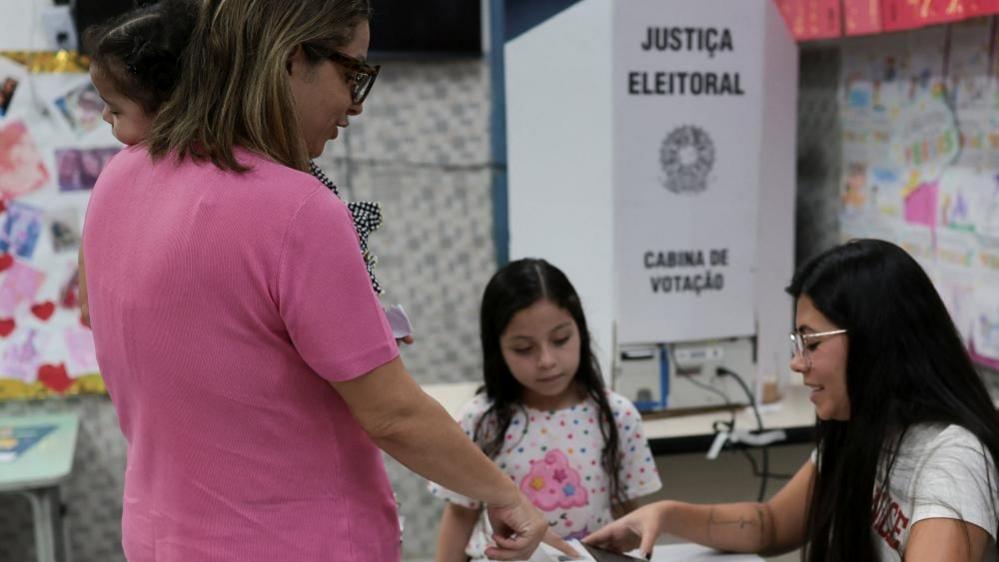
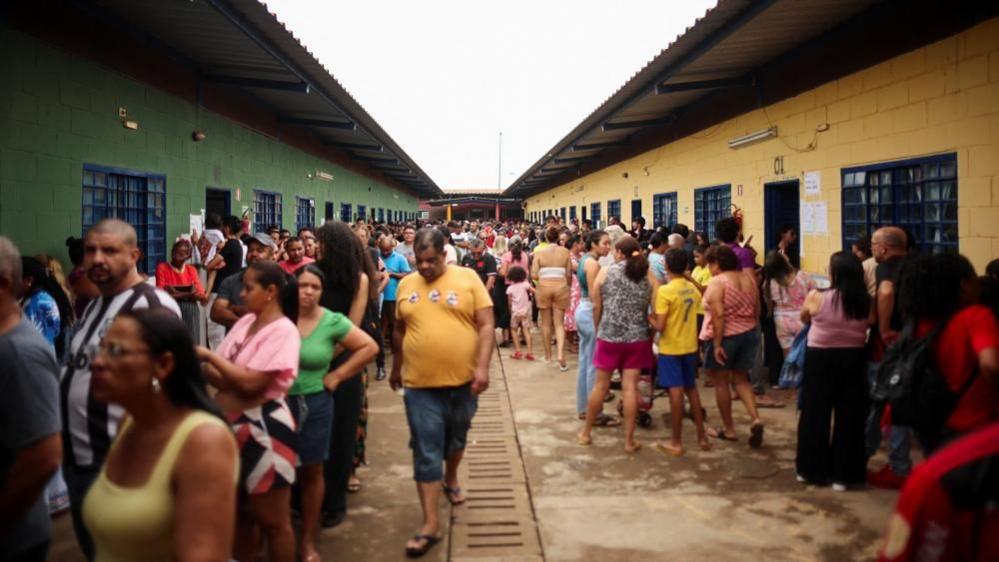
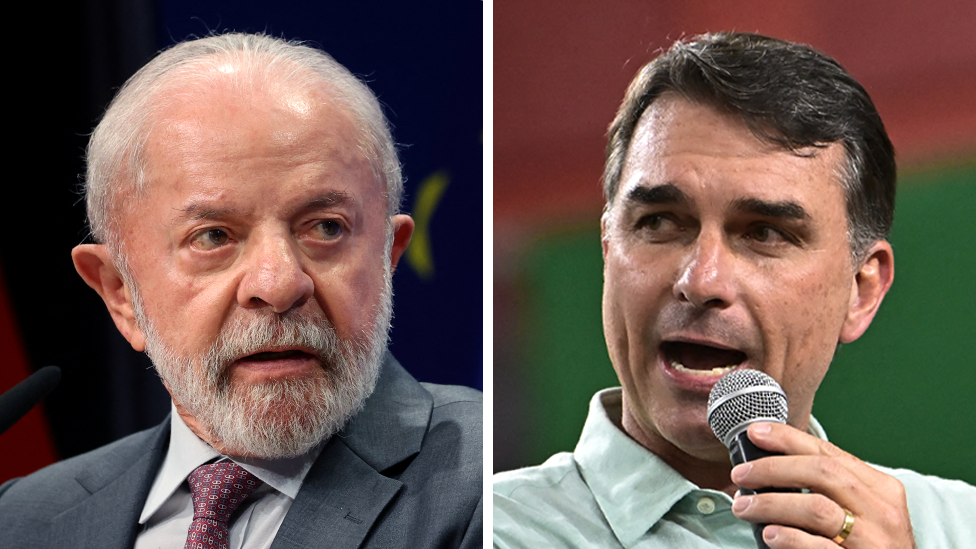
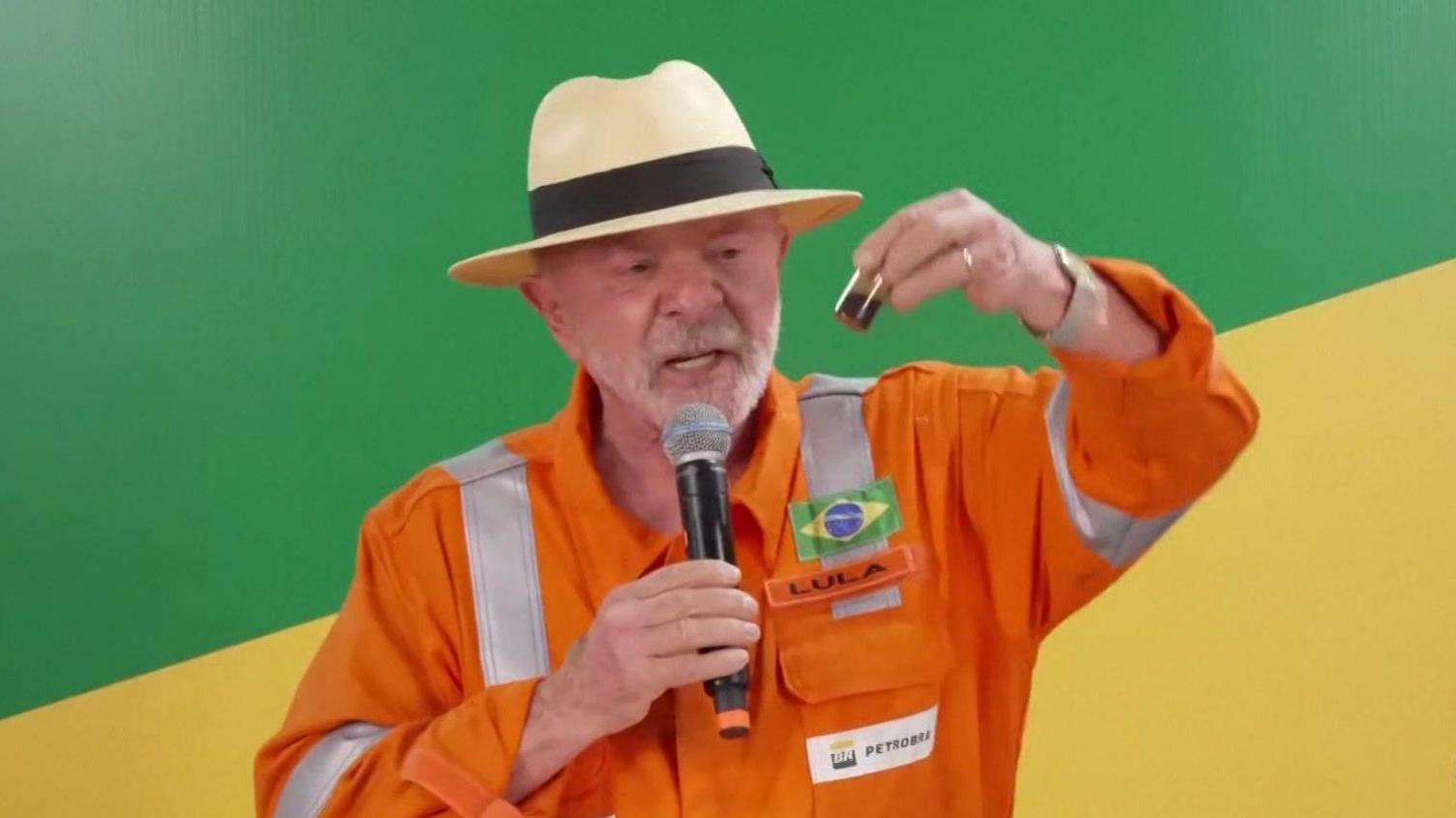
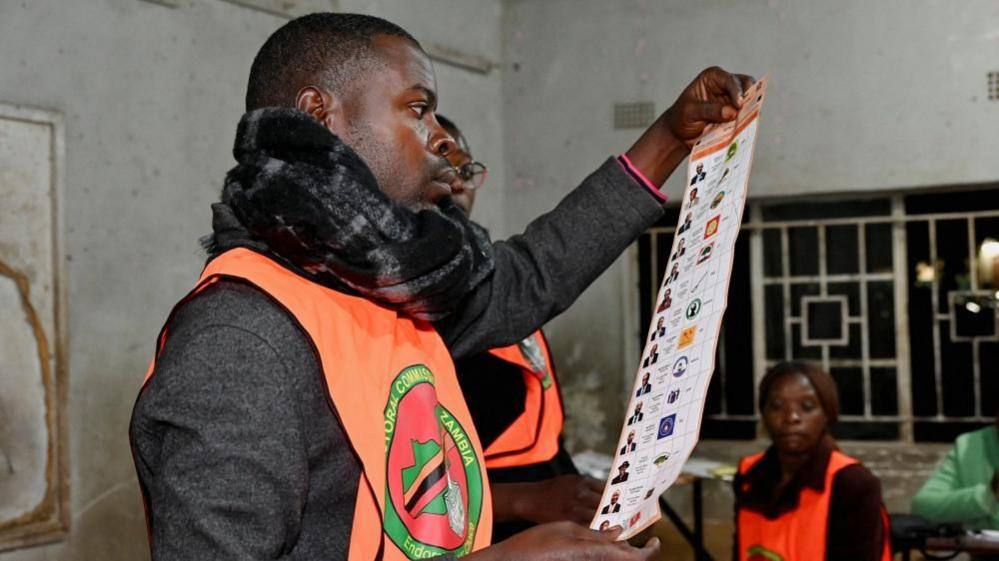
On Sunday, Brazil’s 210 million citizens turned out for the first round of the presidential vote, the most consequential national election the country has seen in more than a decade. The contest pits veteran left‑wing leader Luiz Inácio Lula da Silva, now 80, against the 45‑year‑old Flávio Bolsonaro, the youngest contender and son of former president Jair Bolsonaro.
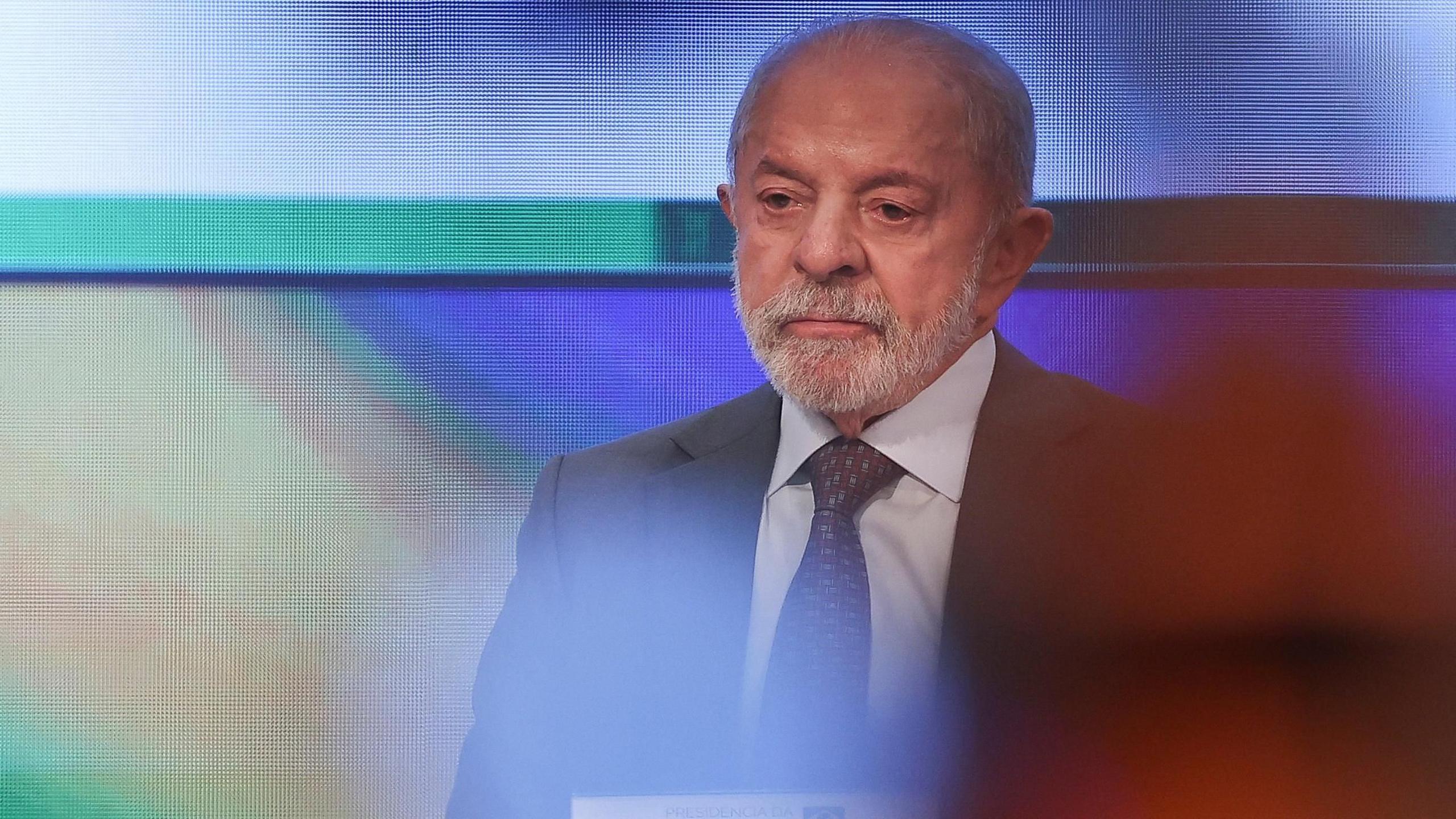
Lula, who governed the country from 2003 to 2011 and again from 2015 to 2018, seeks a fourth, non‑consecutive term. His platform focuses on social spending, ending inequality, and re‑engaging Brazil with global environmental commitments. Bolsonaro has been a through‑line figure in the populist wave that brought his father to power in 2018. The younger Bolsonaro’s campaign emphasizes a tougher stance on crime, a free‑market agenda, and a return to the nationalist rhetoric that has defined his father’s tenure.
The national result left neither candidate with an outright majority, producing a required runoff on 25 October. The next round will determine whether Brazil re‑enters the center‑left coalition that dominated the first half of the 21st century, or whether Bolsonaro and his family will cement a right‑wing grip on the country’s executive power. Political commentators warn that the next week of campaigning could be the fiercest in Brazil’s modern history, with both sides mobilising grassroots networks and turning to new media to sway undecided voters.
Analysts highlight that the election outcome will have ripple effects across South America and beyond. A Lula victory could support international cooperation on climate policy, while Bolsonaro’s win could shift the region’s approach to human rights and economic policy. The two‑candiate showdown underscores Brazil’s civic resilience and its voters’ willingness to decide the country’s future through democratic means.